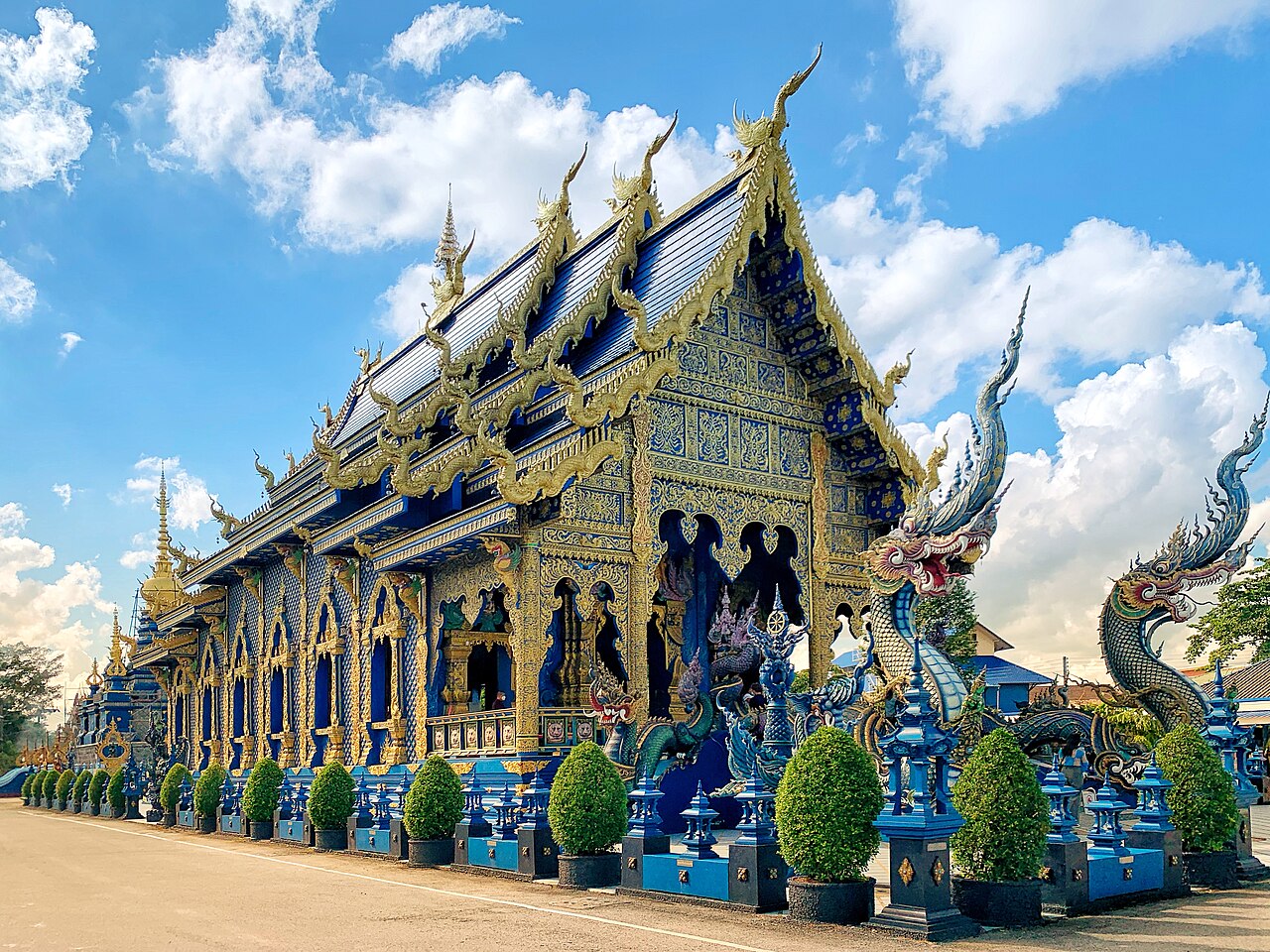
Three days is the length of stay that lets Chiang Rai breathe. The city centre is small, but the sights are scattered in every direction, so the best itineraries group them by compass point and keep the long drives for a single day each. This plan assumes you have a driver, a rental car or a taxi arranged for days two and three, and that you are happy to start early. Distances are driving times from the city, and they are approximate, so confirm them with your driver.
Day one: the city, the Blue Temple and a market evening
Start in the morning at Wat Rong Suea Ten, the Blue Temple, on the edge of town. Its deep blue interior and gold detailing are at their best in soft morning light, and a visit takes under an hour, so you are not committing much time. Continue to Wat Huai Pla Kang for a very different mood, a working temple with a tall stupa you can climb floor by floor, each level holding its own Buddha image. Have lunch in the city, rest through the hottest hours, then walk to the golden clock tower as the afternoon cools. From there the night bazaar is a few minutes away on foot, and it is the easiest place for a first dinner, with food stalls, souvenir shops and an evening stage. If your first day falls on a Saturday, swap the bazaar for the Saturday Walking Street on Thanalai Road, which opens in the late afternoon and runs into the night.
Day two: the White Temple, Baan Dam and Singha Park
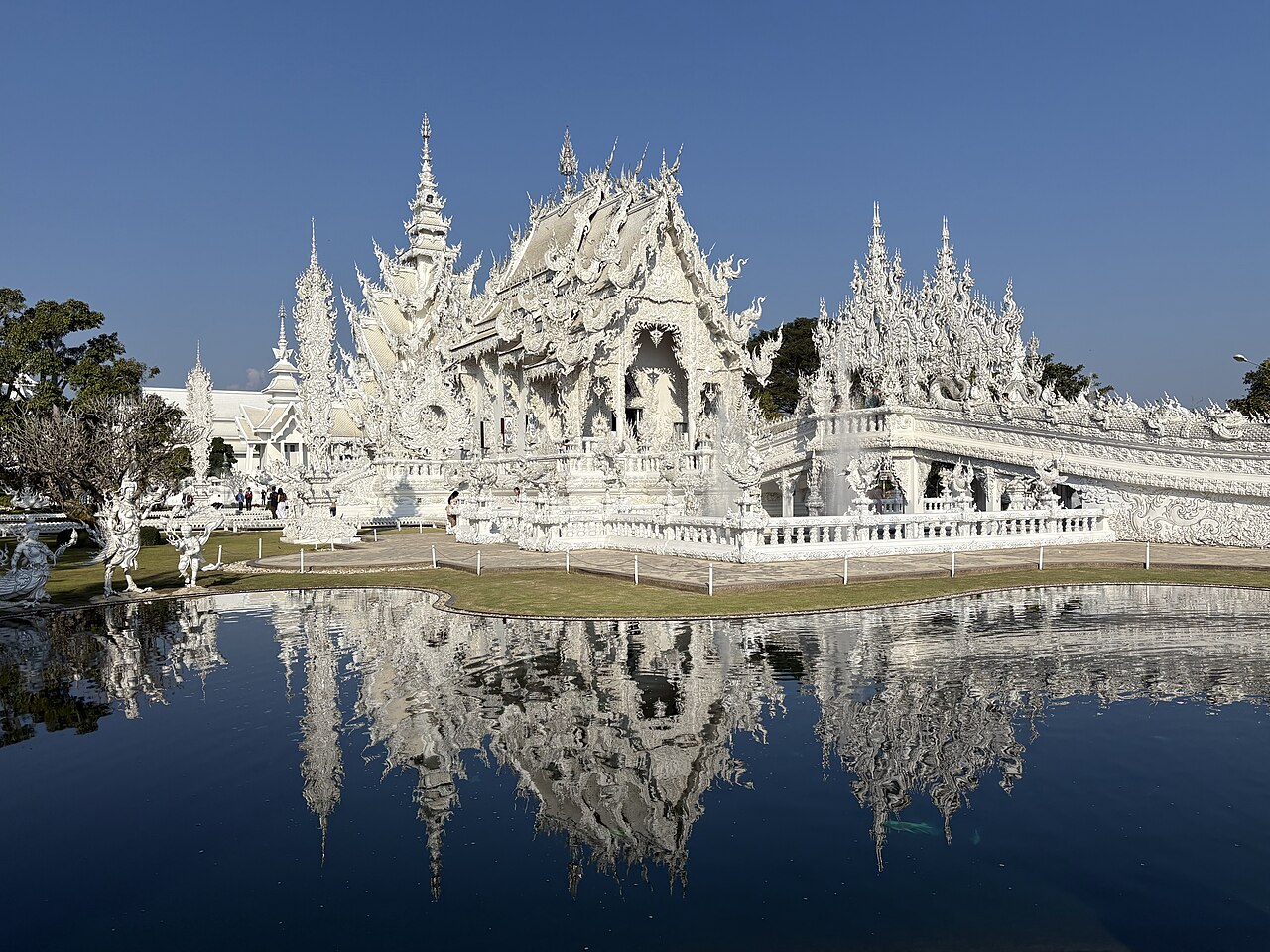
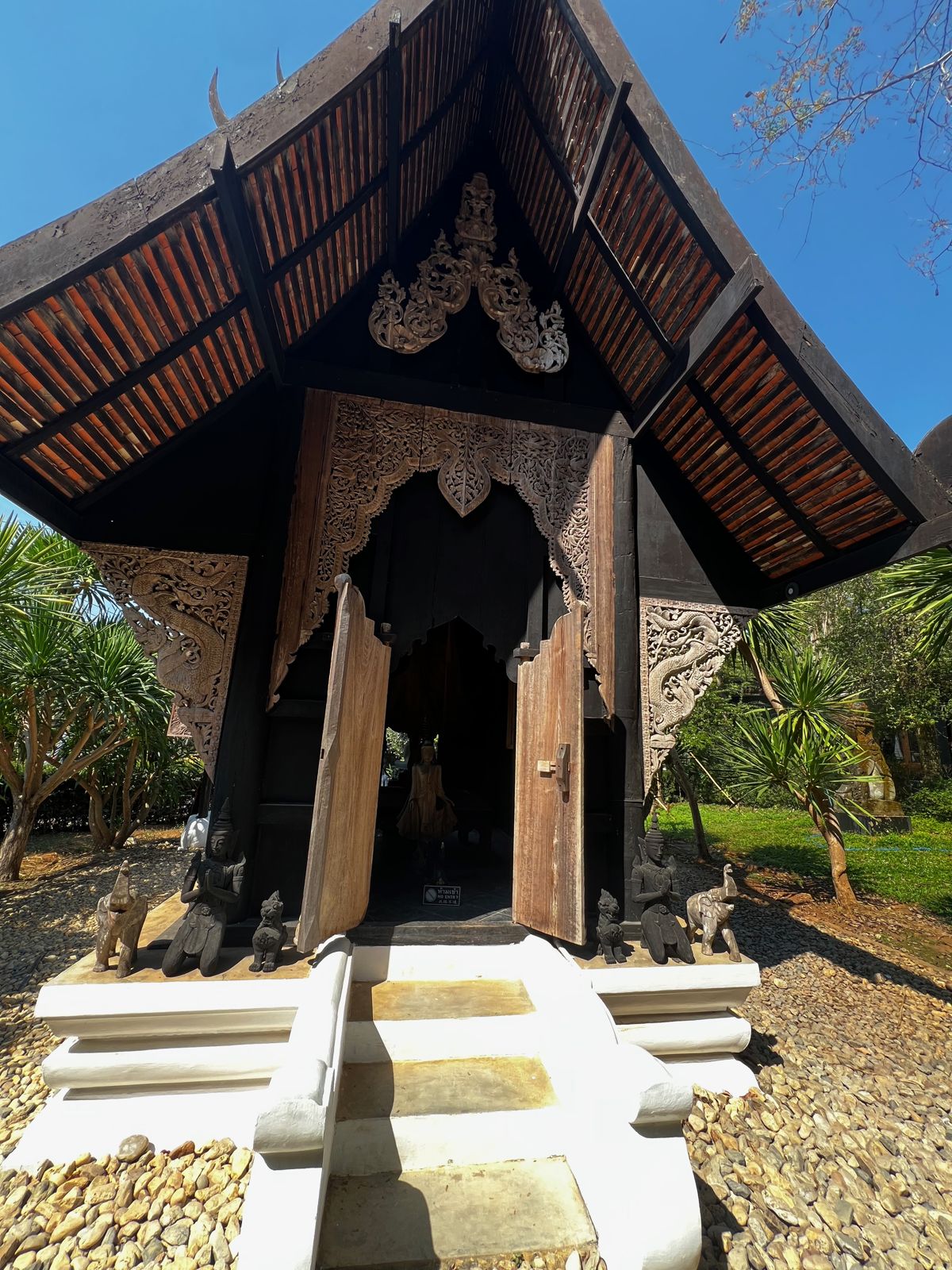
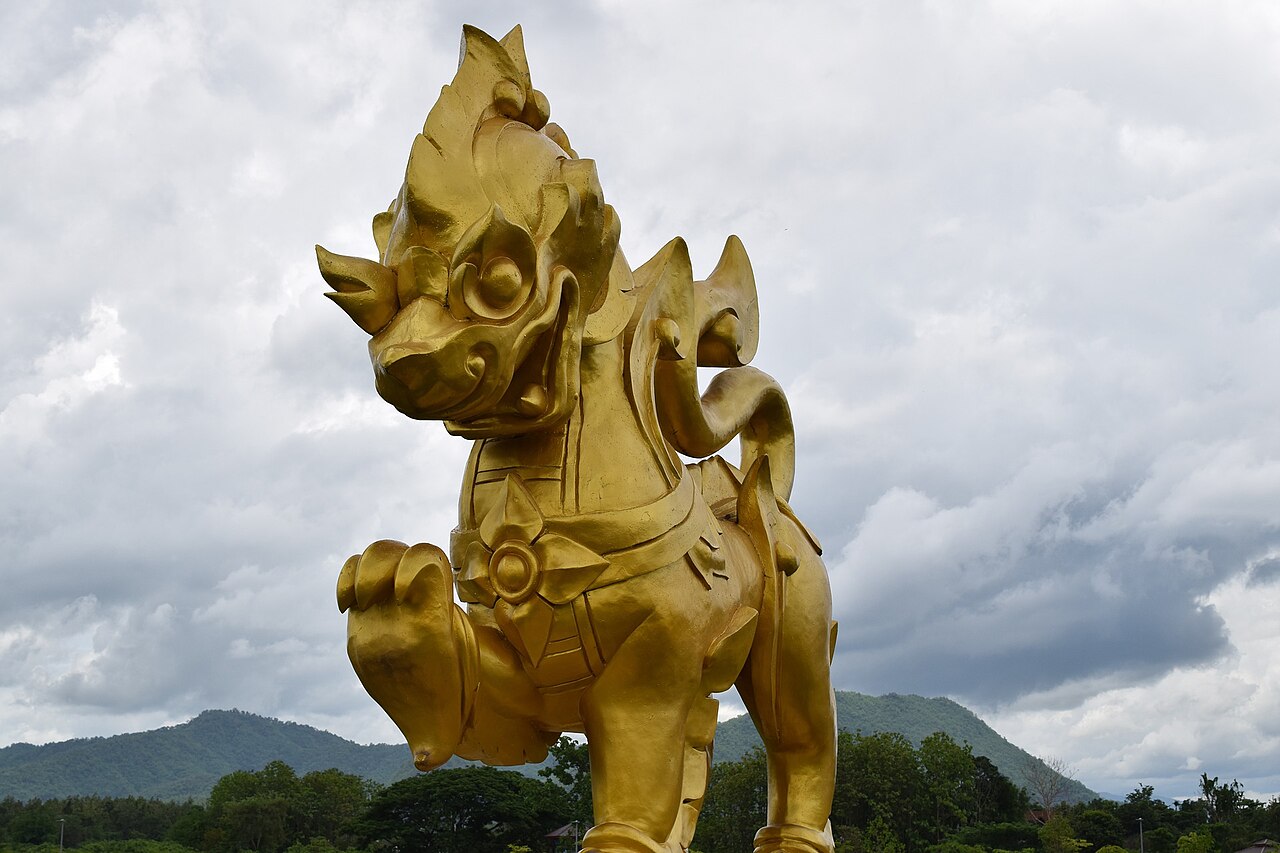
This is the artistic loop. Reach Wat Rong Khun, the White Temple, close to opening time. It is the most visited sight in the province, and the difference between an early arrival and a midday one is considerable, both for photographs and for the heat. Dress modestly, with shoulders and knees covered, and allow about an hour and a half to cross the bridge of reaching hands, see the main hall and wander the gardens and gallery. Next, head to Baan Dam, the Black House, a collection of dark wooden buildings filled with animal horns, skins and furniture, the life work of the artist Thawan Duchanee. It is the exact opposite of the White Temple in tone, which is why the two work so well on the same day. Finish with a long, slow afternoon at Singha Park, a huge farm with gardens, tram and bicycle routes, animals and a lakeside cafe. It is a gentle end to a day of art, and a good place to let children run.
Day three: choose the north or the mountains
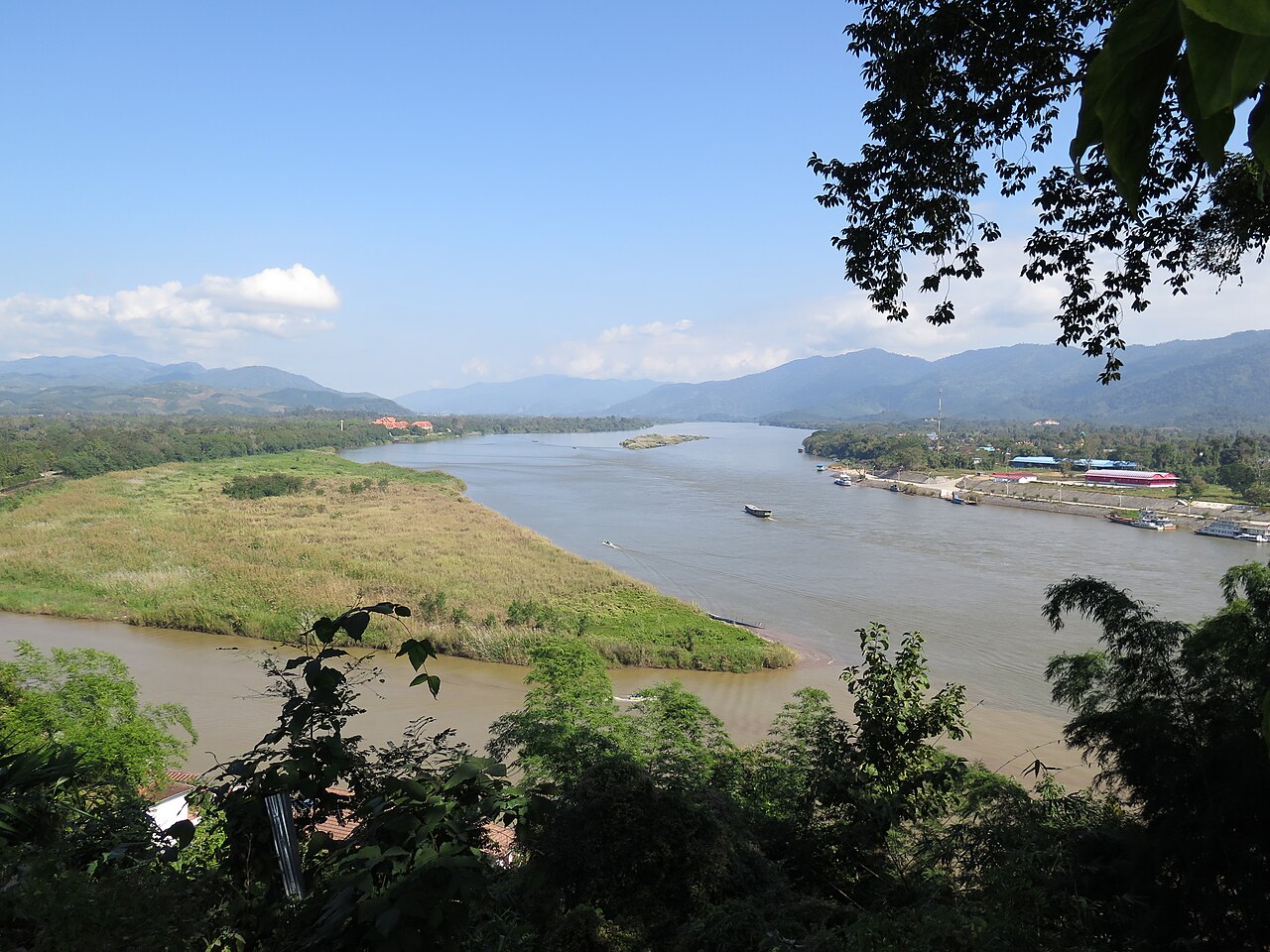
The final day needs a decision, because there is not enough time for both without rushing. The northern option heads to the Mekong. Stop at the Golden Triangle viewpoint at Sop Ruak, where Thailand, Laos and Myanmar meet at the river, then visit the Hall of Opium Museum, which explains the history of the opium trade in thoughtful detail. Remember that the museum is closed on Mondays. If you have energy left, continue to Mae Sai, Thailand's northernmost town, for the border market and the painted alleys, and add Tham Luang and the Emerald Pool if the story of the 2018 rescue interests you. The mountain option goes west and north-west to Choui Fong tea plantation for tea and views over the rows, then up to Doi Mae Salong, a hill village with a distinctive Chinese-influenced character, and, if time allows, Doi Tung, with its royal villa and the Mae Fah Luang Garden. Each mountain stop is a long drive, so be honest about how many you will actually enjoy.
Pacing tips
Start every day by about eight in the morning and plan lunch as a real break. Temples are quieter early, and the mountain roads are more pleasant before afternoon traffic. Keep small notes for entry fees, market food and donations. Agree the route, the finishing time and the price with a driver before you leave, and ask them to wait while you visit each sight rather than dropping you off.
If you have only two days
Do day one as written but drop Wat Huai Pla Kang, then run day two as the White Temple and Baan Dam in the morning, with a shortened trip to either Singha Park or the Golden Triangle viewpoint. If you have four days, add the second option for day three as its own day, so the north and the mountains each get a full, unhurried day.
Where to base yourself
For this plan, a hotel in the city centre or on the Kok riverside works best, because both put you within a short ride of the clock tower, the bazaar and the road out to the temples. Our where to stay guide compares the options, and a night at the Golden Triangle can replace one city night if you want a Mekong sunrise.