The Cinque Terre changes character with the seasons more than most Italian destinations. In summer it is hot, crowded and made for swimming. In spring and early autumn it is gentle and good for walking. In winter it is quiet, unpredictable and half asleep. The right time to visit depends on what you want from the trip, so this guide describes each season plainly rather than naming one perfect month.
Spring, March to May
Businesses begin reopening in March, and by April most hotels, restaurants and tours are running. Temperatures are mild, wildflowers cover the terraces and the paths are green. April and May are widely seen as the best months for hiking, with cooler days than summer and fewer people than July. The sea is still cold, though a quick dip is possible by late May. Easter can bring a spike in visitors, and spring rain can close sections of path, so keep a flexible plan and check the park trail map before you set out.
Early summer, June
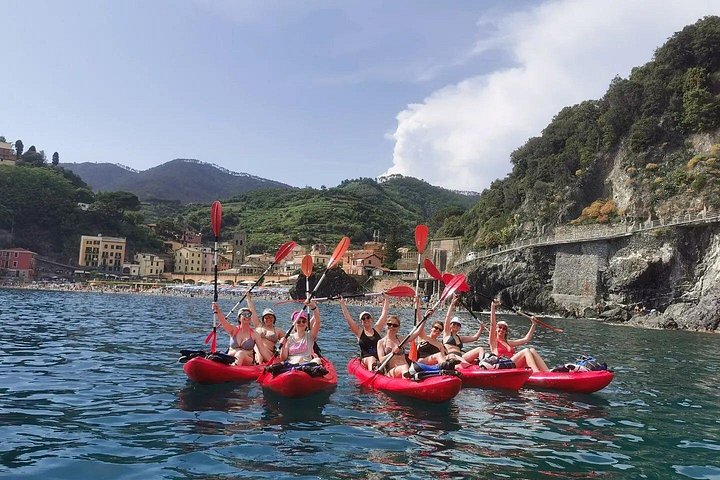
Mid-May to the end of June is the sweet spot for many travellers: warm weather, long days, boats and water activities running and crowds lighter than in high summer. By late June the heat can make the steep coastal path hard work, so walk early and plan the water for the afternoon. This is a good month for the kayak and snorkel trip, a hybrid boat tour and swimming off Monterosso.
High summer, July and August
The coast is at its busiest and hottest. Trains and trails are crowded, accommodation costs the most and village streets are packed in the middle of the day. It is the best time for beaches, swimming and the sea, and evenings are lively with outdoor dining and local festivals, but it is the hardest time to walk. If you come now, hike at first light or in the evening, spend the heat of the day in the water and book timed tickets such as the Via dell'Amore well ahead.
Early autumn, September
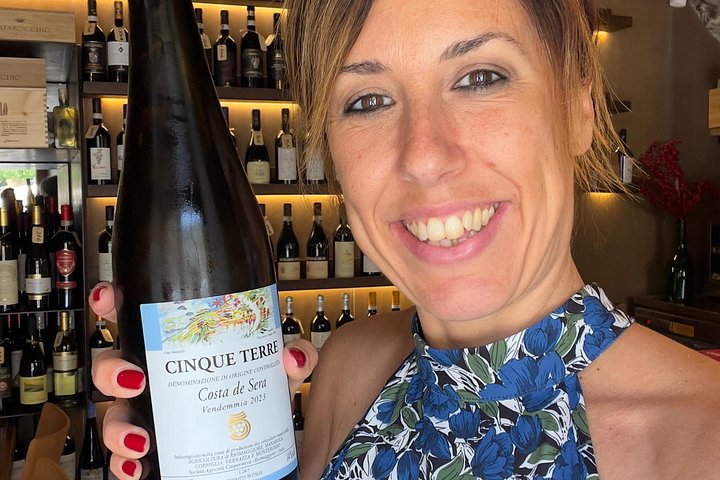
September is a favourite among regulars. The sea is still warm from the summer, the days are cooler than August and the crowds thin gradually. Early September is good for walking, and the grape harvest on the terraces gives the villages a working rhythm. Food and wine experiences are at their best. Storms can arrive late in the month, so keep a rain plan.
Late autumn, October and November
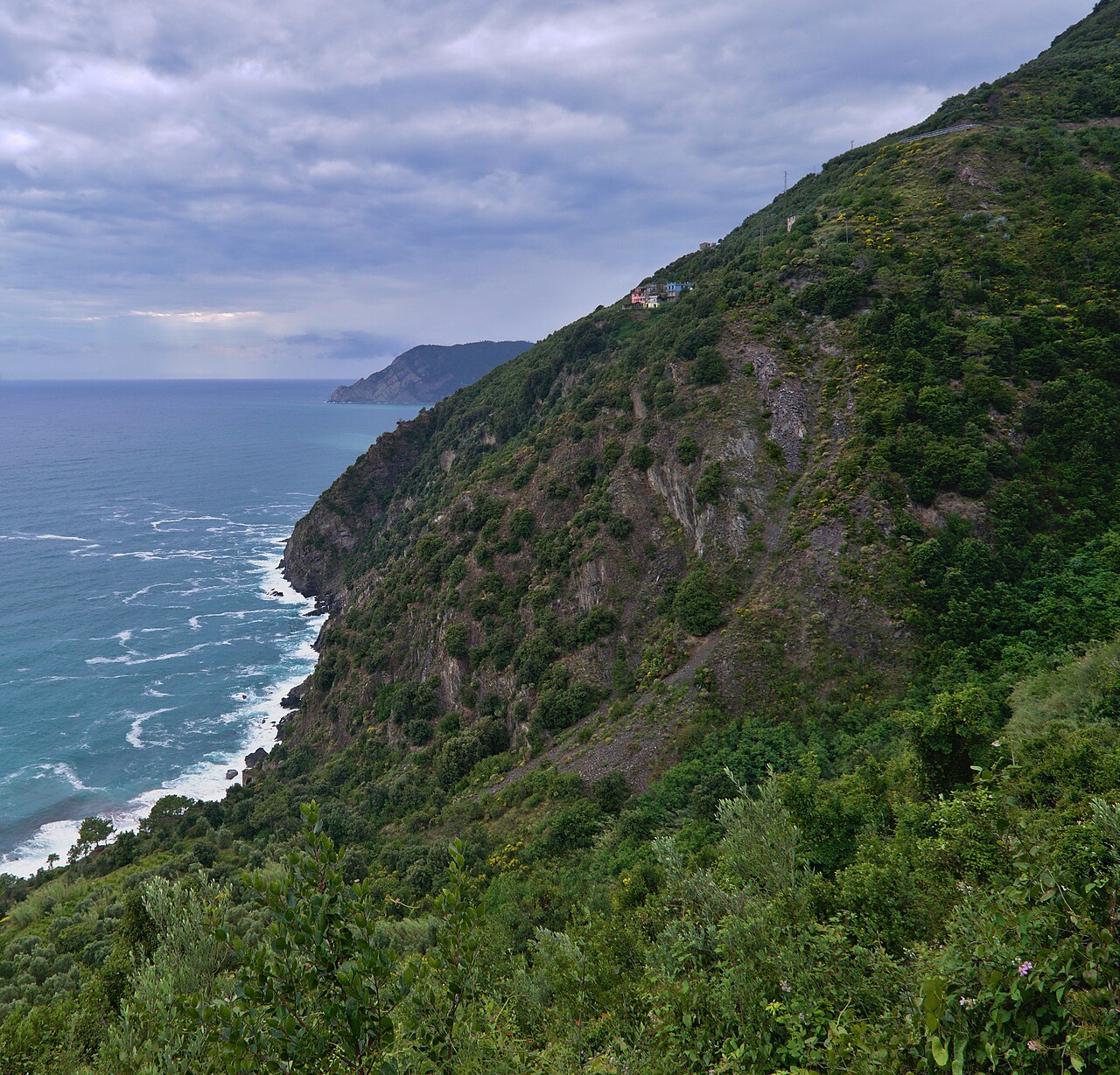
This is the wet season. Heavy rain and storms can arrive at any time, paths can close for safety after landslides and the cliff walks may be shut or restricted. Boats thin out, many ferry services finish in early November and some hotels and cafes start closing for the winter. On the other hand, the villages are quiet, the light is soft and the lemons ripen. Choose a base with a good choice of restaurants, such as La Spezia or Monterosso, and plan for indoor activities such as a wine tasting, a pesto class or a food tour.
Winter, December to February
Winter is cold but rarely freezing, and clear days can be lovely for walking, though trails are fragile and often close for repair. Swimming and boat trips are for the very brave, and a good number of restaurants and shops are closed, some museums too. December brings Christmas lights and markets, and some sunny weekends can still be busy. Winter suits travellers who want solitude and low prices, and who are happy to use La Spezia or Levanto as a livelier base and visit the villages by train.
Choosing by priority
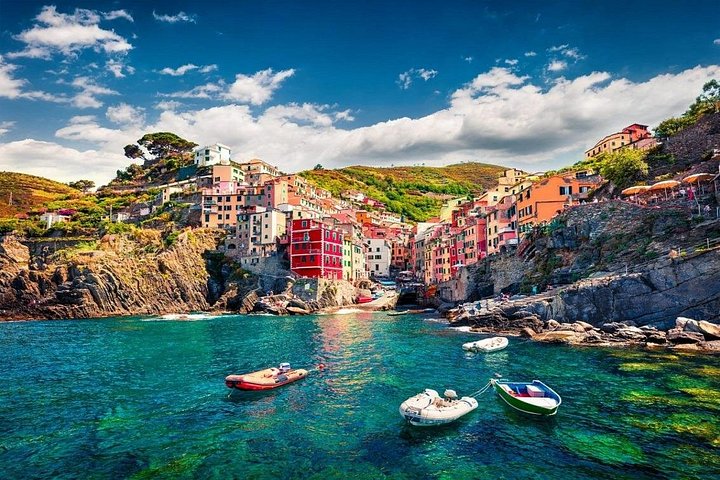
For walking, aim for April, May and early to mid-June, or September. For swimming and boats, choose June to early September. For crowds and prices, shoulder months such as late April, May and late September give the best balance, and winter gives the lowest costs. For food and wine, any season works, with the best selection from spring to autumn. For photography, the early and late light in any month beats midday.
Whatever the month
Check the weather forecast and the park trail map the day before, carry a waterproof layer, wear shoes with good grip and buy your train and card tickets online to skip queues. Keep one indoor option in your back pocket for every day, since sea and cliffs set their own timetable.