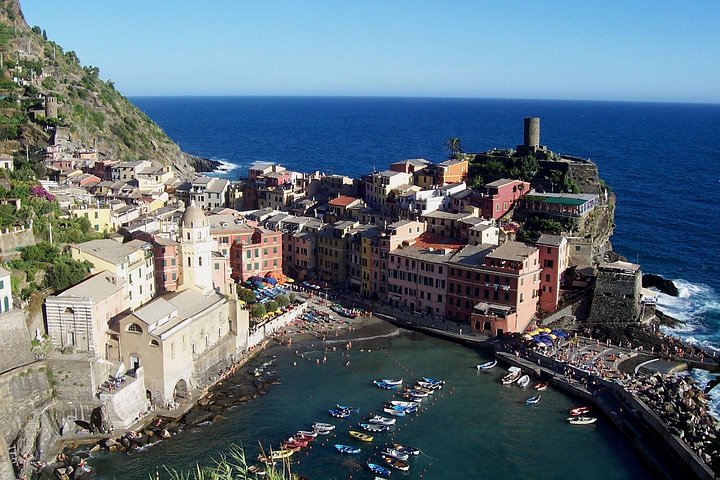
The food of the Cinque Terre is the food of Liguria, shaped by steep land and the sea. There is little flat ground, so cooking leans on what grows on terraces and what comes out of the water: basil, olive oil, lemons, grapes and anchovies. The result is simple, salty, herbal and rarely heavy. You do not need an elaborate plan to eat well here, but a little knowledge of what to order, and when, makes a big difference, especially in the villages where tourist menus can be uninspiring.
Pesto and trofie
Liguria is the birthplace of pesto, the sauce of basil, pine nuts, garlic, hard cheese and olive oil, ground traditionally in a marble mortar. It is served in the Cinque Terre on trofie, a short twisted pasta, and the combination is the dish to try first. The sauce is bright and green, never cooked, and the best versions taste of basil rather than garlic. A hands-on pesto class in Vernazza lets you make it yourself in the mortar, which is a fun and filling lunch.
Anchovies
The anchovy is the fish of the coast, and Monterosso in particular is associated with it. You will meet it fresh, marinated in lemon, baked with herbs, lightly fried, or preserved in salt and oil in jars. Vernazza is known for a baked tart of anchovies, potatoes and tomatoes. If you think you dislike anchovies, try them fresh and lemony before you decide. A paper cone of fritto misto, fried squid, prawns and anchovies, is the classic harbour snack and the cheapest way to eat seafood by the water.
Focaccia
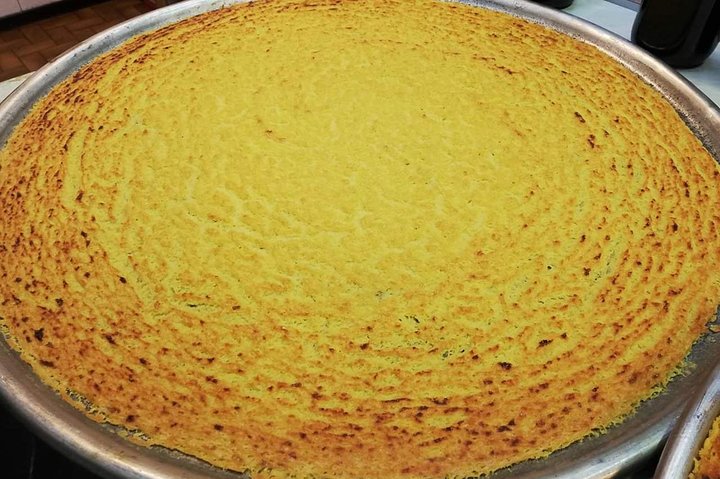
Ligurian focaccia is soft, oily and salty, sold by weight in bakeries and eaten for breakfast, as a snack or alongside a meal. Plain is the benchmark, but you will also find versions with onion, olives, tomato or cheese. It is the best way to fuel a walk and a sensible rain-day snack. Buy it in the morning when it is freshest, and keep some in your bag for the trail.
Seafood and the gulf
Spaghetti with clams, stuffed mussels, grilled fish and seafood risotto appear on most harbour menus. Stuffed mussels are especially associated with La Spezia. Prices for fresh fish are usually given by weight, so check before you order a whole fish. In quieter months menus shrink, and the daily catch is the dish to ask about.
Lemons
Lemons grow on the terraces above Monterosso and Riomaggiore, and they appear in everything from marinades to desserts. Limoncino, a lemon liqueur served cold after a meal, is the local digestif, and a soft limoncino sponge cake is easy to find. A lemon tour in Vernazza is a gentle way to see the groves and taste the products.
Wine and Sciacchetrà
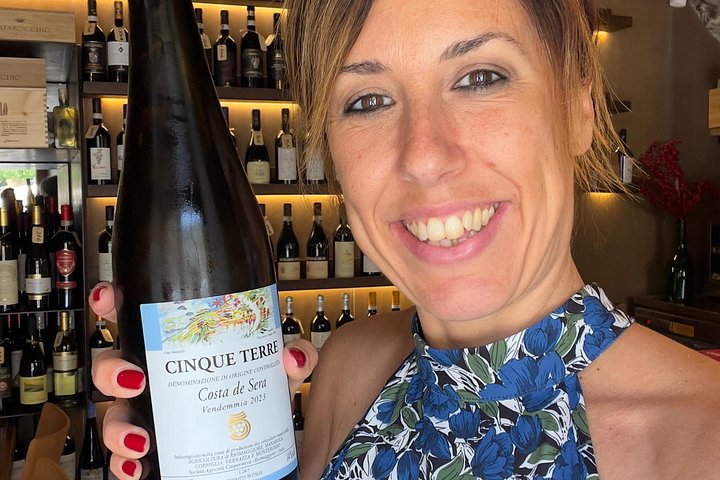
The vineyards climb steeply from near the sea, held by dry stone walls, and everything is done by hand. The whites are crisp, dry and mineral, built on local grapes such as Bosco, Albarola and Vermentino, and they suit anchovies and fried fish. Sciacchetrà is the rarity, a golden sweet wine made from grapes dried on racks before pressing, made in small quantities and sipped rather than drunk by the glass. Look for it with a jam tart or mild cheese. A seated tasting in Manarola is the most comfortable way to learn the differences, and it works in any weather. Ordering the house white by the quarter or half litre is the budget-friendly alternative.
Where to eat well
Monterosso has the widest range of simple restaurants, bakeries and gelaterie. Vernazza and Manarola are best for harbour terraces, though prices reflect the view. Riomaggiore is good for casual seafood and takeaway. La Spezia, the city at the end of the line, is the best place for value, with a lively market and neighbourhood restaurants, and a guided food tour there is a good way to taste local dishes in one outing. As a rule, be wary of menus with many languages and photographs, look for short menus that change, and watch where locals queue.
Practical tips
Meal times follow Italian habits, with lunch from around noon and dinner often after seven. Many restaurants close one day a week and some shut for part of winter, so check opening days. A cover charge for bread is common and is not a scam. Tap water is drinkable and refill fountains exist, so you rarely need to buy bottles. Finally, pair eating with walking: the best meal of the trip is often the plate you reach at the end of a trail.