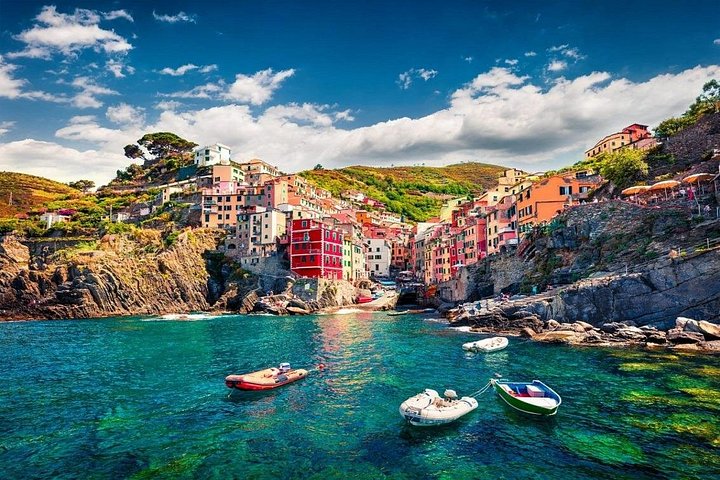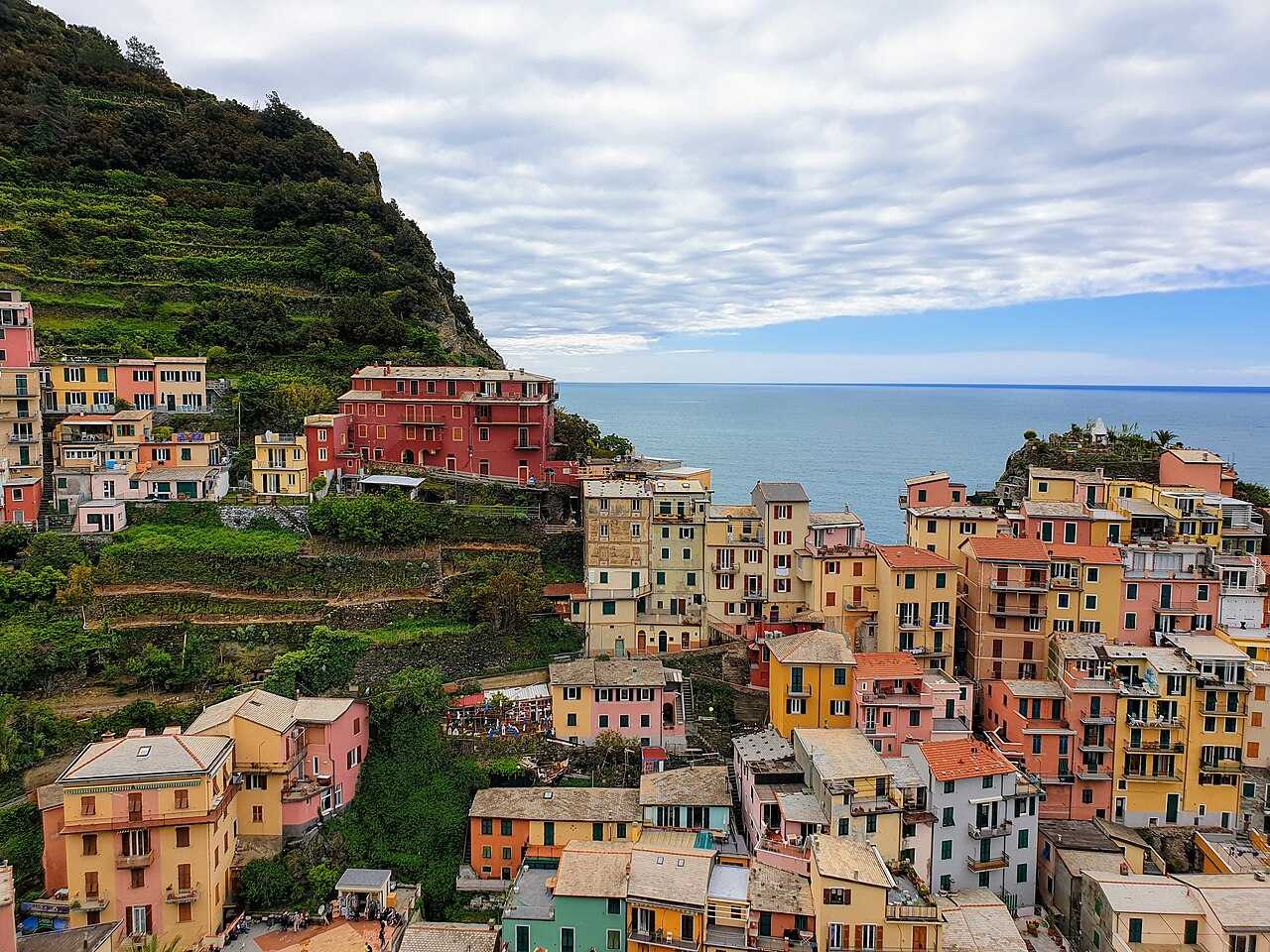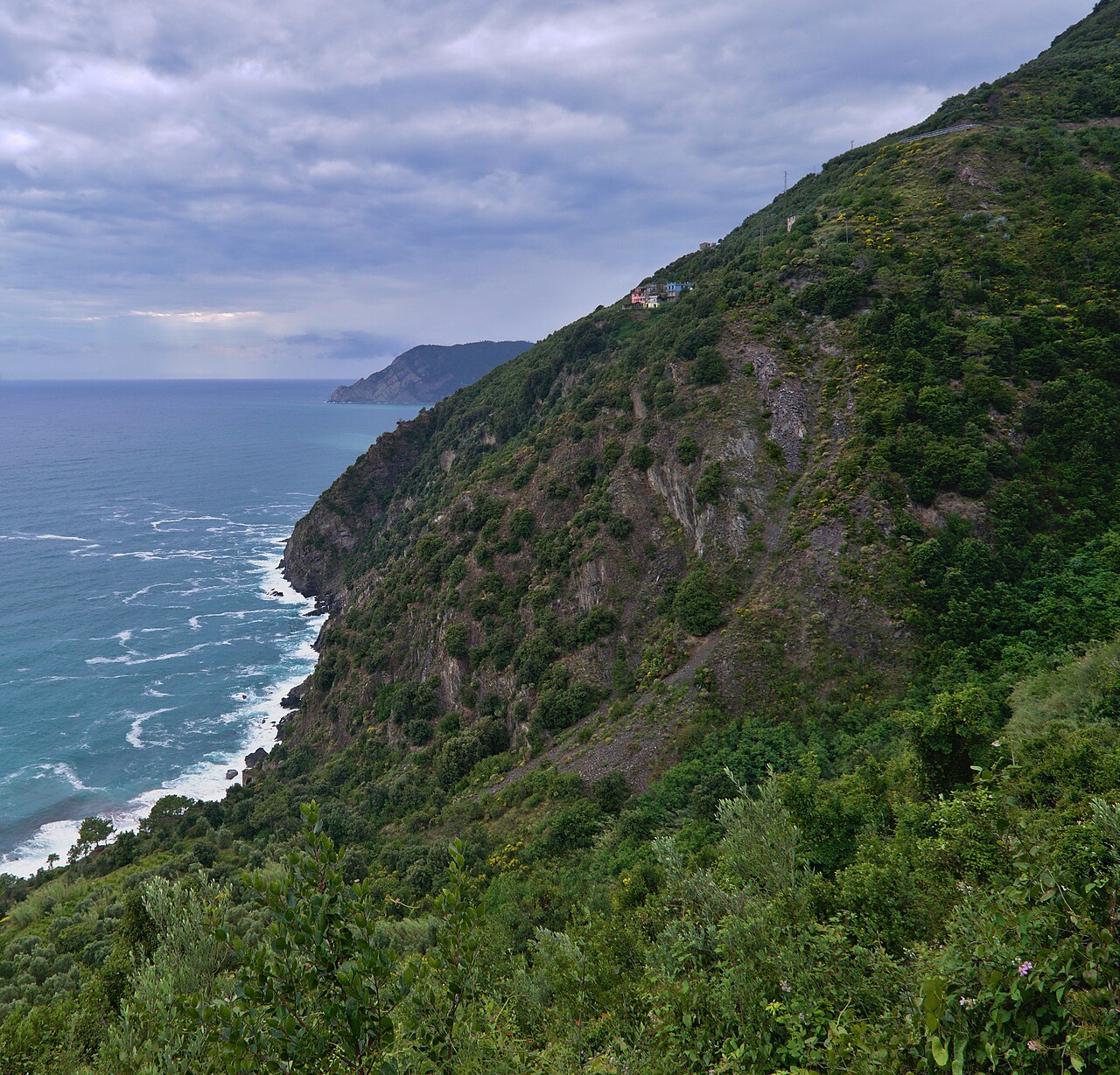
Three days is the length at which the Cinque Terre stops feeling like a checklist. You can see all five villages in a single rushed day, but you will remember queues at the station instead of the place. With three days you can give each village a different job: a swimming and beach village, a harbour village for dinner, a wine village for a tasting, and a quiet village for doing nothing. This plan assumes you sleep on the coast or in La Spezia, use the regional train, and keep a rain plan for each day, because this is a landscape of steps, cliff paths and sea weather.
Before you start
Buy the park card that suits you, the Trekking Card if you mainly walk or the Train Card if you plan several train hops a day, and keep it somewhere you can reach it. Pack shoes with real grip, a small bag, water and a light waterproof. Villages are steep and stepped, so luggage is a nuisance, and the best use of arrival day is to drop your bag and walk. Check the park trail map the morning you plan to hike, because sections close after storms and reopen after inspection.
Day one: Monterosso and the walk to Vernazza
Start in Monterosso al Mare, the largest village and the only one with a broad beach. Have coffee and focaccia in the old town, look at the striped church of San Giovanni Battista, then take the Blue Trail toward Vernazza. The walk climbs through terraces and lemon groves, takes roughly two hours at an easy pace and is the most rewarding of the coastal sections for first-timers. Arrive in Vernazza by lunchtime, eat by the harbour, and spend the afternoon on its castle tower and church terrace before taking the train back. If the path is closed or the rain is heavy, ride the train to Vernazza instead and spend your energy on the pesto class, which is indoors and hands-on. Monterosso's seafront is a good place for an evening stroll and dinner.
Day two: the sea and the southern villages
Use the morning for the water, because the sea is calmer early in the day. A small-group boat tour or a guided kayak and snorkel trip from Monterosso shows you the cliffs and coves you cannot reach on foot, and both depend on season and weather, so treat them as warm-season plans and book a date with some flexibility. In the afternoon take the train south to Manarola, walk up through the vineyards to the classic viewpoint and settle into a wine tasting with a glass of Sciacchetrà, the sweet passito of the coast. If you hold a timed ticket for the Via dell'Amore, Riomaggiore and the cliff path make a pleasant late afternoon. On a wet day, swap the boat for the tasting and a long lunch, which turns a grey day into a good one.
Day three: Portovenere and the Gulf of Poets
The last day is the quietest. Portovenere sits at the tip of the gulf beyond La Spezia, reached by bus or boat from the city in the warm months. It has a pastel harbour front, the black-and-white church of San Pietro on its rock, a castle above the town and a fine view across to the island of Palmaria. Walk the old street, climb to the church, then decide: a boat trip around the three islands of Palmaria, Tino and Tinetto if the season allows, or a slow lunch and a coastal path on Palmaria. Return to La Spezia for dinner and, if you have time, a food tour or an evening in the old town. Portovenere is also the place to be if you want a calm last night.
How to adjust the plan
If you only have two days, combine the first and second days and keep Portovenere for a half day. If you want more walking, add the higher paths above the villages, which are quieter than the coastal trail and often free of crowds. If you are travelling with children, shorten the Vernazza walk, use the Monterosso beach and add the horse ride or the lemon tour instead of the long trail. Couples will like the wine tasting and a sunset at the Manarola viewpoint.
Where to base yourself
Monterosso suits families and anyone with luggage, Riomaggiore is the easiest start for the cliff path, La Spezia offers the widest choice of hotels, restaurants and trains, and Portovenere is the calm choice if you do not mind the extra transfer. Any of them works for this plan, as long as you are near a station or a bus stop.
Practical notes
Trains between villages take only a few minutes but can be crowded in summer, and the last evening services are fewer than you expect, so check the timetable before dinner. Many restaurants close one day a week, and some close for part of winter. Carry some cash for small cafes and bakeries, keep your card within reach for trail checkpoints and give yourself a margin on the day you leave, because stairs and station queues take longer than the map suggests.