Cork has a mild, wet, changeable maritime climate, which means there is no truly bad season, only different trade-offs. The city's best sights are indoors or close to cover, and the day trips reward good light, so the best time depends on what you want from the trip.
Summer: the long days
June to August brings the longest daylight, with light that lasts well into the evening, and the warmest weather you can expect in Ireland, which is pleasant rather than hot. This is the season for gardens at Blarney, outdoor tables in Kinsale, wildlife at Fota and Spike Island tours on a fuller ferry schedule. It is also the busiest and most expensive time, so reserve hotels, distillery tours and food walks well ahead and arrive early at Blarney. Rain can fall on any day, so a light waterproof jacket is still essential.
Spring: gardens and quiet roads
March to May is a pleasant time for gardens and walking, with lengthening days, spring flowers at Blarney and Fota and thinner crowds than in summer. Some attractions run reduced schedules early in the season, so check opening times before you commit to a day trip. Spring is a good moment for Kinsale and for the harbour towns, with a better chance of a table at a good restaurant.
Autumn: food and colour
September and October are a favourite of locals. Crowds ease, the woodland at Blarney turns colour, and the food and drink calendar is busy with festivals and harvest menus. Autumn is a fine season for the English Market, the whiskey tour at Midleton and a long lunch in Kinsale. Daylight shortens quickly through the season, so plan outdoor sights for the middle of the day.
Winter: the quiet season
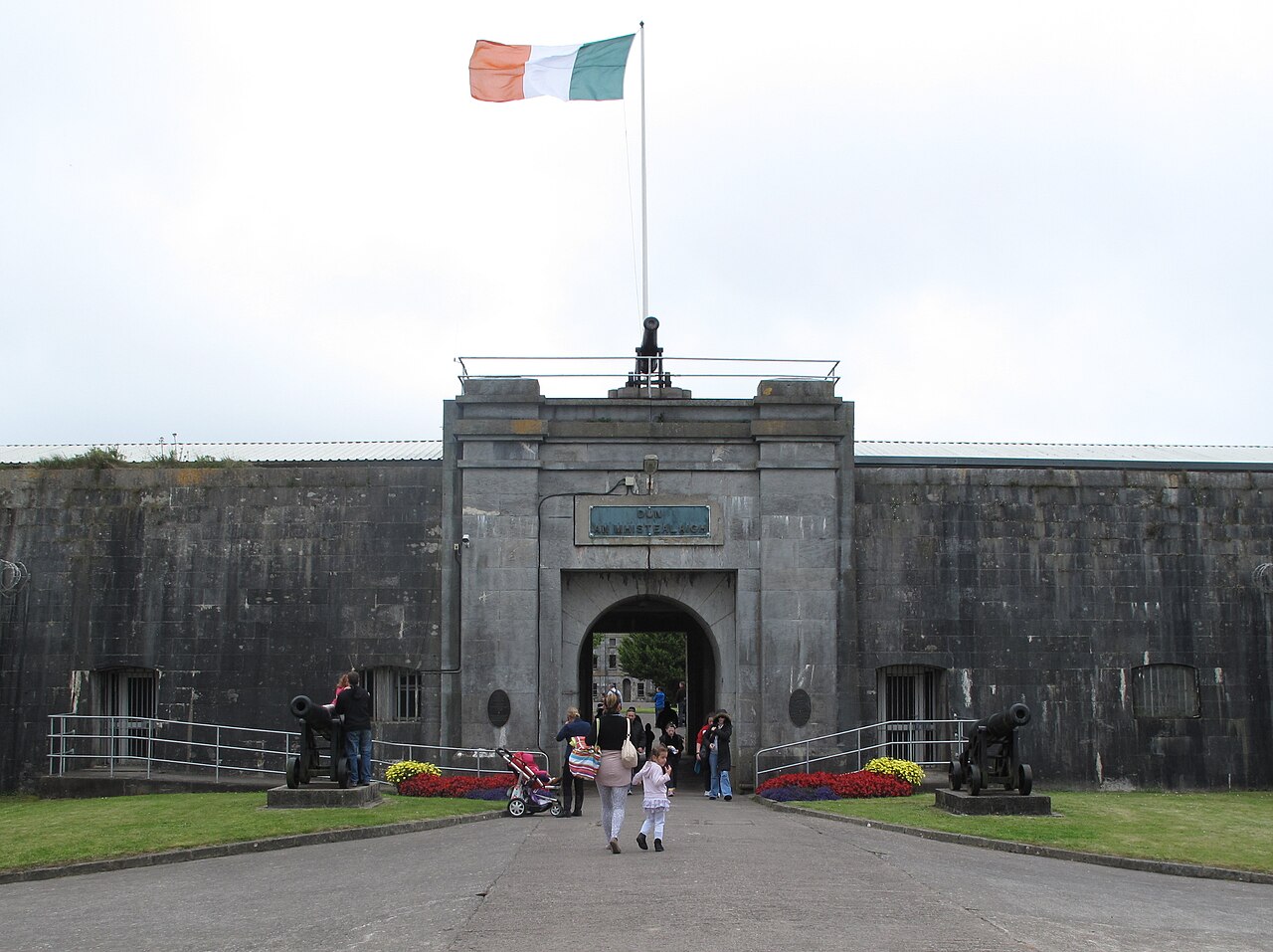
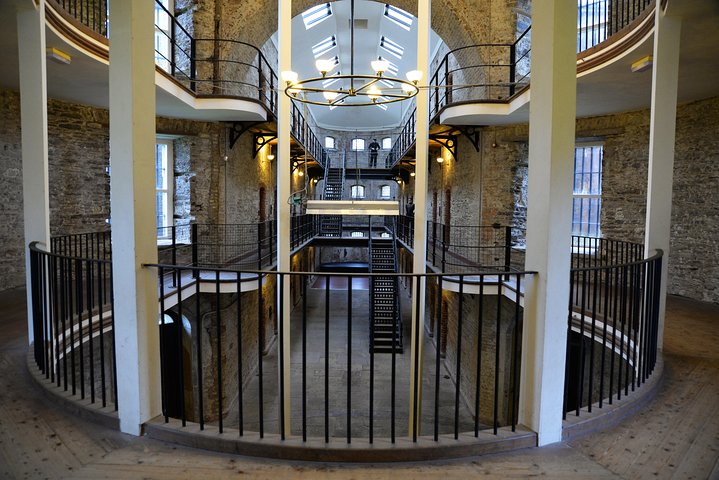
November to February is the cheapest and calmest time to visit. The city is lively and cosy, with warm pubs, open fires and live music, and hotels are good value. The trade-offs are short days and a higher chance of rain, and some sights shorten their hours. Spike Island runs fewer tours, Fota keeps an earlier last entry, and the Sunday service schedule at St Fin Barre's limits visiting that day. Build your plan around the market, the cathedral, the Gaol and the Titanic Experience, which work well in poor weather, and treat the outdoor sights as bonuses.
Rain and how to plan around it
Showers pass quickly, and most Cork days contain some dry spells. Keep a flexible plan: do the indoor city sights on the wet day and save Blarney, Kinsale and Charles Fort for the brighter forecast. The Gaol, the market and the cathedral are all well suited to a rainy morning. A waterproof coat is more useful than an umbrella, because the harbour and the fort can be windy.
Daylight and timing
In midsummer it stays light very late, which stretches a day trip comfortably into the evening. In midwinter it gets dark in the late afternoon, so schedule outdoor sights early and leave the evening for dinner. The last entry times at outdoor attractions are often earlier than closing times, so look at them before you set out.
Festivals
Cork has a busy cultural calendar, with film, jazz, folk, food and arts events spread across the year, and several are held in autumn. They fill hotels, so if you want to attend, reserve early, and if you want a quiet visit, check the dates before booking. The English Market and the pubs are lively all year, with or without a festival.
Crowds and prices
The busiest weeks are the summer school holidays and the bank holiday weekends, when Blarney queues lengthen, Kinsale restaurants fill and hotel rates climb. Shoulder months give you most of the benefit of summer with shorter waits, and midweek visits are calmer than weekends at every sight in this guide. If your dates are fixed to a busy period, reserve accommodation first, then tours, and start every sightseeing day early.
So when should you go?
For the best balance of weather, daylight and open sights, choose late spring or early autumn. For gardens, long evenings and the fullest ferry timetable, choose summer. For value and cosy pubs, choose winter and accept the short days. Whichever season you pick, pack layers, a waterproof coat and comfortable shoes, because Cork's weather can show you all four seasons in a single afternoon.