Cork calls itself the food capital of Ireland, and it makes the case with a market that has traded for more than two centuries, a coastline that lands excellent fish, and a county of dairy farms, smokehouses and small producers. It is a good city to arrive hungry in.
Start at the English Market
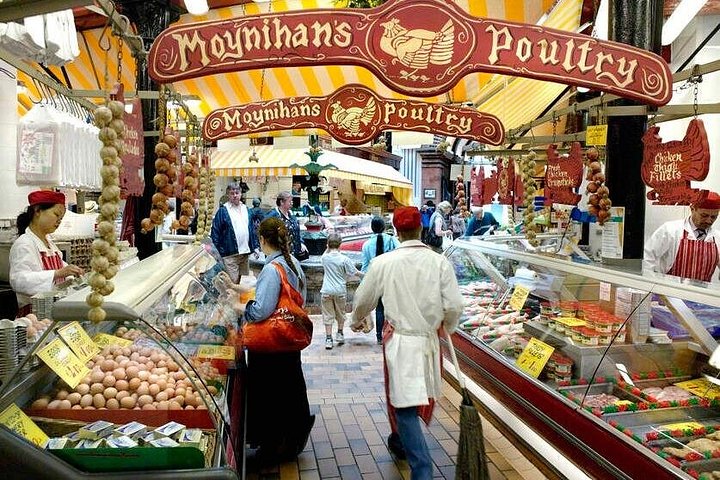
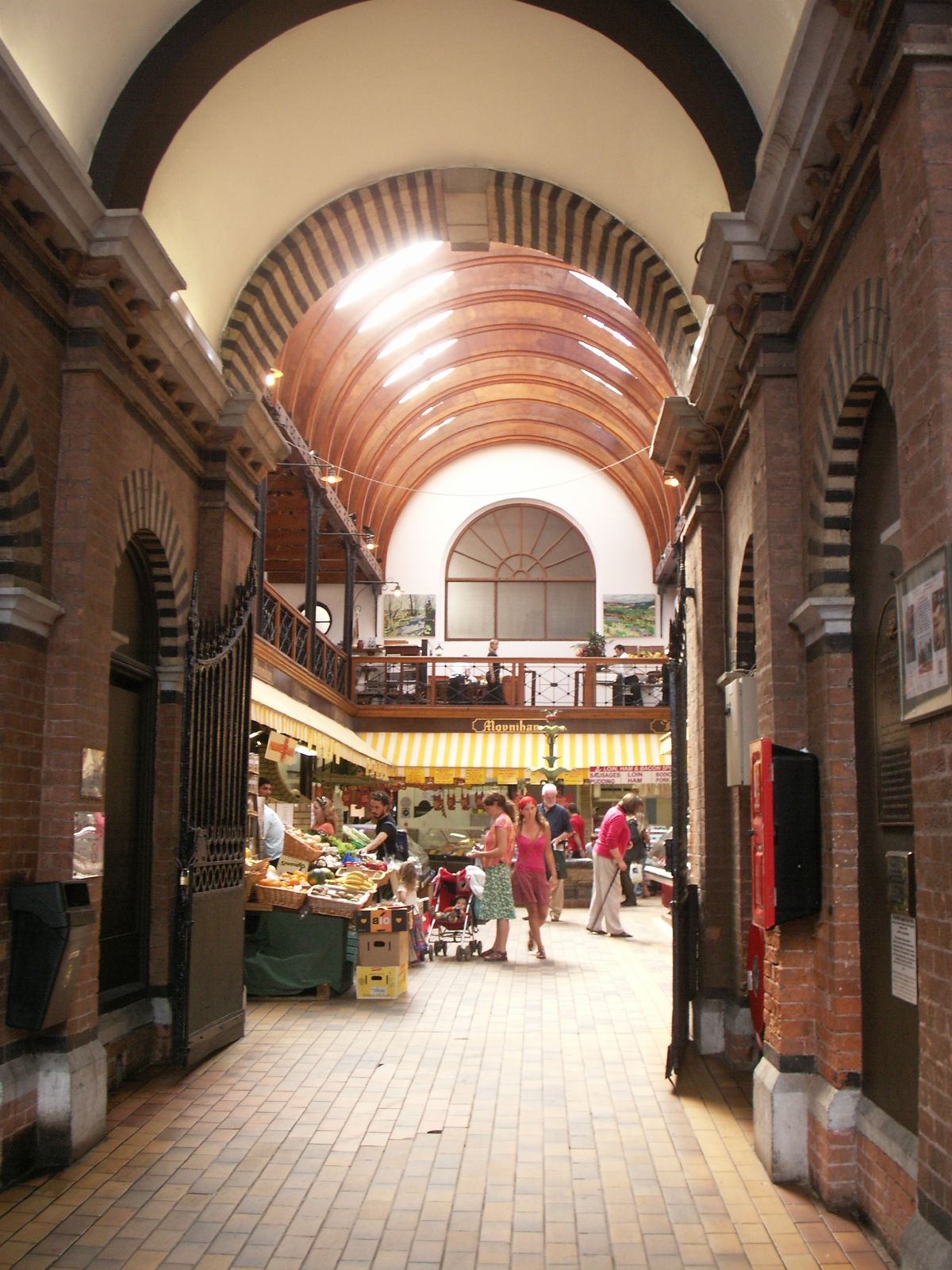
Everything in Cork's food story passes through the covered market in the centre of the city. Fishmongers sell what the boats landed along the south coast, butchers sell the classics of the city, bakers and cheesemongers sell the produce of West Cork and Kerry, and a cafe gallery above the floor serves lunch. Entry is free, and you pay only for what you eat. It is closed on Sundays, so plan a market meal for another day. Walk the whole market once before you buy, then return to the stalls that caught your eye.
Dishes to look for
Spiced beef is a Cork speciality, cured with spices and traditionally served around Christmas, though you can find it in the market throughout the year. Drisheen is the local blood pudding, milder and softer than the black pudding found elsewhere, and it is often paired with tripe, an acquired taste. Crubeens, boiled pigs trotters, are another old city dish. For something gentler, look for smoked salmon and other smoked fish, farmhouse cheeses from the surrounding farms, soda bread with good Irish butter, and a bowl of seafood chowder. Ask a stallholder what is best that week, and most will be glad to offer a taste.
Seafood in Kinsale
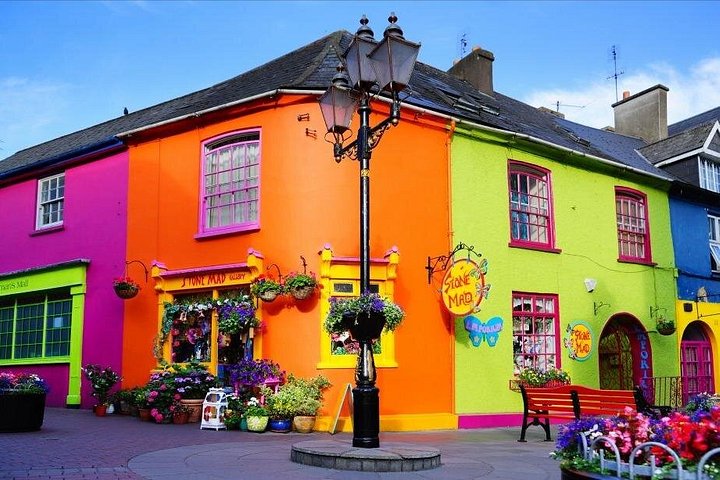
Kinsale is the county's seafood town, and its harbour restaurants and small cafes lean on the day's catch. A guided Kinsale food walk is an easy way to sample several places in one afternoon and to hear the story of the town, while a long dinner by the harbour is the other classic option. In winter many restaurants open for evenings only, and in summer they fill early, so reserve ahead in both seasons.
Food walks in the city
If you like context with your lunch, join a guided culinary tour of Cork. These walks link the market with chocolate shops, bakeries, traditional pubs and the stories of the streets between them, and they take around three hours. They are a good first-morning activity because the guide will tell you what to go back for. Come with an appetite and wear comfortable shoes.
Stout and the traditional pub
Cork's drink is stout, and the city has a fierce loyalty to its own local brews over the Dublin pints that are served elsewhere. Ask the bartender for the local stout and let it settle. Traditional pubs are the best place to try it, with snugs, open fires and often live music in the evening. Pubs are friendly places for solo visitors, and a quiet word with the bartender is the best way to find the music nights. Irish pubs may close earlier than you expect on some nights, and children are usually welcome only in the early part of the evening.
Whiskey at Midleton
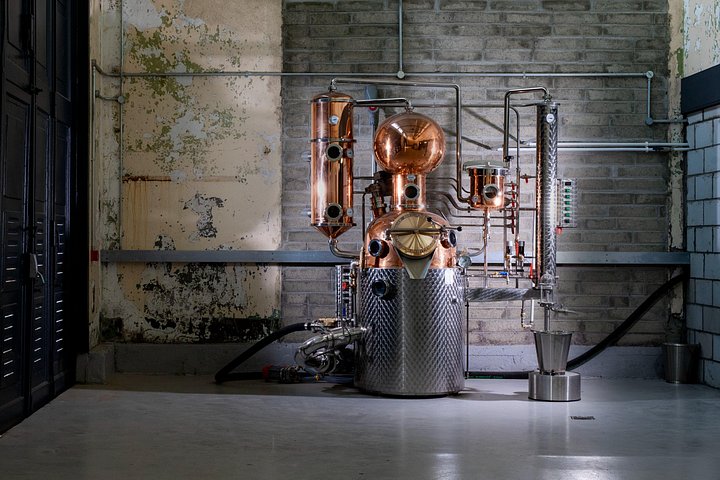
The Jameson Distillery at Midleton, a short train and bus journey from the city, is the home of one of Ireland's best-known whiskeys. The tour walks you through the old distillery buildings, the huge copper pot stills and the warehouses, and ends in a tasting. It is for adults, and a designated driver or a train and taxi plan makes the day easier. Book ahead for weekends and summer.
Coffee, bakeries and sweets
Cork has a lively coffee scene and plenty of small bakeries, especially around the centre and the Victorian Quarter, so a mid-morning stop is always easy. If you are buying gifts, the market is the best place for chocolate, cheese, bread and preserves that travel well, and many stalls will vacuum-pack cheese and smoked fish for the journey home.
Practical notes
Tipping is customary in restaurants but not expected in pubs, and a service charge on a bill may already cover it. Cork is on the euro. If you have dietary needs, tell the kitchen when you reserve, because small restaurants plan their menus around the day's supplies. And if you only have time for one meal, make it lunch at the market.