Three days is the length of stay that lets Cork show you all of its character: a compact city of markets, steeples and pubs, a great harbour with a heavy history, and a countryside of castles and fishing towns that you can reach in under an hour. This plan groups the sights by direction so that you never cross the county twice, and it works without a car.
Day one: the city on foot
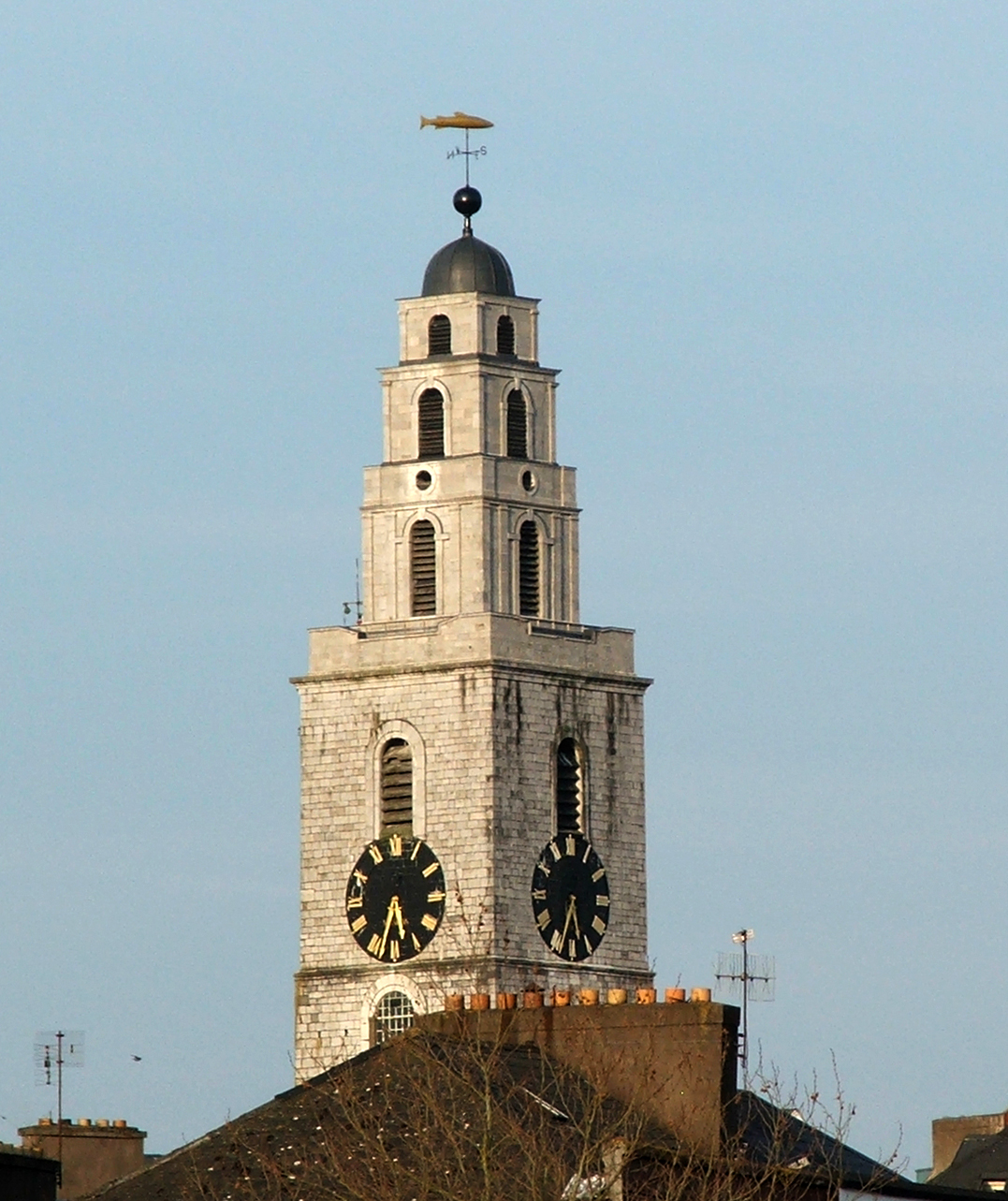
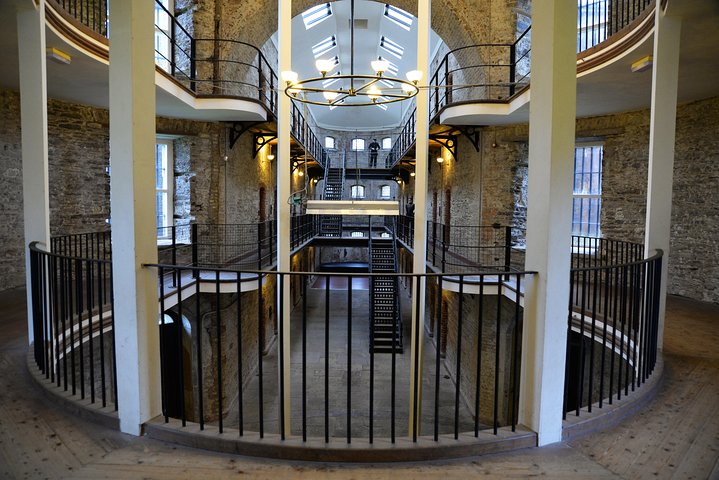
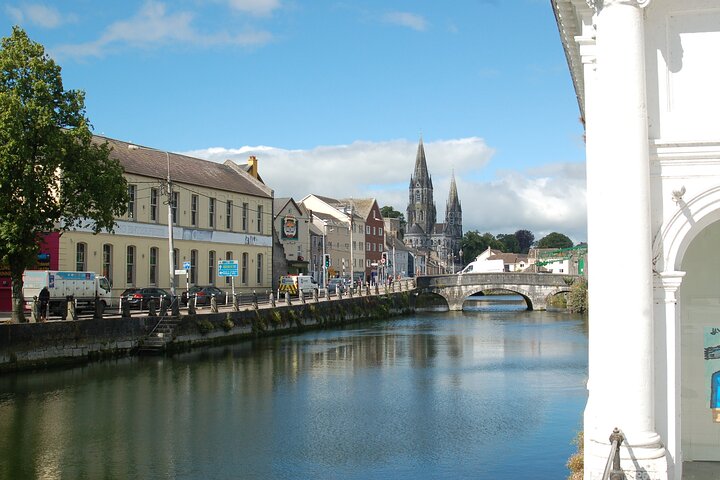
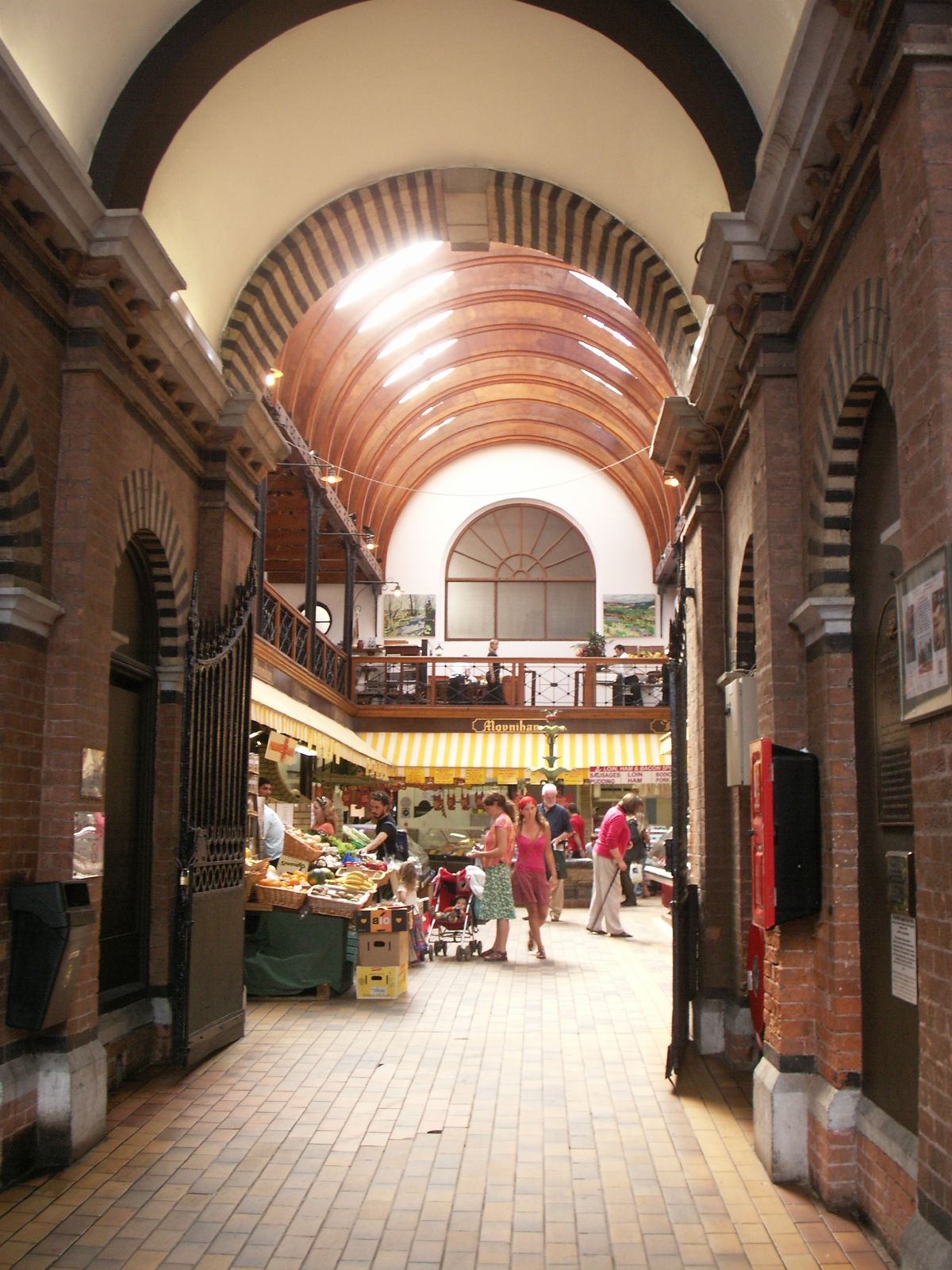
Start at the English Market, which is free and is at its best in the morning when every stall is trading. Buy a few tastings, perhaps spiced beef or a piece of farmhouse cheese, and have a coffee on the gallery. From the market it is a short walk south-west to St Fin Barre's Cathedral, a Victorian Gothic landmark with three spires and a richly painted interior. Allow about an hour. After a lunch break, cross the river to the north side and climb to Shandon, where the bells of St Anne's can be rung by visitors and the tower gives a wide view over the rooftops. Finish the afternoon at Cork City Gaol, a short walk uphill from the river, where the cells and the restored interiors tell the story of nineteenth-century crime and punishment. Dinner can be anywhere in the centre, because the streets around Oliver Plunkett Street and the Victorian Quarter are packed with pubs and restaurants.
Day two: the harbour
Take the train from Kent station along the harbour shore. Cobh is the end of the line and the natural base for the day. The Titanic Experience sits in the old White Star Line ticket office on the waterfront, where the ship made her last stop before the Atlantic, and the Queenstown Story at the Cobh Heritage Centre explains the emigration that left from the same quay for more than a century. Allow about an hour and a half for each. If you want more history by boat, Spike Island, the old prison and fortress in the harbour mouth, makes a full half-day with the ferry crossing; check that tours are running on your day, because they follow a seasonal schedule. Walk up through the colourful terraces to the cathedral of St Colman before you take the train back, and eat early if you want a seat at a harbour-front table.
Day three: castle and coast
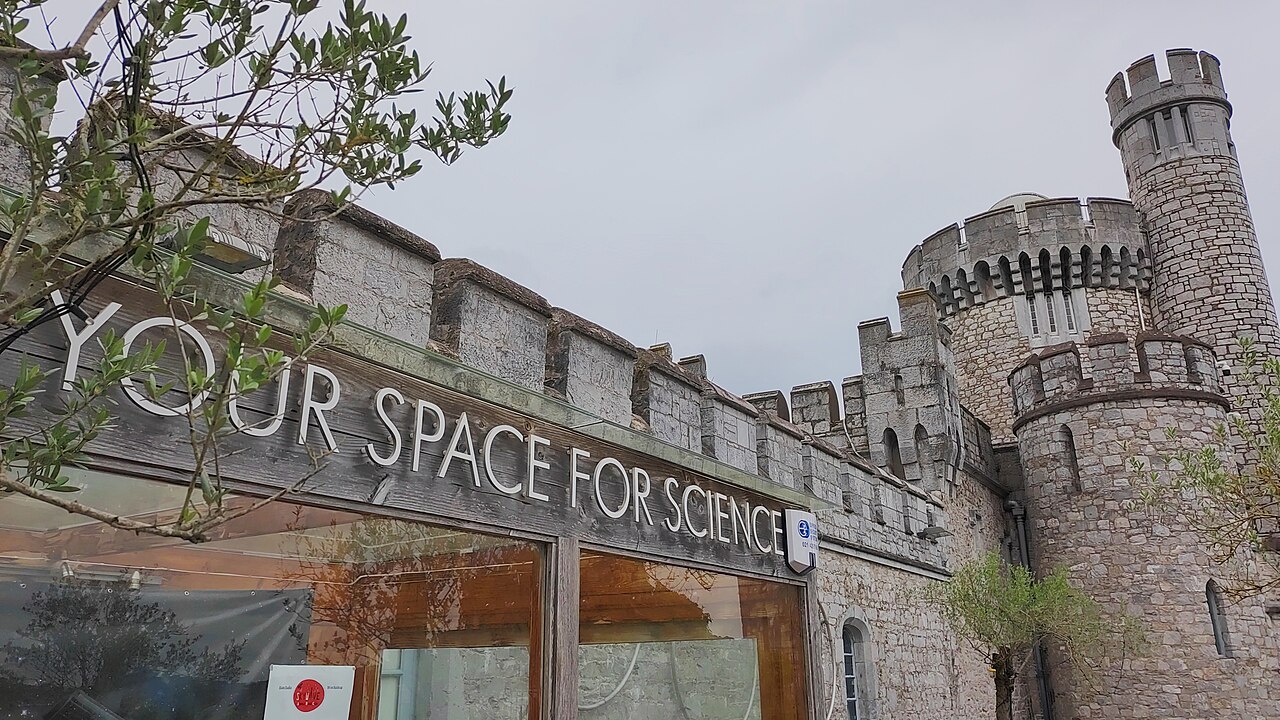
Go to Blarney first, in the morning, because the stone is the most queued sight in the county and the grounds are best before the coaches arrive. Kissing the stone means leaning backwards over a drop, so it is not for everyone, but the gardens, the poison garden and the woodland paths are worth the visit on their own. Return to the city centre for the bus south to Kinsale, a harbour town of crooked lanes and good seafood. Charles Fort, the star-shaped fortress just outside town, is a short drive or walk and gives a fine view over the harbour mouth. Spend the evening in Kinsale and take a late bus or a taxi back, or stay overnight if your timing is tight.
If you have a fourth day
Add Midleton and the distillery for a tour and a tasting, and combine it with Fota Wildlife Park, since both sit on the eastern rail line. That day suits families and anyone who enjoys a whiskey tasting, and a designated driver or train ticket keeps it simple.
Swapping days around
If rain sets in, move the city day to the wet day because the market, the cathedral and the Gaol are largely indoors, and keep Blarney and Kinsale for the drier forecast. In winter, check each sight's opening hours before you build the days, because several shorten their schedules. Blarney and Kinsale both suit a morning start, and Spike Island needs the ferry to be running.
Getting around
The centre is walkable end to end, and the train covers Cobh, Fota and Midleton from Kent station. Buses serve Blarney and Kinsale from the city bus station, and taxis are the easy answer for short hops and late returns. Cork is on the euro, and cards are widely accepted, though a little cash helps in markets and small shops.
Where to base yourself
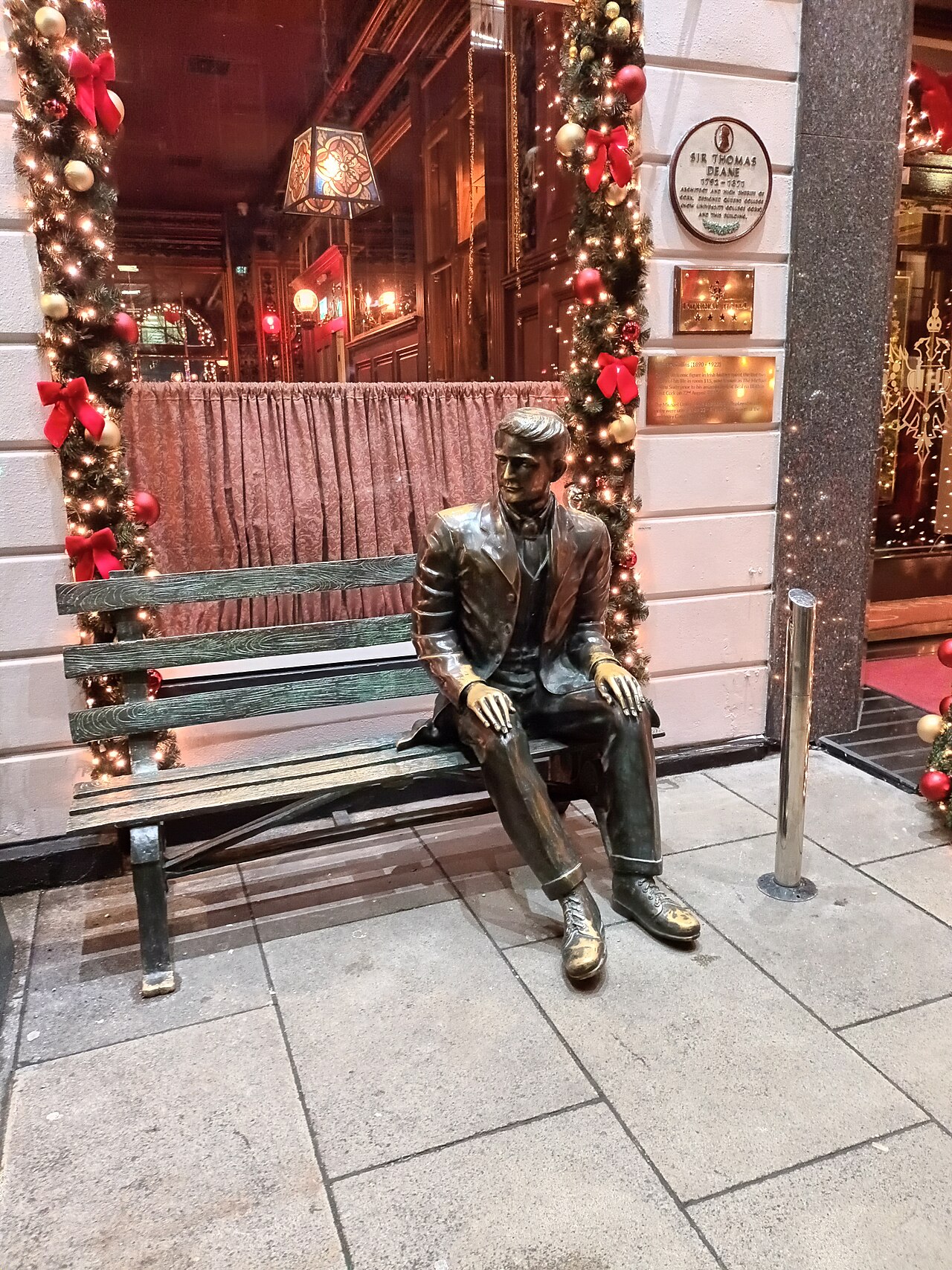
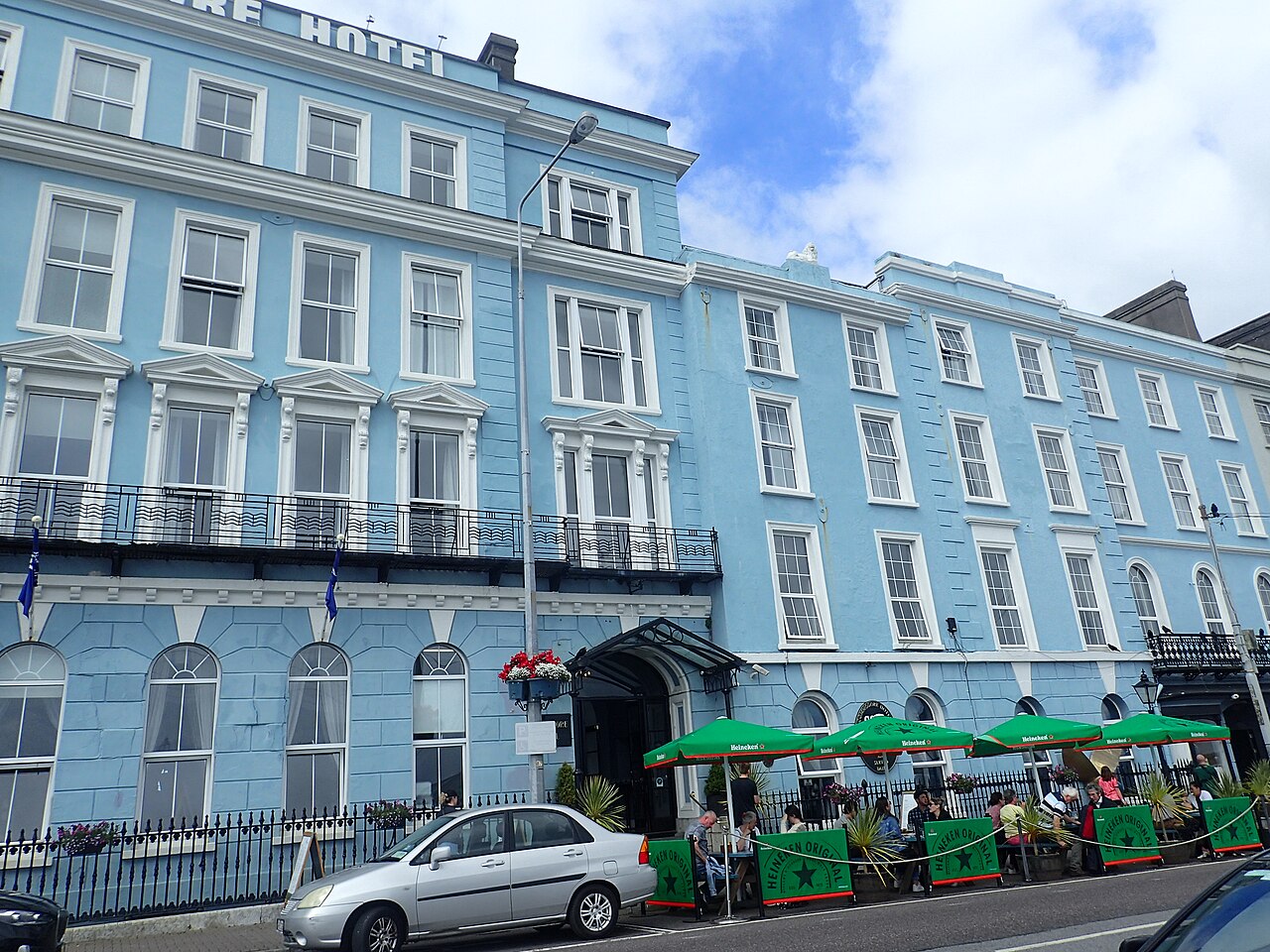
For this plan the best base is the centre or by Kent station, which keeps the rail day and the bus day equally easy. The Imperial and Isaacs both work well. If the harbour is your priority, the Commodore in Cobh gives a quiet seaside alternative, though it adds a train ride on the city and Blarney days.
One last tip
Do not over-schedule. Cork is at its best in the unplanned hours, over a long lunch in the market, a pint in a traditional pub, or a walk along the river. Leave a gap on each day for that.