Cork is Ireland's second city and its food capital, a compact, walkable centre on an island between two channels of the River Lee, with a harbour, a castle, a famous stone and a ring of easy day trips around it. Three days is the ideal first visit, and you can do most of it without a car.
Start in the centre
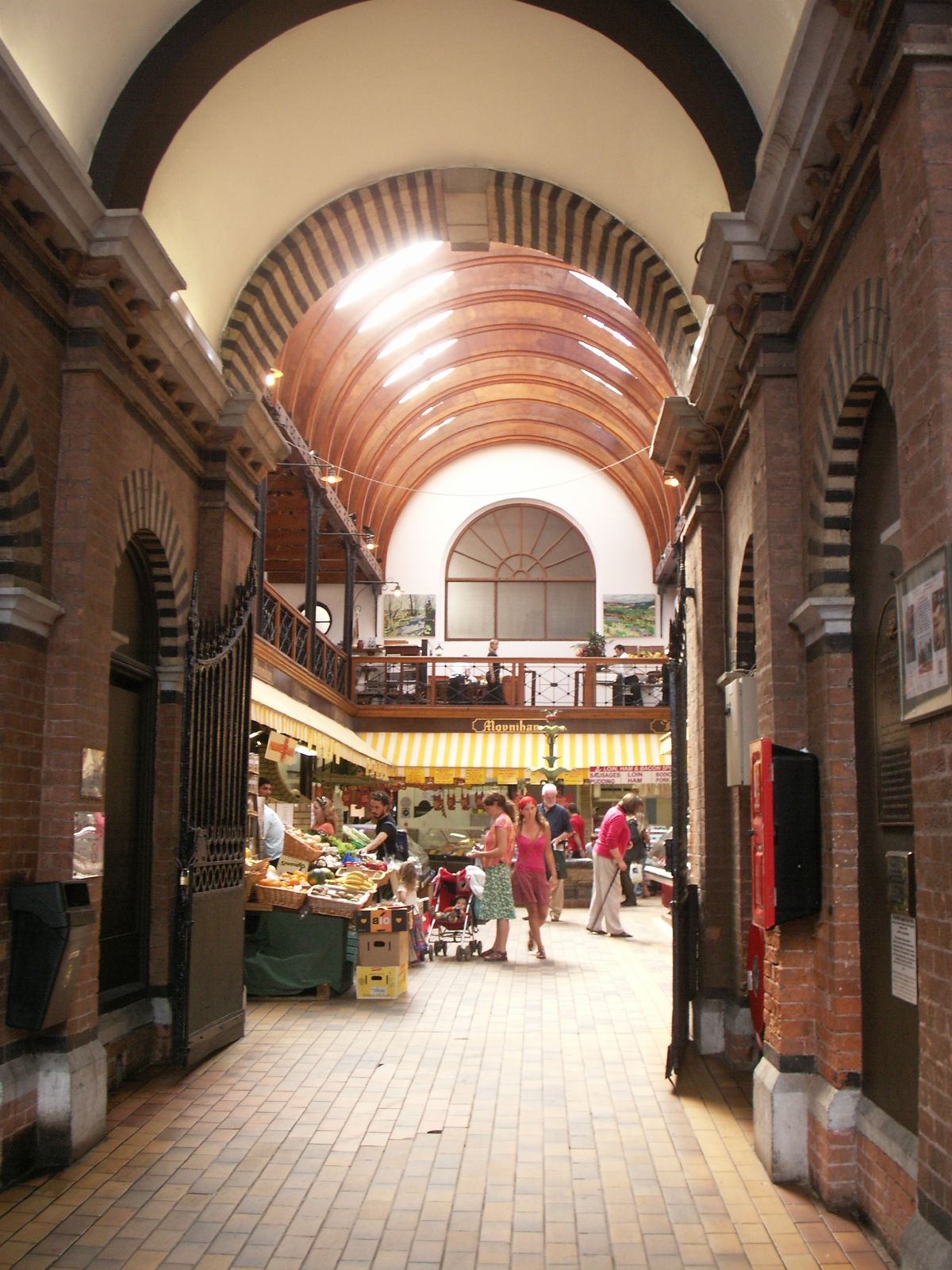
The English Market is the obvious first stop, and it is free, so you can fit it in before anything else. From there you can walk to St Fin Barre's Cathedral, cross the river to Shandon for the bells and the view, and visit Cork City Gaol on its hill. A guided food walk is a good way to link the market with the pubs and chocolate shops, and it is the best first-morning activity if you like to be shown around.
What to book ahead
Most of the city sights are walk-in, but a few things benefit from planning. Reserve food tours and the Midleton Distillery tour in advance, particularly at weekends and in summer. Spike Island needs a ferry sailing, and in November tours run on weekends only, so plan the day before you travel. Blarney Castle uses general admission rather than timed slots, but arriving early shortens the queue for the stone.
Getting around
The city centre is walkable from end to end in about twenty minutes. Beyond it, trains from Kent station run to Cobh and stop at Fota on the way, which makes the Titanic Experience, the Queenstown Story and the wildlife park easy independent trips. Buses serve Blarney, Midleton and Kinsale, and taxis are reasonably priced for short hops. A car is useful for West Cork but unnecessary for the places in this guide.
How many days
One day covers the city: the market, the cathedral, Shandon and the Gaol. A second day suits the harbour: take the train to Cobh for the Titanic Experience and the heritage centre, add Spike Island if it is running, or go to Fota. A third day can be Blarney in the morning and Kinsale in the afternoon, ending with a seafood dinner in the harbour town. A fourth day could add Midleton and the distillery.
Where each sight fits
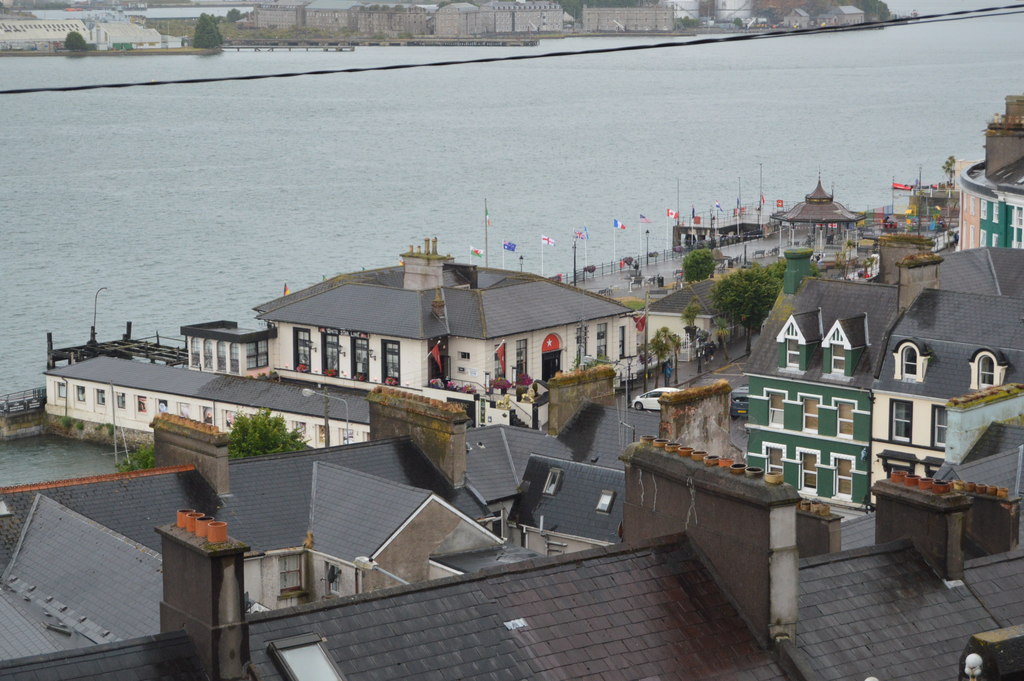
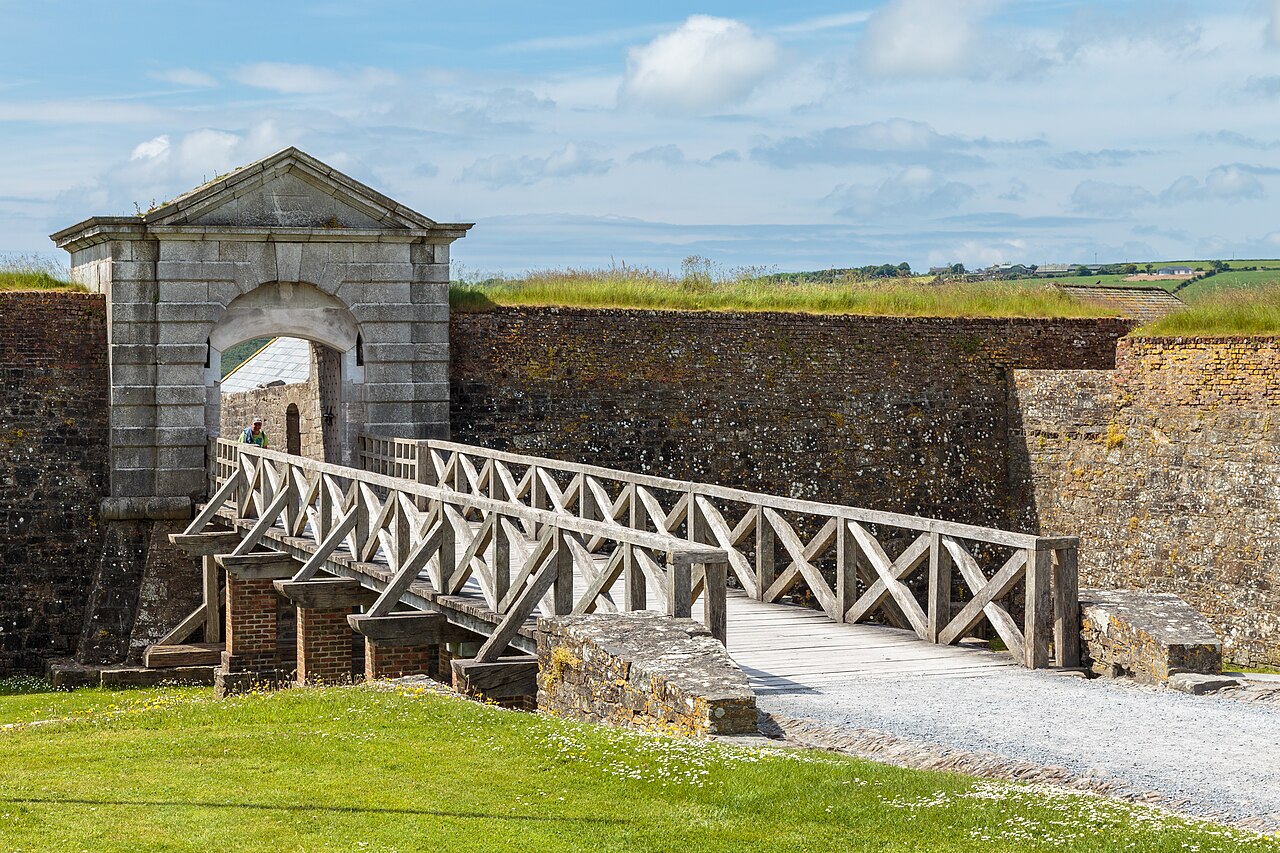
Blarney lies north-west of the city, Midleton and Fota are east, Cobh is on the harbour south-east, and Kinsale and Charles Fort are south. Group them by direction so that you do not cross the county twice. Cobh, Fota and Midleton share a rail corridor, which makes them a natural cluster, while Blarney and Kinsale each suit their own half-day.
The season
November is quiet, with fewer queues and cheaper hotels, but days are short and rain is likely. Spike Island is limited to weekends, Fota keeps winter hours with an early last entry, and some Cobh sights close on Mondays and Tuesdays. Always check the venue's current opening times, because winter schedules change. The upside is that the city is full of cosy pubs and that the English Market is lively all year.
Eating and drinking
Cork is proud of its food. Look for spiced beef, drisheen, smoked fish and farmhouse cheese, and have a pint of the local stout in a traditional pub. Kinsale has the best seafood restaurants, and many of them open evenings only in winter, so reserve. Distillery tastings are for adults, and designated drivers should plan transport.
Where to stay
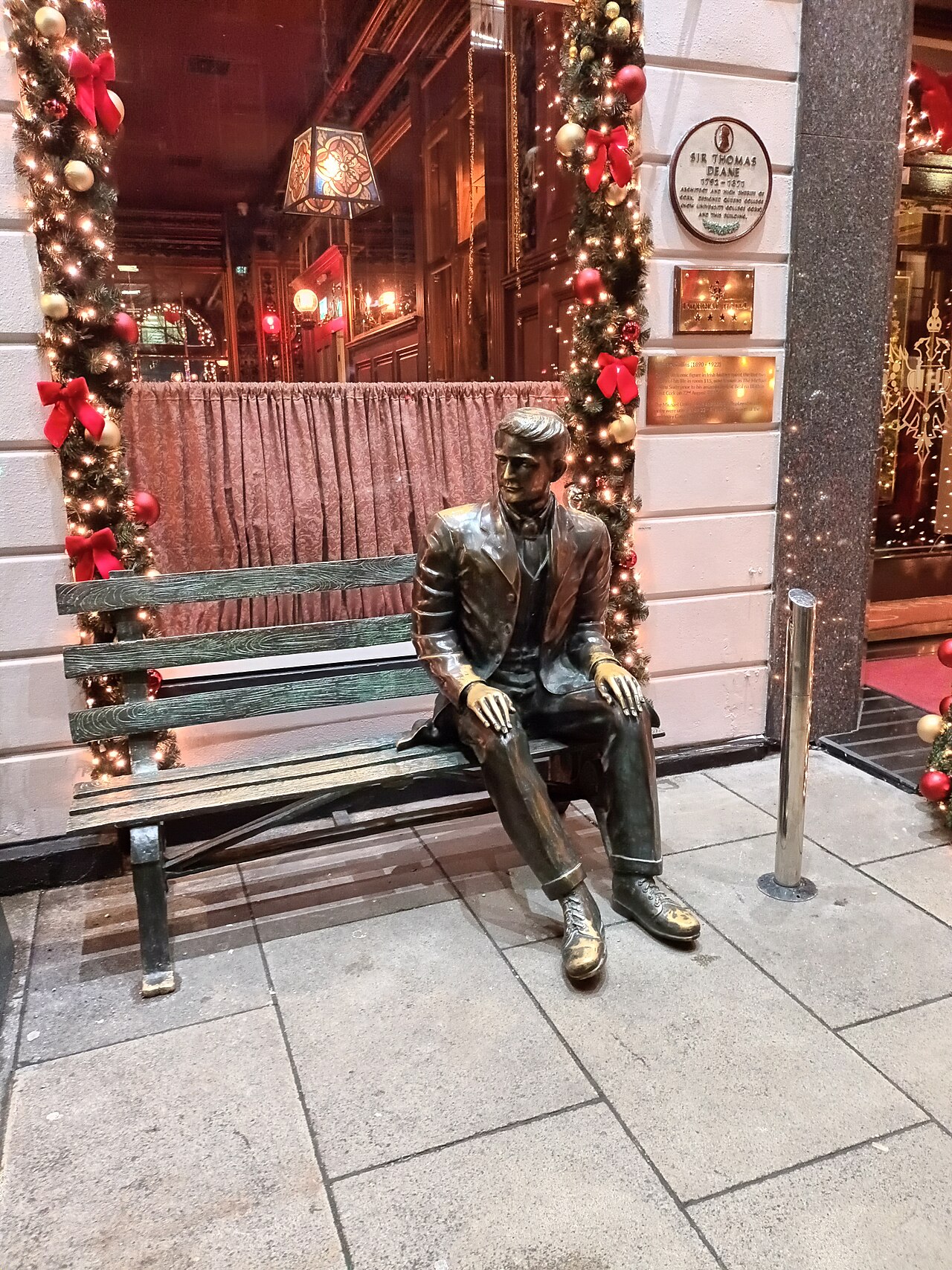
Central hotels such as the Imperial and Isaacs put you on foot to the sights, Hayfield Manor gives a quiet luxury option near the university, and Cobh and Kinsale each have a good base if you prefer to sleep by the sea. Our Where to Stay guide compares them in detail.
A few honest notes
Irish weather is changeable, so carry a waterproof layer whatever the forecast. Some attractions have steep stairs, including Shandon, Blarney and the Gaol, which makes them hard for those with mobility needs, so check access in advance.