Three days is the sweet spot for Cozumel. It is enough time to get properly wet on the reef, see the island beyond the beaches and still leave room for a lazy afternoon, without the trip turning into a checklist. The island is long and flat, the main road loops around the southern end, and taxis in San Miguel and along the western coast make most moves easy. This plan puts the weather-dependent water day first, so that if the sea is rough you have two days to swap things around.
Day one: the reef
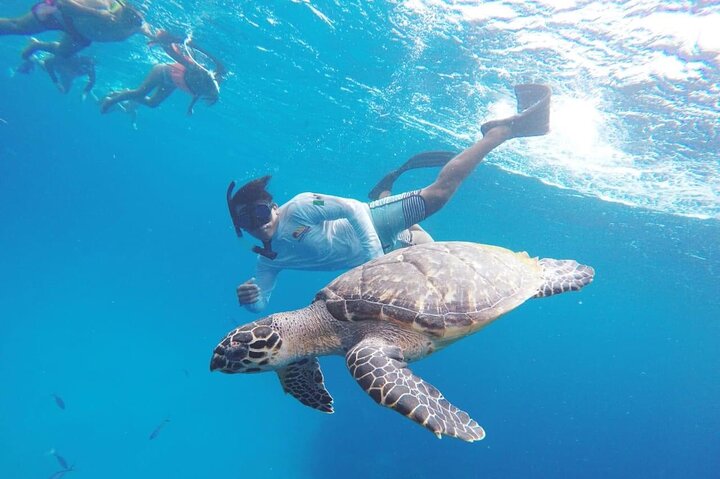
Start with the signature outing, the half-day snorkel to the Palancar and Columbia reefs and the El Cielo sandbar. It takes about four hours including the boat ride, and the morning departures tend to have calmer water. El Cielo is a shallow sandy patch where starfish are common, so go with the idea of looking, not handling. If you would rather see turtles in a gentler setting, the small-group turtle sanctuary snorkel is the better fit for beginners and children. Keep the afternoon free for a swim, a shower and a long lunch. In the evening, walk the waterfront promenade and Benito Juarez Park in San Miguel, where families and couples come out as the heat eases, and weekend evenings often bring music and dancing.
Day two: ruins, jungle and the wild south
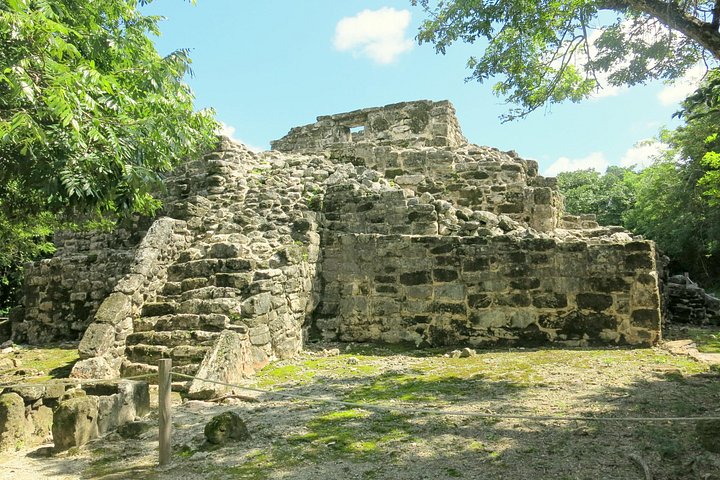
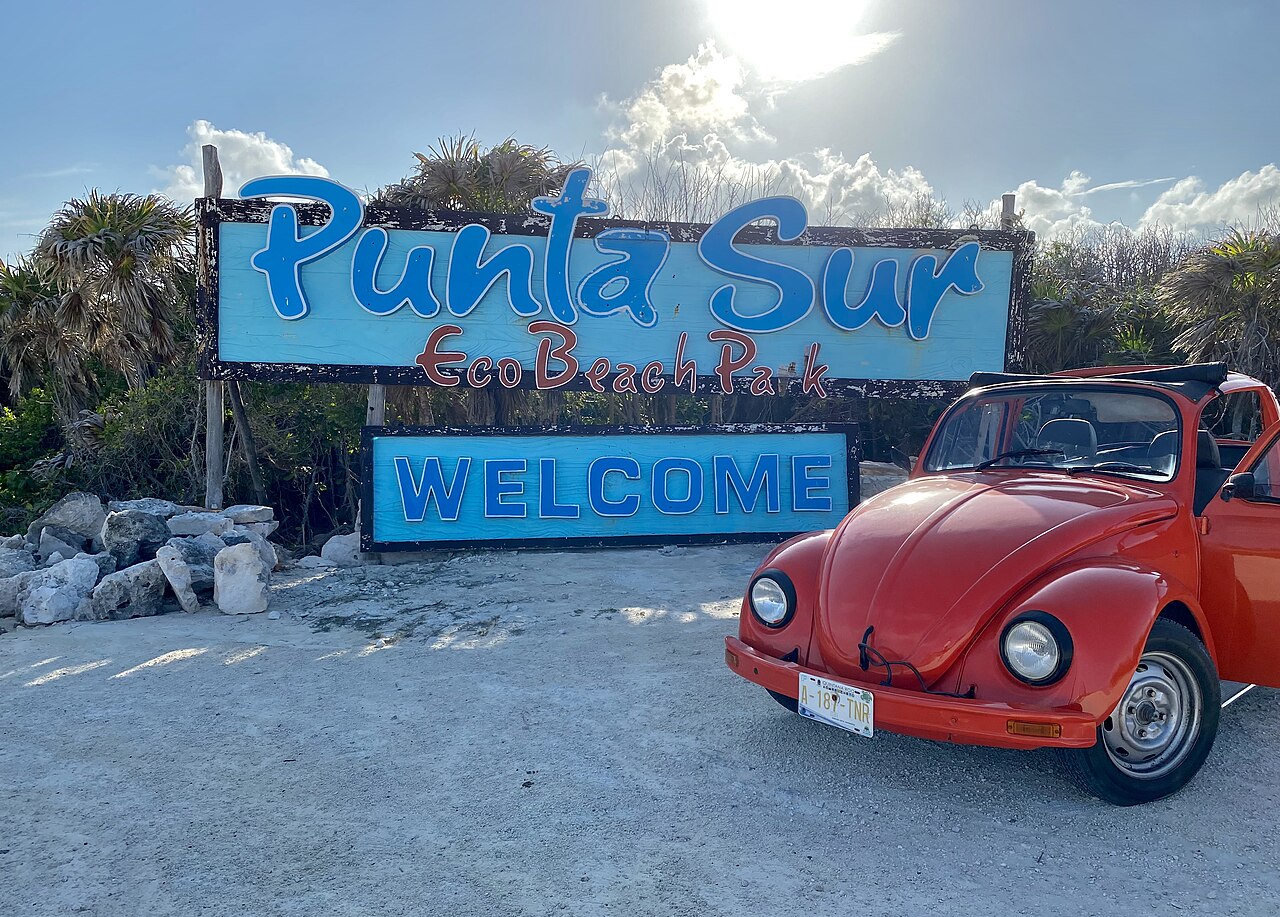
Spend this day on land. Begin early at San Gervasio, the island's main Maya site, which was a pilgrimage center for the fertility goddess Ixchel and is best visited in the cooler morning hours. Plan on about an hour at the site itself. From there, head south toward Punta Sur Eco Beach Park, the reserve at the tip of the island, which combines a lighthouse, a crocodile lagoon, quiet beach and a viewpoint over the open Caribbean. A tour that bundles San Gervasio, Punta Sur and a beach lunch fits the day neatly, and a private jeep or buggy tour is the flexible alternative if you want to stop where you like. If you drive yourself, you can include the east coast road, with its wind-swept beaches and roadside stops, though conditions there can be rough for swimming and the sea is not safe for casual bathing. Fill any extra time with El Cedral, a small Maya site and village that is quiet and free to visit.
Day three: choose your pace
The last day is the one to match to your mood. For an easy, classic beach day, Chankanaab Beach Adventure Park gives you a protected cove, snorkeling from the shore, shaded loungers and a few animal encounters, and it suits families especially. For something livelier, KUZA Beach and Adventure Park is an all-in-one day with activities and a lively atmosphere, and the Jade Cavern ATV ride is the pick for teenagers and active travelers. Certified divers should replace this day with a two-tank boat dive along the reef walls, and anyone curious about diving can try the discover scuba session for beginners. If you want a rainy-day or midday alternative, the island museum in San Miguel is a cool, informative stop on the history and nature of Cozumel, and it is closed on Mondays.
If you have a fourth day
The best additions are the Playa del Carmen ferry for a mainland day, or a Tulum ruins trip organized from the island, which gives you the grander Maya site and a coastal setting. The ferry crossing takes roughly forty-five minutes, so a mainland day is realistic, but allow a buffer on the way back, and remember that rough seas can disrupt crossings.
Where to stay for this plan
Downtown works best if you like to walk to dinner and plan to take taxis to the sights. The north hotel zone gives you a beach and calm surroundings with a short ride into town. The south coast resorts put you beside the reef and close to Chankanaab, but farther from the town. The where to stay guide covers the choice in detail.
Practical notes
Book the snorkel trip and the land tour before you arrive, since boat capacity and tour spaces are limited and fill up when several cruise ships are in port. Carry some Mexican pesos for small purchases, tips and park fees, because cards are not accepted everywhere. Wear reef-safe sunscreen and a rash guard, drink bottled or filtered water, and leave a margin in your schedule for weather. Winter northerly winds can make some trips choppy, and the hurricane season from June to November is the main risk to plans, so flexible bookings and travel insurance are worth having.