Crete is a place where mountains meet the sea within a few kilometres, and that makes it one of the best islands in the Mediterranean for active travellers. Deep gorges cut through the White Mountains, tracks climb to villages that cars struggle to reach, and the water along the coast is clear and warm for much of the year. This guide sorts the main adventures by type and difficulty, and explains when to go and what to bring.
Gorge walking
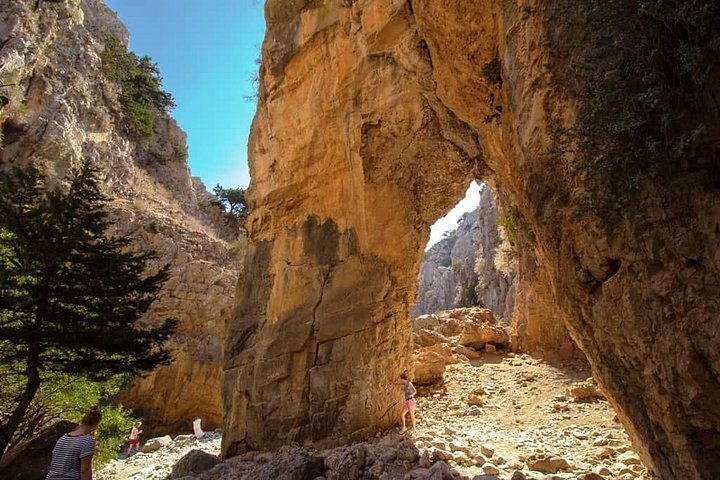
The island is famous for its gorges, and the best known is the Samaria Gorge, a long descent through the White Mountains to the Libyan Sea that is open in the warm months only. It is demanding, with a long distance and a steep start, but the scenery is superb. Imbros Gorge, which stays open all year, is shorter and easier and suits families and less experienced walkers. Both finish near the south coast, where a boat takes you on to a village for the bus back. Start early, carry plenty of water, wear shoes with a good grip and take snacks. Check the season and the conditions before you go, because gorges close after heavy rain.
River trekking
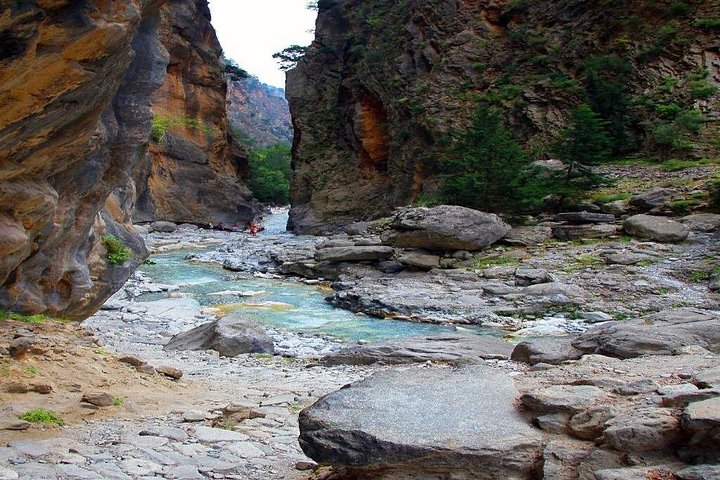
For something wetter, the Kourtaliotiko Gorge in southern Rethymno offers a guided shared trek along the river, wading and scrambling between rock walls and plane trees. It is more playful than a hike, cool in summer and suitable for most fit adults and teenagers. Wear shoes that can get wet and bring a change of clothes. It pairs naturally with Preveli Beach, which lies close by and has a palm-fringed river mouth.
Safari days
Jeep and quad safaris take you into the countryside that most visitors miss. The Preveli 4x4 safari follows mountain roads to the south coast and includes lunch, while the Chania sunset safari explores the hills behind the city in the late afternoon. The full-day quad safari adds a cave, an abbey, a village lunch and a swim. These days are bumpy and dusty, so wear closed shoes and old clothes, bring sunglasses, and check licence and age rules. They are a good choice for people who enjoy company, scenery and a bit of noise, and a poor choice for anyone with back trouble.
Diving and snorkelling
The sea off western Crete is clear and warm from early summer to autumn, and the coast near Chania has sheltered sites for beginners. A first dive with an instructor needs no certification, though you must be comfortable in water and complete a medical form. Qualified divers can find wrecks, walls and caves further out. Snorkelling is rewarding at many beaches, and boat trips often include a stop. Remember not to fly for 24 hours after diving, so schedule your dive early in the trip.
Boat days
Boats are the best way to reach places that roads cannot, from Balos Lagoon and Gramvousa in the north-west to Spinalonga in the east and Dia Island off Heraklion. Catamaran trips mix sailing and swimming with a meal on board, and sunset cruises from Chania and Heraklion add a romantic dimension. Sailings depend on weather and sea conditions, and some services run in summer only, so check the season and the cancellation policy when you book.
Seasons and safety
Spring and autumn are the best times for hiking, with comfortable temperatures and green or golden landscapes. Summer is hot, so walk early and rest in the shade in the afternoon. Winter days are mild but wet, and some trails and boat trips close. Whatever you choose, tell someone where you are going, carry water and sun protection, and follow the guide's instructions. Travel insurance should cover the activities you plan, since quad riding and diving are sometimes excluded.
Putting it together
A good active week might include a gorge on one day, a safari or river trek on another, a boat day for recovery and an evening in Chania or Rethymno with a food tour or a Cretan night. Keep a spare day for weather, and book the popular activities, such as the Samaria Gorge and the Balos cruise, a few days ahead. Crete rewards curiosity, and the more you step off the main roads, the more of it you will see.