Crete suits almost every month of the year, but not every month suits every kind of trip. The island is long and mountainous, so weather differs between the north and south coasts and between the shore and the high villages. Here is how the seasons play out and what to plan around.
Spring: April and May
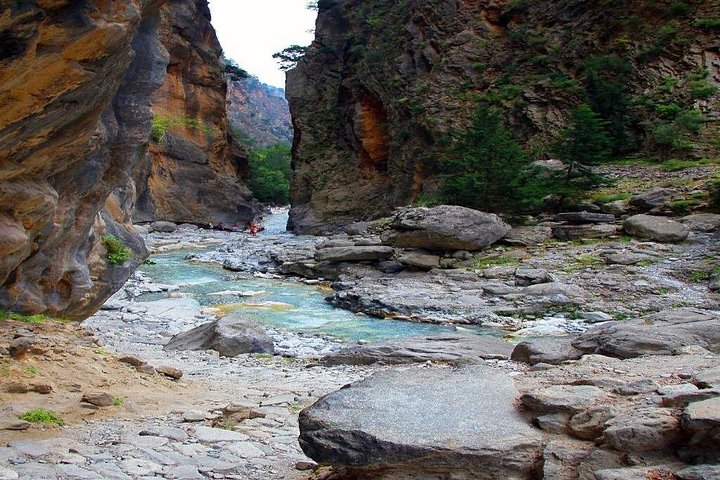
Spring is when Crete is greenest. Wildflowers cover the hillsides, the days are warm without being hot, and the archaeological sites are comfortable to walk. The sea is still cool in April and warms steadily through May, so this is a season for sightseeing, hiking and eating rather than long beach days. Orthodox Easter usually falls in April or early May and brings village celebrations, lamb on the spit and some changes to opening hours, so check dates if you plan to travel then. The Samaria Gorge opens for its summer season in the spring, and May is one of the best months to walk it.
Early summer: June
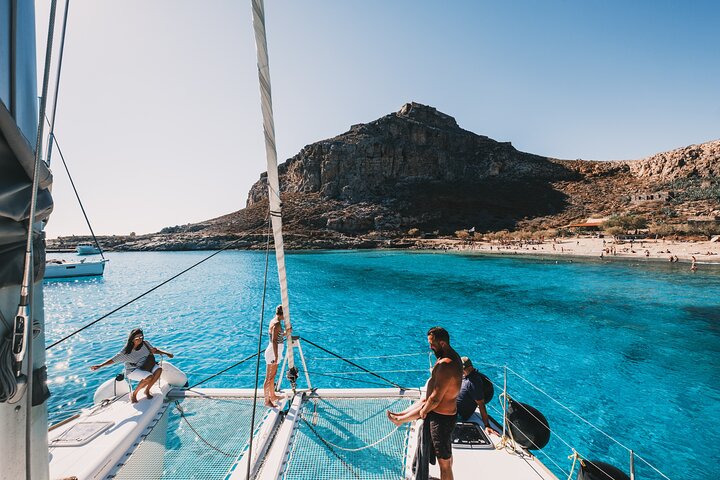
June is warm and bright with the sea warm enough for swimming and crowds that are manageable outside the most famous beaches. The north-coast meltemi wind can begin to blow, which is a reason to have a south-coast beach such as Elafonisi in mind. Balos Lagoon and Gramvousa boat trips are running, so this is a good month for them.
High summer: July and August
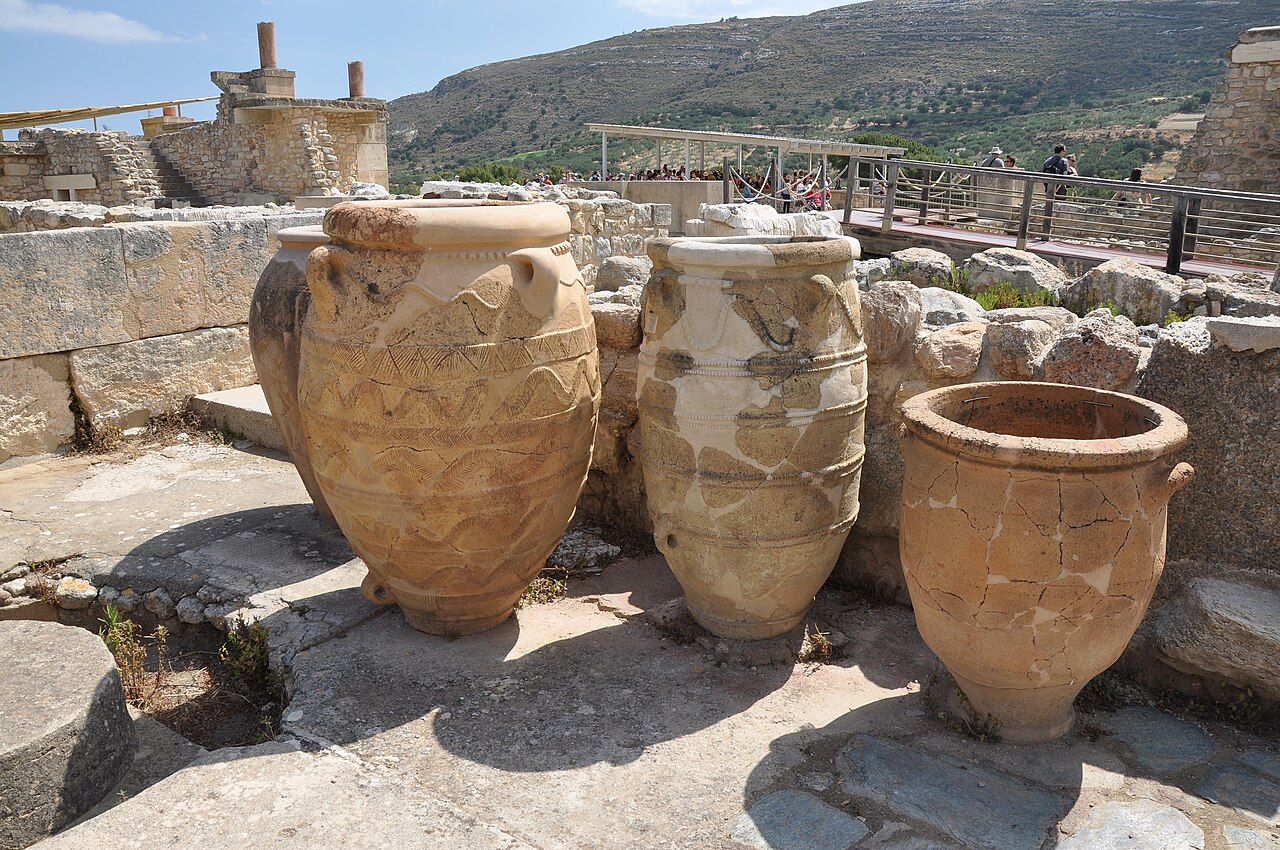
These are the hottest and busiest months, with strong sun, high demand for hotels and cars, and long queues at the most popular places. Knossos is best visited at opening time, before the heat and the tour groups arrive, and gorge walks start early for the same reason. The meltemi can make the north coast breezy, though it also makes the heat easier to bear. Book hotels, hire cars and popular excursions well ahead, and plan beach time for the morning or late afternoon.
Early autumn: September and October
For many visitors this is the best time of all. The sea holds its summer warmth, the crowds thin after the first week or so of September, and prices ease from the peak. October is mellow, with warm days, quieter sites and the first rain showers possible later in the month. Some beach tavernas begin to close by the end of October and certain seasonal services wind down, so check ahead if a particular resort or boat trip matters to you.
Winter: November to March
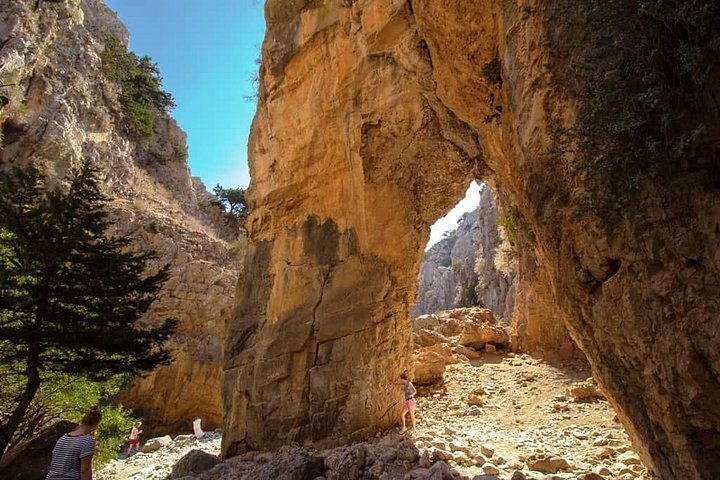
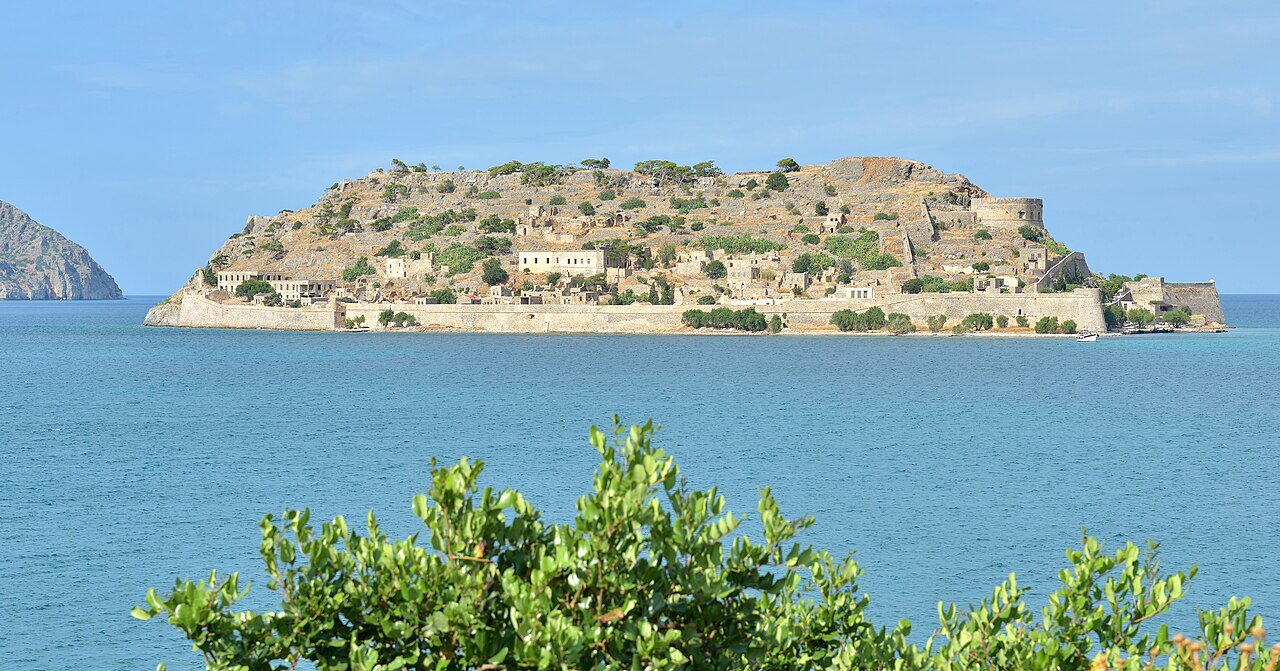
Winter is quiet and mild by northern European standards, with rain most likely in the colder months, snow on the White Mountains and some seasonal businesses closed. Heraklion and Chania stay lively, and city hotels remain open. It is a good season for culture and food: the Heraklion Archaeological Museum, Knossos and Phaistos are far less crowded, and the olive harvest runs from late autumn into winter, which makes an olive farm visit especially interesting. State archaeological sites switch to winter hours from the start of November, typically closing mid-afternoon, so go in the morning. Spinalonga is closed from November to March, the Samaria Gorge is a summer-season walk and many beach resorts, including Domes of Elounda, shut for the winter. Imbros Gorge stays open all year and makes a good winter walk, and Cretaquarium is open every day.
Which month for which trip
For sightseeing and photography, choose April, May, October or November. For swimming and boat trips, choose June or September, when the sea is warm and the crowds are lighter than in midsummer. For hiking, choose May, early June or autumn. For the lowest prices and the quietest sites, choose the winter months, with city bases and indoor sights in mind. For a family beach holiday, July and August bring the warmest water but also the heat and the crowds, so many families prefer June or September.
Packing and practical notes
Bring sun protection in every season but winter, sturdy shoes for gorges and archaeological sites, and a light waterproof layer from autumn to spring. Mountain roads are slow and winding in any weather, so allow more time than the map suggests, and check the forecast on both coasts, because a grey north can be sunny in the south. Crete has a long season, and the best moment to go is simply the one that matches the trip you want.