Crete is a very good island for families. The beaches are long and warm, restaurants welcome children without fuss, and the history is dramatic enough to hold the attention of a child who would rather be on the sand. The trick is to mix the big sights with plenty of play, and to keep the car journeys short. Here is how to plan.
Choose beaches with gentle water
Many of the best family beaches are sandy with shallow, calm water, and the north coast has plenty, including the long town beach beside Rethymno's old town. Elafonisi in the south-west is famous for its shallow lagoon and pale sand, though it is a long day trip and gets very busy in high summer. Check the wind and sea conditions on the day, because the north coast can be breezy in July and August, and pack sun hats, rash vests and shoes for rocky entries. Beach services on most of the island run in the warm season only.
Aquarium and hands-on museums
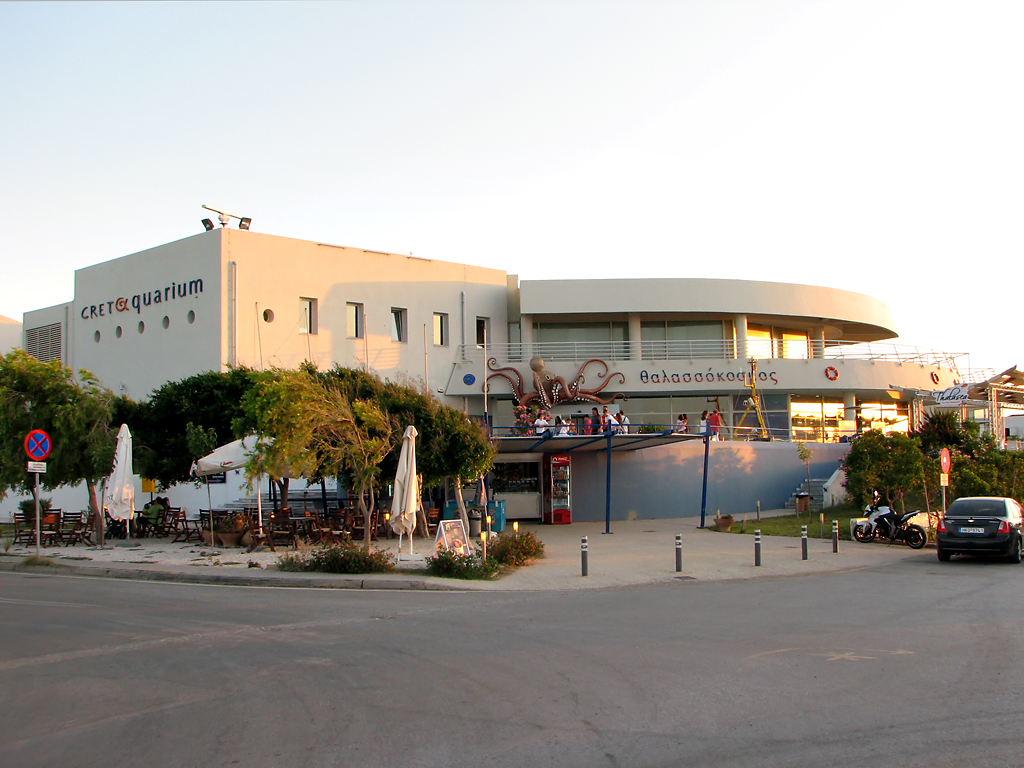
Cretaquarium, on the coast east of Heraklion, is a large aquarium devoted to Mediterranean sea life. It is open every day of the year, so it is a reliable choice on a grey day or at the end of a long beach week, and about ninety minutes to two hours is enough. In Chania, Minoans World mixes a 3D museum of Minoan life with a 9D cinema and takes around forty-five minutes, a good short stop for children who find ruins hard going. Lychnostatis Open-Air Museum at Hersonissos lets families walk through old houses, workshops and gardens, and gives children something to touch and smell.
Make Knossos work for children
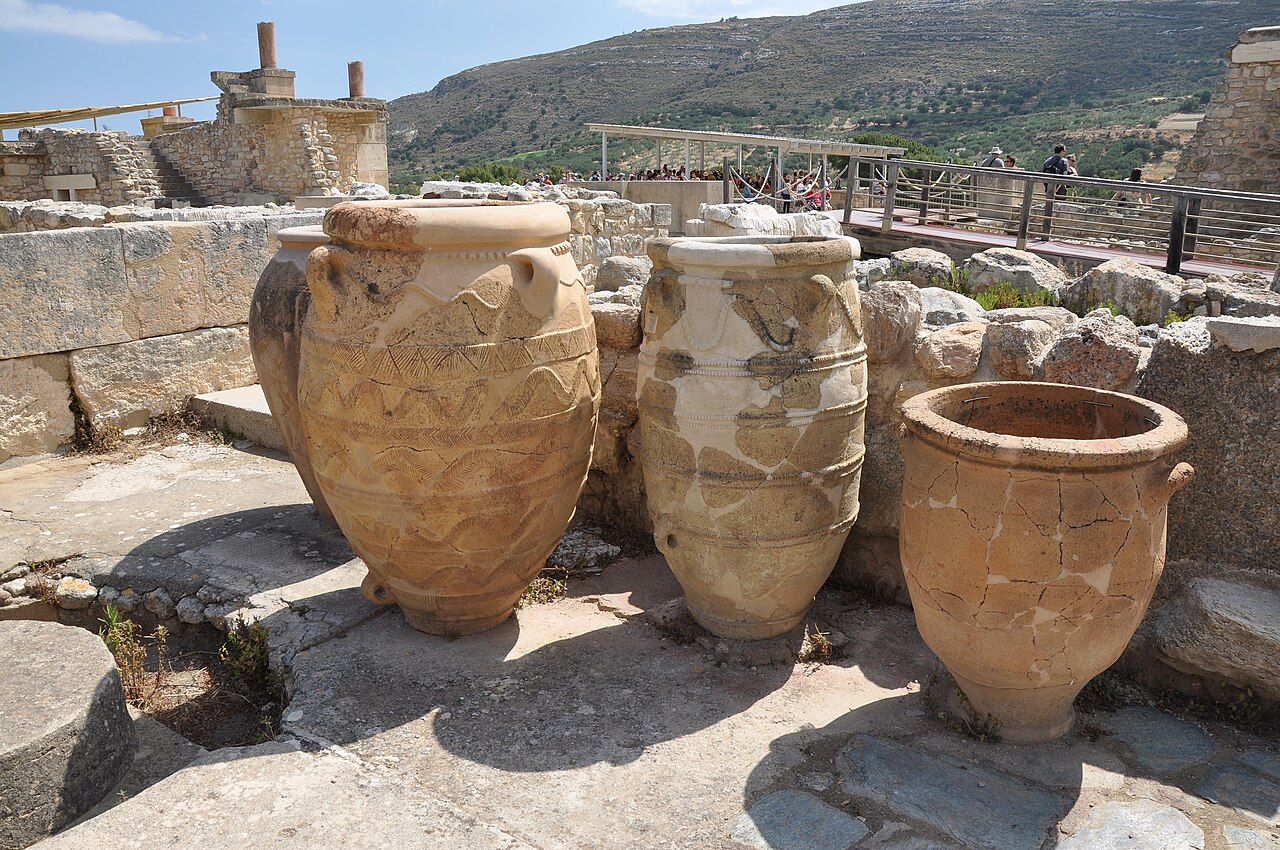
The Palace of Knossos is the Minoan palace that most captures the imagination, with its painted columns, its maze of rooms and the myth of the Minotaur. Go as soon as it opens, before the heat and the tour groups, and tell the story of the labyrinth on the way in. A digital audio guide helps older children, and for younger ones a short visit of an hour or so is better than pushing through to the end. Pair it with the Heraklion Archaeological Museum on another day, where the Minoan treasures and frescoes suit older children, and keep that visit short too.
Boats, castles and forts
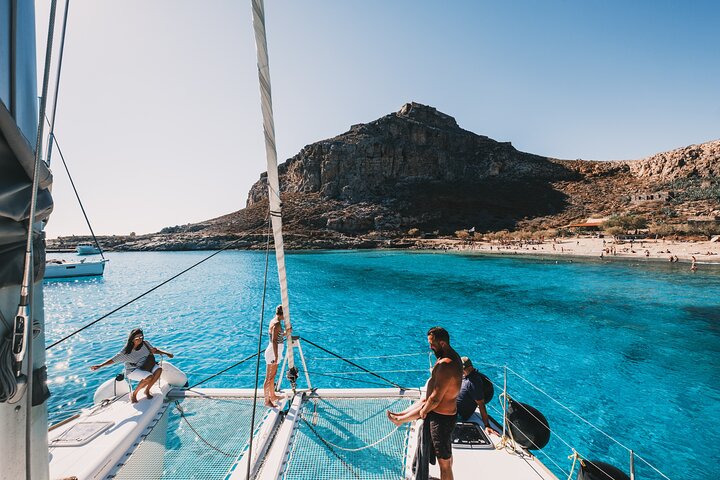
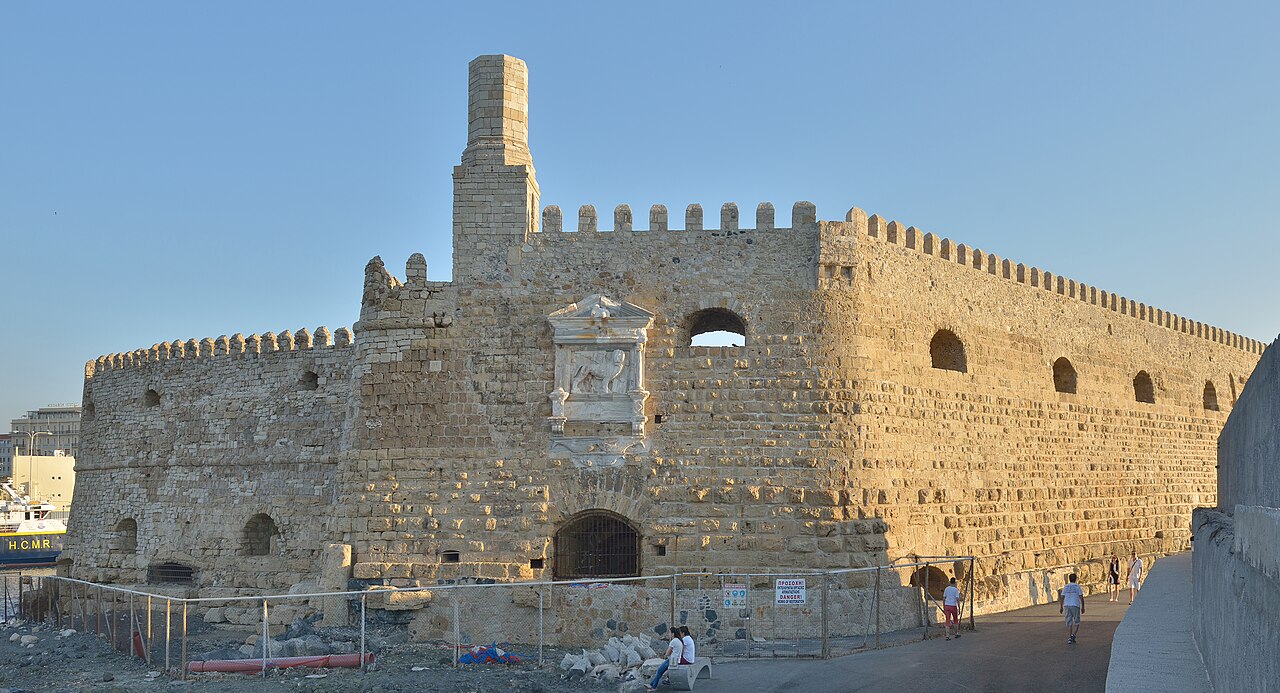
Children tend to remember boat trips. The Balos Lagoon and Gramvousa cruise combines a boat ride, a Venetian fortress on a hill and swimming in turquoise shallows, but it is a long day of about seven hours, so it suits older children better. Spinalonga is a shorter boat crossing to an island fortress and runs in the warm season only. Closer to town, Koules Fortress in Heraklion is a short visit of under an hour with rooftop views, and the breakwater walk to it is an easy stroll. In Rethymno, the Fortezza has plenty of space to run around.
Easy food
Cretan food is friendly to children: bread, olive oil, cheese pies, grilled meat, chips, fresh fruit and yoghurt with honey. Portions are large and sharing is normal, and tavernas will often bring something simple for small children on request. A cooking class is a good option for older children, although the Cretan Cooking Class in Heraklion runs as a small-group session of around five hours, so check that it suits their age and stamina.
Choosing a base
For a family, a hotel with space, parking and a pool often matters more than a historic address. Porto Veneziano in Chania is an easy old-town base for drivers, Lato Boutique Hotel in Heraklion has family rooms and suites, and Elounda Bay Palace is a resort for the warm season, although its facilities close for the winter. Cities are walkable, but the old lanes of Chania and Heraklion are paved with uneven stone, so a lightweight pushchair or a baby carrier works better than a heavy buggy.
Getting around and timing
Distances are long, and children tire quickly in the car, so plan one main outing per day and keep the rest flexible. Hire cars need booking ahead in the summer, and child seats should be reserved with the rental. Choose June or September for warm water with lighter crowds, and keep the Cretaquarium and Minoans World in your back pocket for the rainy-day plan.