Ask anyone who has spent a week in Crete what they remember best and food is usually near the top of the answer. The island has its own cooking, built on olive oil, wild greens, mountain cheese, lamb, snails, honey and a clear spirit distilled from grape skins, and it is so distinct from the rest of Greece that Cretans will tell you it is a cuisine rather than a menu. Here is how to eat well, with the places on this site that help you understand what is on the plate.
Start with the small plates
The classic opener is dakos, a hard barley rusk softened with grated tomato, topped with soft white mizithra cheese, olive oil and oregano. Kalitsounia are small pastry pockets filled with fresh cheese and herbs, or sweetened with honey, and they turn up at bakeries for breakfast. Horta, boiled wild greens dressed with lemon and olive oil, often arrive as a free side in traditional places. Saganaki here is usually fried graviera, a mild, slightly sweet local hard cheese, rather than feta.
Order the dishes that belong to Crete
Apaki is smoked pork marinated in vinegar and herbs, eaten cold as a meze or warm with eggs. Staka is a rich cream made from sheep's butter, served with eggs or as a dip. Boureki, a layered bake of courgette and potato with mizithra and mint, is a speciality of Chania, and the bakeries of its old town are a better bet than most restaurants. Lamb is excellent, especially the lean mountain lamb, and gamopilafo, rice cooked in lamb or goat broth with staka, is traditionally a celebration dish. Snails, cooked with rosemary and vinegar, are the one dish that surprises first-timers; try them in an interior taverna rather than a tourist strip.
Fish and seafood
Along the coast, grilled octopus, sea bream, sea bass and red mullet are the staples. Fish is normally chosen from the display and priced by weight, so ask the price per kilo before you order. Octopus drying on a line outside a taverna is a good sign.
Raki and the end of the meal
Raki, also called tsikoudia, is the local grape-marc spirit, strong and clear. In many tavernas it arrives free at the end of the meal, often with a plate of fruit or a small sweet. It is meant to be sipped, slowly, as part of the conversation. Cretan thyme honey is the other thing to take home, along with a bottle of good olive oil and some vacuum-packed apaki, which travels well.
How to spot a good taverna
The best tables are usually a street or two away from the main tourist strip. Look for a short or handwritten menu, an owner working the floor and Greek spoken at most tables, and be wary of laminated menus with photographs of every dish. Portions are generous and olive oil is used freely, so order a few dishes to share rather than one each, and add more if you are still hungry. Cards are widely accepted, but small village tavernas and market stalls may prefer cash, and the euro is the currency across the island.
Learn it properly
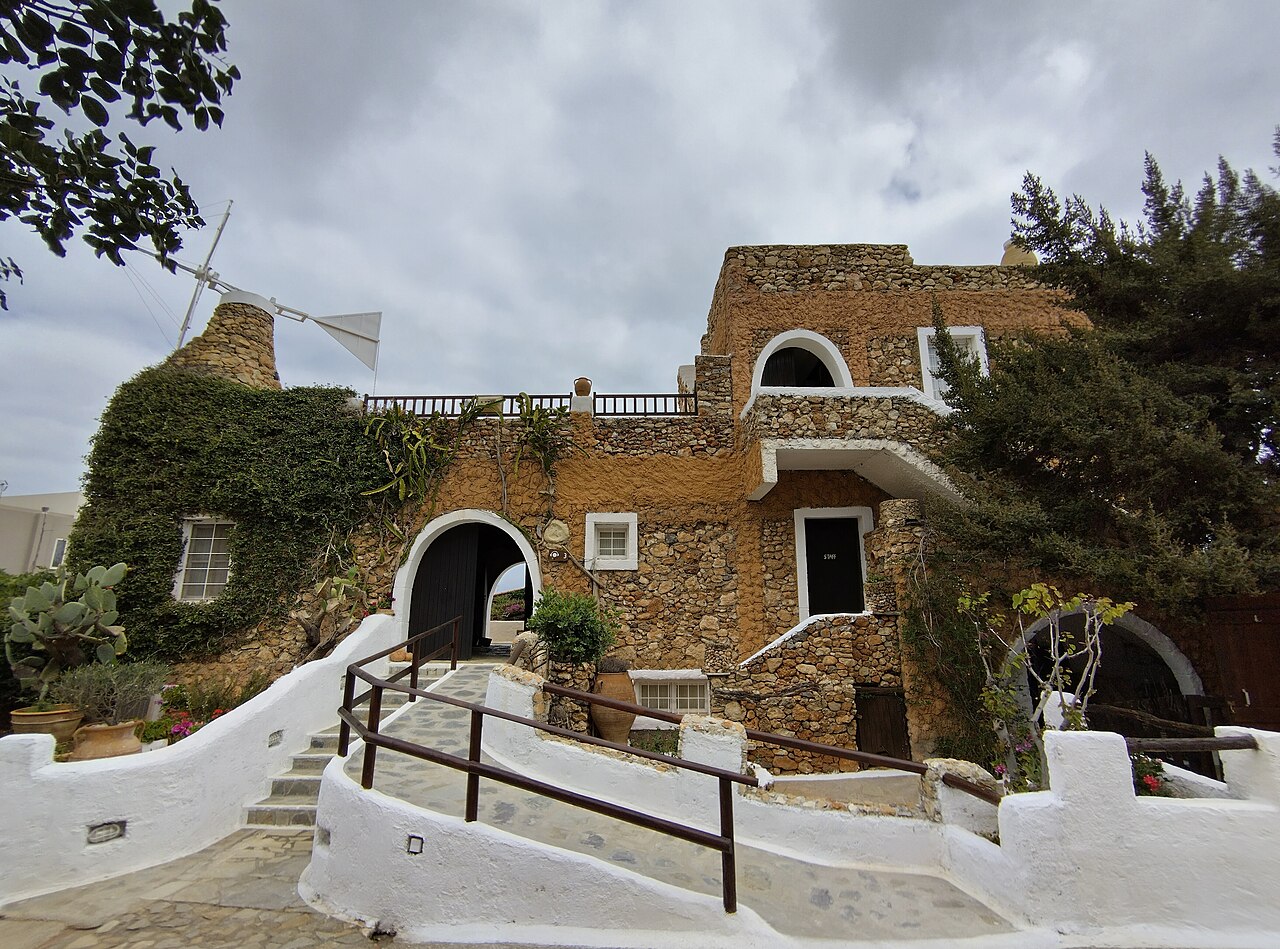
In Heraklion, the Heraklion Food and Wine Tours bring together tastings of local produce, wine and street food, from a short tasting to a long countryside day. The Cretan Cooking Class in Heraklion is a small-group, hands-on session that ends with a long meal of everything you have cooked, and it is the best way to understand why the food tastes the way it does. Just beyond Knossos, the Kleanthi Olive Farm Tour and Tasting walks you through the groves and the mill at Skalani and finishes with a tasting of different oils paired with local foods; the olive harvest runs from late autumn into winter, which makes the off-season a good time to see how oil is made. If you prefer a living-history setting, Lychnostatis Open-Air Museum at Hersonissos shows the folk life of the island, including the gardens, herbs and rural crafts behind the cooking.
Eating by city
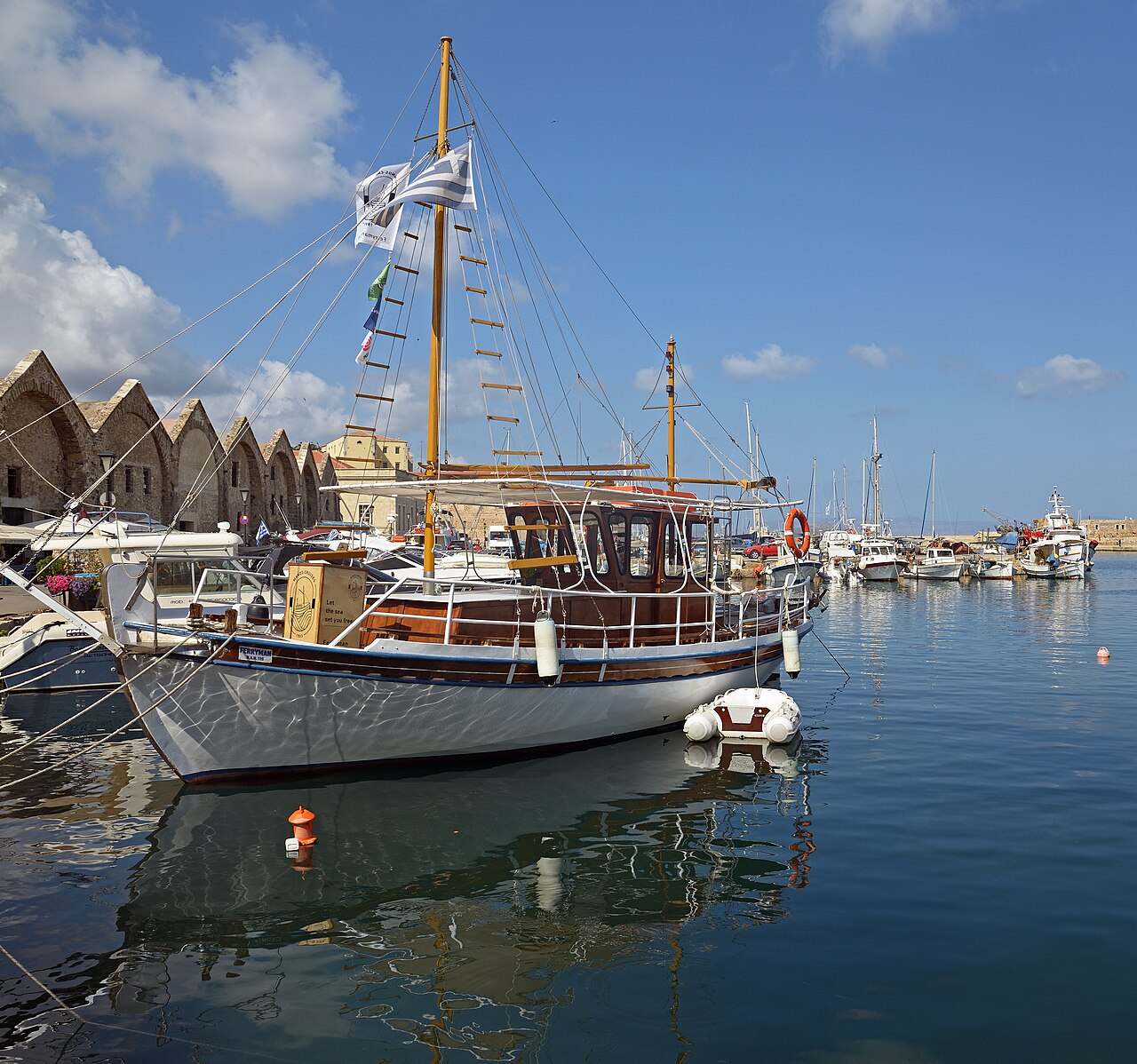
Heraklion is the capital's food town, with a busy market street, bakeries and grill houses used by locals, and evening wine tastings. Chania has the most polished waterfront dining, but the lanes of the old town behind the harbour, and the Splantzia quarter in particular, are where you find the more local tables. Rethymno's old town is full of small tavernas and sweet shops, and the walk to the Fortezza makes a good way to work up an appetite.
Eating in the off-season
Many beach tavernas close from late autumn to spring, but the cities stay open and winter is when the island eats its hearty food: slow-cooked lamb and goat, soups, greens and cheese pies. Wild greens and herbs are at their best in the cooler months, and after Orthodox Easter in spring the lamb is at its finest. Whenever you come, book a cooking class or food tour a few days ahead, because group sizes are small.