Ecuador grows some of the world's most prized cacao, and Cuenca has a growing culture of chocolate makers. A chocolate tour introduces the story from pod to bar: where cacao grows, how the beans are fermented, dried, roasted and ground, and how makers turn them into everything from dark bars to drinking chocolate. Tastings let you compare origins and percentages, and a practical class lets you get your hands in the process, often by making your own bonbons or tempering chocolate. The tone is relaxed and educational, and guides explain cultural uses of cacao that go back centuries in the Amazon and coast. Sessions run roughly one to two hours, take place in small workshops in the historic center and are easy to fit into an afternoon. They are popular with families, couples and anyone who enjoys sweet things, and they make a good rainy-day plan or a pleasant break from walking.
Understanding cacao changes the way you taste chocolate. Ecuador is known for fine-flavor varieties, including Nacional cacao, which has floral and fruity notes that differ from the bulk beans used in mass-market products. In a tasting, you learn to look, smell and taste slowly, noticing acidity, bitterness and aroma. Guides explain how fermentation shapes flavor and why small-batch makers pay attention to every stage. Many tours also include a chocolate drink in a traditional style, thick and lightly spiced, or paired with local coffee or fruit.
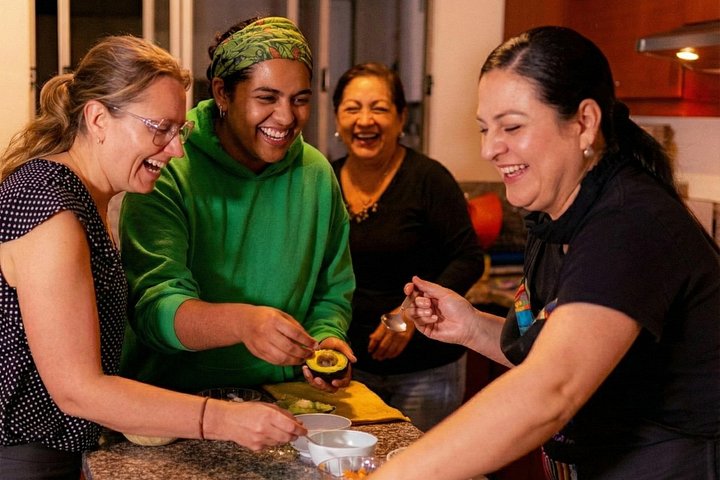
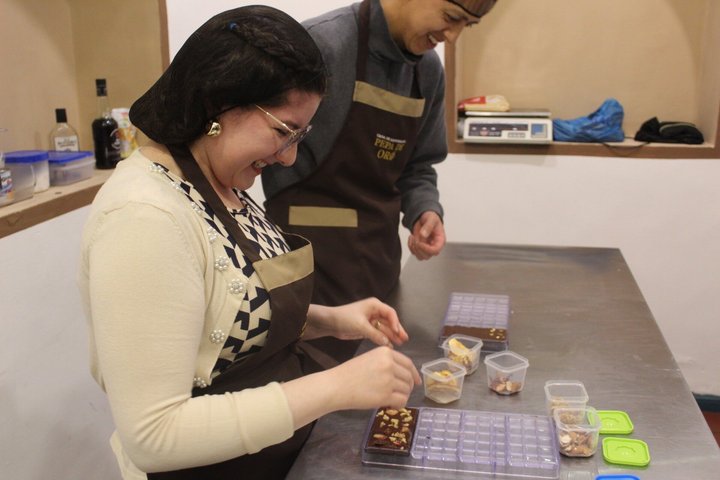
The practical class adds fun. You might melt and temper chocolate, fill molds, decorate truffles or make a bar to take home. Kids often love it, and adults tend to as well once they start. Instructors are happy to answer questions about sourcing, ethical production and the difference between bean-to-bar and commercial brands. If you want to buy chocolate as gifts, you will leave with a good sense of what quality looks like and where to find it.
Some operators combine chocolate with other experiences, such as a cacao farm visit outside the city or a pairing with wine, which are longer and more expensive but go deeper into the subject. A city workshop is the simplest option and fits into a flexible day. Check for allergens when booking, including nuts and dairy, and tell the instructor about dietary needs. Wear something you do not mind getting dusted with cocoa.
Because the sessions are short and indoors, they work in any weather and at any age. Book ahead in high season since small workshops have limited places. Whether you are a chocolate lover or simply curious, this tour gives you a concrete way to connect with a product Ecuador is proud of and a delicious souvenir of your visit. Chocolate also keeps well, so you can bring pieces home as presents. Ask the makers which bars travel best.
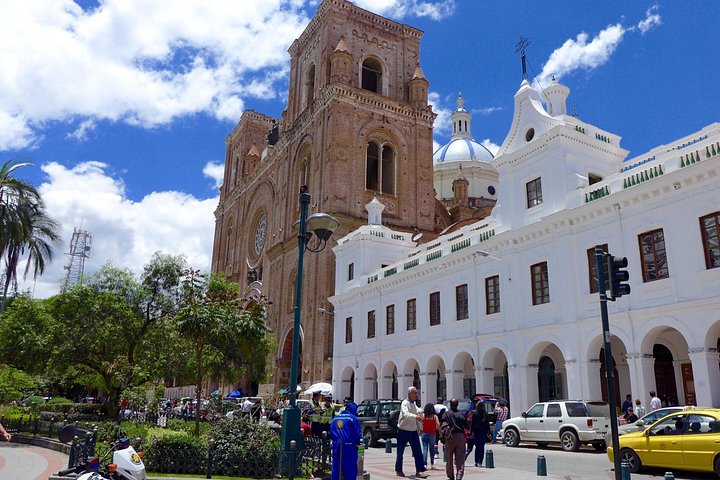
For a longer experience, ask the operator about extensions such as a cacao farm visit or a pairing session with wine or coffee. Those versions cost more and take more time but offer deeper insight into production and flavor. If you are traveling with young children, tell the host so they can pace the session. After the class, a walk through the historic center with a chocolate bar in your pocket is its own small reward, and chocolate makes a gift that is easy to pack and appreciated at home.
What to expect
The experience
A short workshop-style tour with tastings, a bean-to-bar explanation and a practical chocolate-making class.
Best time
Afternoon, as a break from sightseeing or on a rainy day.
How long
One to two hours.
Tips
Mention allergies, wear clothes that can get dusty and buy gifts afterward.
Quick picks
- Best for
- Chocolate lovers and families.
- Families
- One of the best kid-friendly activities in town.
- Couples
- A sweet, relaxed shared activity.
- Pair with
- The cooking class or food tour.
- Time needed
- One to two hours.
Good questions
Is the chocolate local?+
Ecuador grows high-quality cacao, and tours focus on Ecuadorian beans.
Do I make my own chocolate?+
Usually yes, in the practical class portion.
Is it good for kids?+
Yes, kids enjoy the hands-on part.
Can I buy chocolate?+
Most workshops sell bars and gifts.
Are there dietary options?+
Ask in advance about allergies, dairy and vegan choices.