The so-called Panama hat has never been from Panama. It is woven from toquilla straw in Ecuador, mostly on the coast and in the southern highlands, and Cuenca became the center of the trade where weavers, merchants and finishers still work today. UNESCO recognizes the traditional weaving of the toquilla straw hat as Intangible Cultural Heritage, and a visit to a workshop in Cuenca shows why. Tours walk you through the process: the straw is harvested and prepared, woven by hand in fine or coarse patterns, blocked into shape with heat and metal molds, trimmed, bleached or dyed and finished with bands and linings. Expect to see machines and hand tools side by side, to hear about weaving grades that can take months for the finest hats, and to try on the products in the shop. Many city tours include a hat factory stop alongside the historic center, which makes it an easy way to add some craft knowledge to a day of sightseeing.
Hat workshops in Cuenca range from long-established family houses to smaller ateliers, and several maintain small museums or demonstration areas. The experience is part education, part retail, and the best visits slow down enough to let you see how much labor sits in a single hat. The finest weaves, sometimes called superfino, use extremely thin straw and are produced by a few specialized weavers, which explains the wide range in price from a simple souvenir to a prized heirloom.
Guides will explain the grading system, how to test a hat for quality by checking flexibility and weave density, and how to care for it at home.
Expect the tour to include a short history of the trade, including the era when hats were exported through Panama to workers building the canal, which gave the hat its misleading name. You will see the stages of blocking, with steam and heavy presses, and the finishing room where bands and sweatbands are added. Some workshops offer custom fitting or a chance to choose a style, brim and color. Prices vary widely, so decide on a budget before you walk into the shop and ask about shipping if your suitcase is already full.
The best visits come with context. Understanding the hat as a craft rather than just a souvenir changes how you evaluate what you are buying, and it supports the weavers who keep the tradition alive. If you want to go beyond the workshop, the nearby artisan towns of Gualaceo and Chordeleg show other crafts, including jewelry and textiles, and make a good pairing for a second day.
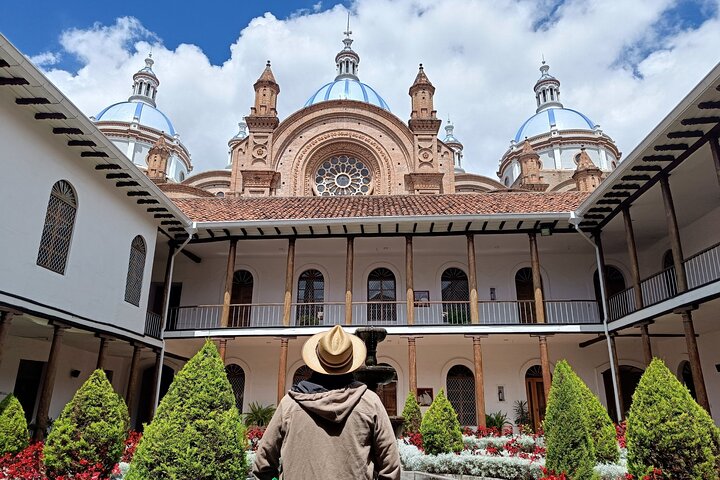
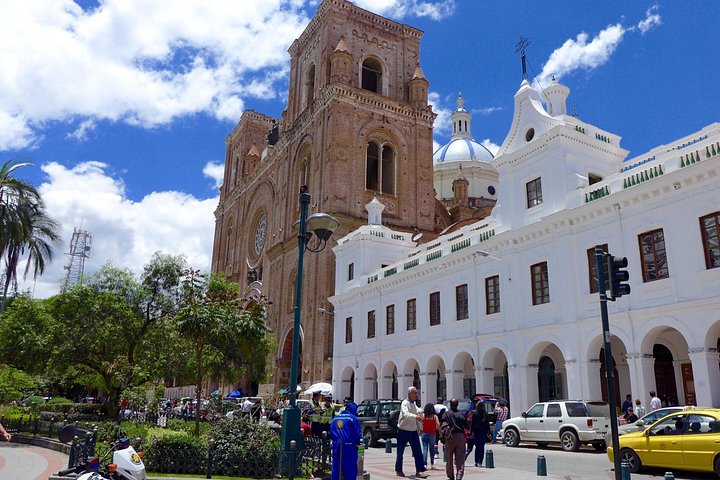
Avoid buying from street sellers who cannot explain the weave grade, and be wary of very cheap hats sold as fine ones. A good hat should feel supple, light and even in texture, and a seller who lets you handle it slowly is usually a good sign. Many city tours bundle a hat stop with the cathedral and the viewpoints, so you can cover the craft without a separate trip.
Care matters once the hat is yours. Store it flat or hung rather than crushed in a suitcase, keep it away from prolonged damp and sun, and brush it gently with a soft cloth. Fine hats can be rolled loosely for travel, but only if the seller says the weave allows it. Ask for a receipt and a note on the grade, which helps later if you want to resell or insure it. A well-chosen hat is a rare souvenir that improves with wear and carries a story.
What to expect
The experience
A guided visit to a working hat workshop or factory, often as part of a half-day city tour.
Best time
Weekday mornings, when production is running, give the best view of the work.
How long
One to two hours, or a half-day when combined with the city tour.
Tips
Set a budget before the shop. Ask about weave grade and shipping, and handle hats gently.
Quick picks
- Best for
- Shoppers and curious travelers who want a story behind the souvenir.
- Families
- Kids usually enjoy the steam and molds; supervise around machines.
- Couples
- A fun shared purchase and a personal souvenir.
- Pair with
- The historic center walking tour and the Turi viewpoint.
- Time needed
- One to two hours.
Good questions
Are Panama hats really from Ecuador?+
Yes. They are woven from toquilla straw in Ecuador. The name comes from the trade route through Panama.
How much does a good hat cost?+
Prices range widely, from simple hats to very expensive fine weaves. Decide on a budget before you shop.
How can I tell a quality hat?+
Look for even, tight weave, a supple feel and the ability to roll without breaking. Ask the seller to explain the grade.
Can I ship a hat home?+
Many shops arrange shipping or give packing advice. Ask before you buy.
Is it included in city tours?+
Many half-day city tours include a hat factory stop, which is an easy way to see one.