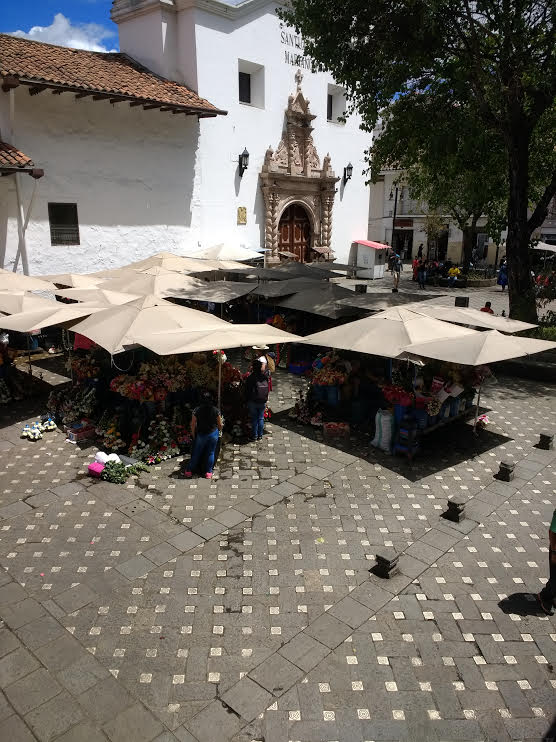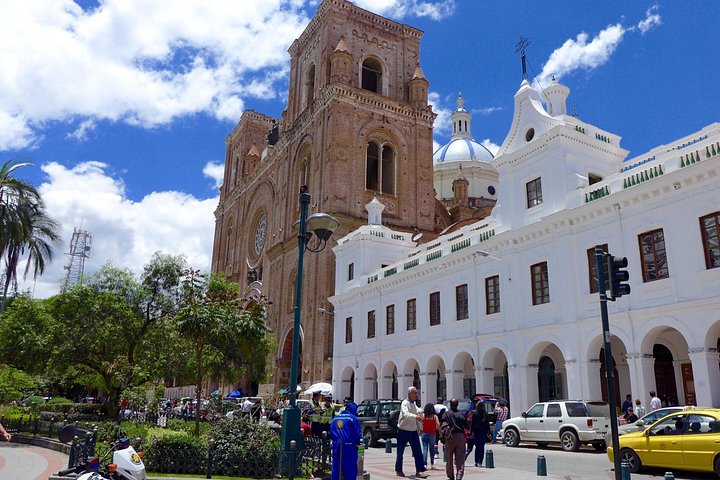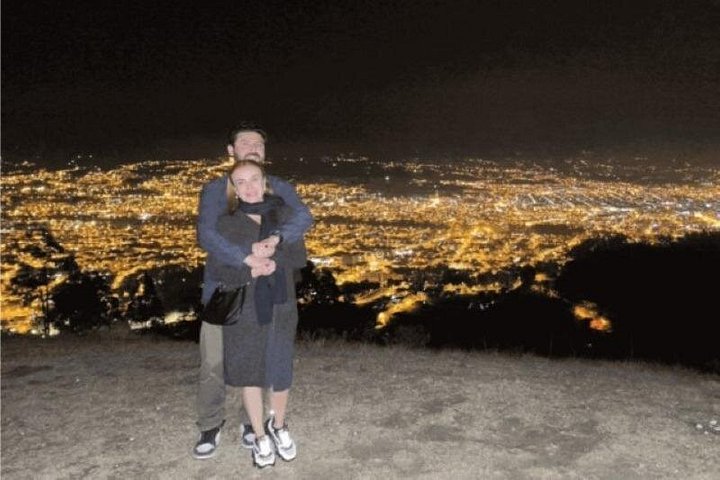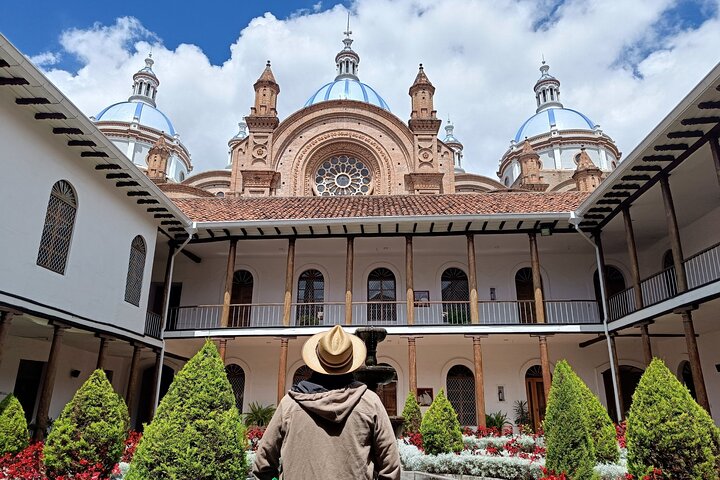
Cuenca's historic center earned World Heritage status in 1999, and a guided walk is the best way to understand why. The grid of narrow streets holds some of the best-preserved colonial and republican architecture in South America, with whitewashed mansions, carved wooden doors, wrought-iron balconies and inner courtyards full of plants. A guide links the highlights: Parque Calderón and the two cathedrals, the flower market at Plaza del Carmen, the bustle of the central markets, quiet convent walls and the edge of the Tomebamba river where houses hang over the water. Along the way you hear about the city's foundation, the French geodesic mission that stayed here in the eighteenth century, the Cañari and Inca roots under the colonial streets, and the craft tradition of hats, ceramics and gold. Walking tours are paced to the altitude, take two to three hours and suit anyone, whether this is your first day in town or your last.
A good guide turns a pleasant walk into a narrative. Cuenca was founded in 1557 on the site of the Inca city of Tomebamba, and layers of history show in the stone. The New Cathedral, with its blue and white domes, dominates the main square, while the smaller Old Cathedral nearby reflects earlier tastes.
Streets around the plaza hold mansions turned into museums, galleries, boutique hotels and cafes. A walk usually includes a stop at the flower market, where the colors and smells show everyday life, and a pause at a viewpoint over the river and the red-tiled roofs.
Local guides add information that signs do not: which house belonged to a hat merchant, why certain doors are painted blue, how the four rivers shaped the settlement, and which bakery has been making the same sweets for generations. They also explain etiquette and safety, and can steer you toward good food stops for later. Tours range from small shared groups to private walks, with private options letting you set a slower pace or add interests such as architecture, textiles or photography.
Practical points are simple. Wear comfortable shoes for cobblestones, bring sun protection and a light jacket, and pace yourself because Cuenca sits at about 2,500 meters. Churches and museums have varying hours, and some close on Sundays or in the middle of the day, so a guide who knows the schedule saves effort.
Start early to enjoy the quiet streets before shops and traffic fill them. A walking tour works best on your first full day, because it provides orientation and a list of places to return to, such as a restaurant, a museum or a craft shop.
Many visitors find that the center is compact enough to explore alone later, using what the guide taught. It is also a gentle way to adjust to the altitude, with plenty of cafe stops and benches in the parks. Combine it with a hat workshop visit or the Turi viewpoint to complete the picture of the city.
A few habits make the walk better. Keep your valuables close in crowded spots, as in any city center, and carry only what you need. Ask the guide about opening days for museums you want to revisit, since several close on Sundays or Mondays. If you enjoy photography, ask for a slower pace at the river edge and the plaza. Most tours end near cafes, so plan to stay for a drink and use the guide's suggestions to shape your next two days.
What to expect
The experience
A guided walk of the compact historic center, covering the cathedrals, plazas, markets and river edge.
Best time
Morning, when streets are quiet and the light is soft.
How long
Two to three hours.
Tips
Wear comfortable shoes, carry water, and keep a light layer. Ask the guide for restaurant ideas.
Quick picks
- Best for
- First-time visitors who want orientation and stories.
- Families
- Kid-friendly if the pace is relaxed; pick a short private route for small children.
- Couples
- Pretty streets, cafes and photo stops.
- Pair with
- The Panama hat workshop and Turi viewpoint.
- Time needed
- Three hours with stops.
Good questions
Is the center walkable?+
Yes. Most sights are within a short walk of Parque Calderón. Expect cobblestones and gentle slopes.
What does UNESCO protect here?+
The colonial street grid, architecture and urban fabric of the historic center, recognized since 1999.
How long is the tour?+
Typically two to three hours, depending on stops.
Do I need to book ahead?+
Booking ahead helps in busy periods, especially for private guides.
Is it suitable for older visitors?+
Yes, with a slow pace and breaks. Ask about the route since some streets are uneven.