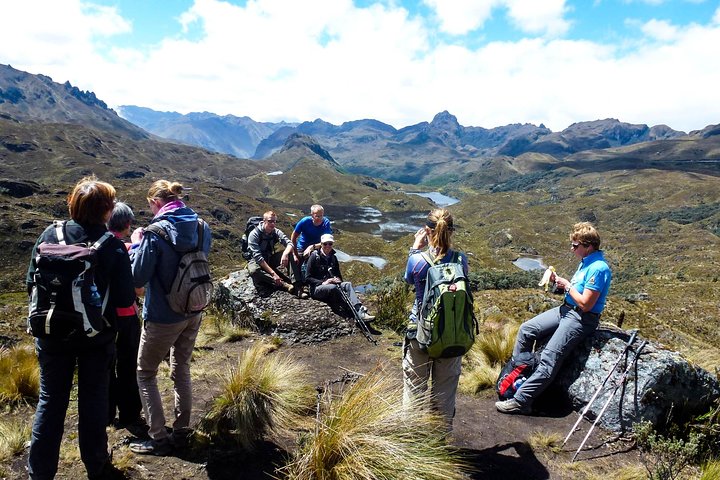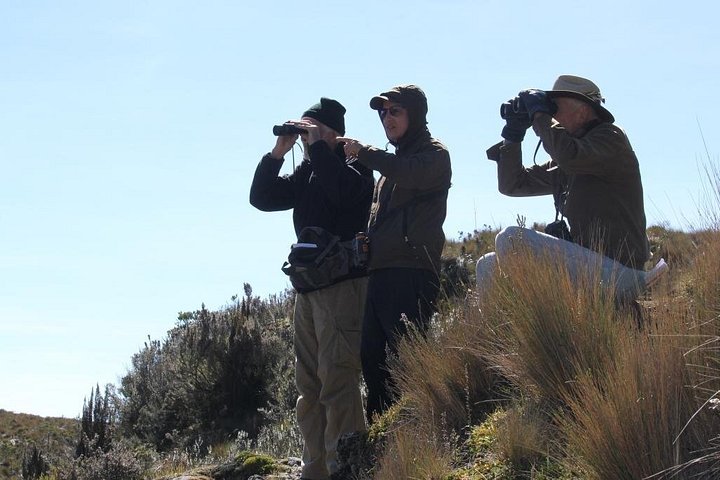
Cajas is one of the best birding regions in southern Ecuador, and a guided day here changes how you see the landscape. Instead of looking at scenery, you look at habitats: the open grasslands where caracaras and ground-tyrants work the tussocks, the lakeshores where ducks and coots drift, the polylepis woodland where tiny tit-tyrants and flower-piercers flit among red bark, and the forest edges where hummingbirds feed on flowering shrubs. Specialist guides carry spotting scopes, know where certain species are reliably found, and can identify birds by call before most visitors have seen anything move. A well-run trip starts early, when activity peaks and the light on the lakes is soft, and ends once the afternoon cloud shuts the day down. You do not need to be an expert. Beginners learn quickly with a patient guide, and experienced birders appreciate the access and the chance to tick Andean specialties without planning logistics themselves. Expect cold, gentle walking, long pauses and an unexpectedly intense sense of attention.
Cajas protects a mosaic of habitats between roughly 3,000 and 4,400 meters, and that variety is what makes its birdlife rich. The high paramo and lakes host specialties such as the Andean Gull, Andean Teal, Carunculated Caracara and Violet-tailed Sylph hummingbird in the forest edge zones, with species lists varying by elevation and season.
The patchy polylepis forest shelters birds that depend on that tree specifically, which is why careful guides spend time there. On a lucky day, an Andean condor may soar along the ridges, though sightings are never guaranteed and a good guide will say so honestly.
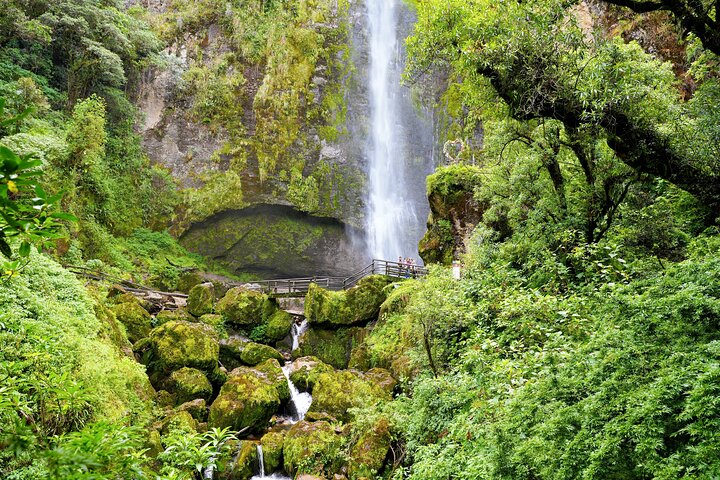
Tours from Cuenca come in several forms. Shorter morning trips target the main lakes around the visitor area, while full-day versions add more remote habitat, including lower forest sections that bring in hummingbirds and tanagers. Some operators offer variants combined with other reserves in the region, which can broaden your list but means more time in the vehicle.
Group size matters in birding
Small groups see more and disturb less, so prefer a small-group or private departure if birding is your reason for coming. Bring binoculars if you own them, since many guides have scopes but not enough pairs for everyone, and a field guide or a bird-identification app downloaded in advance.
Practical points keep the day comfortable. The weather is cold and unpredictable, so layer up and carry waterproofs. Walk quietly, stay on marked paths, and accept that the paramo ecosystem is fragile. Photography is excellent, but patience beats gear: an hour near a flowering shrub often produces more than a day of chasing. Altitude can add fatigue, so pace yourself, eat before you start and keep snacks in your pocket.
If you are traveling with non-birders, a morning trip pairs well with a lazy afternoon back in Cuenca, where the cafes and river walks provide the other half of a good day. Early departures are typical, so plan an early night before, and ask the operator about pickup points in the historic center.
Ethical birding is part of the experience. Good guides keep a respectful distance from nesting sites, avoid playing recordings that stress territorial birds and brief the group on quiet movement. Photographers should resist the urge to crowd a perch for a better angle. If you keep a life list, ask the guide to record sightings with you, and consider sharing them on a citizen-science platform afterward. Even people who arrive without much interest often leave with a notebook full of names, because the combination of altitude, silence and close attention is quietly addictive.
What to expect
The experience
A guided early-morning birding trip in Cajas with a specialist, walking slowly between lakes, grassland and forest edge.
Best time
Early morning, when activity peaks. Dry months give steadier visibility.
How long
Roughly five to eight hours with transport from Cuenca.
Tips
Bring binoculars, layers, waterproofs, snacks and a bird app or field guide. Keep quiet and stay on trails.
Quick picks
- Best for
- Birders and anyone curious about Andean wildlife.
- Families
- Older children with patience enjoy it; very young ones may find the pace slow and the cold hard.
- Couples
- A quiet shared pursuit with a good guide and beautiful morning light.
- Pair with
- A relaxed lunch in the historic center and a walk along the Tomebamba river.
- Time needed
- A full morning, or a full day for the longer version.
Good questions
Do I need to be an expert birder?+
No. Guides adapt to beginners, point out birds and explain habitat. Experienced birders benefit from the access and local knowledge.
Are condors guaranteed?+
No. Condors are sometimes seen along the ridges but never guaranteed. Good guides will say so honestly.
Should I bring binoculars?+
Yes if you have them. Many guides carry scopes, but spare binoculars are limited, especially in groups.
What time does it start?+
Usually early morning, often around dawn or shortly after, so you reach the park when birds are most active.
What else can I see?+
Besides birds, expect glacial lakes, polylepis forest, paramo plants and sometimes wild camelid tracks or small mammals.