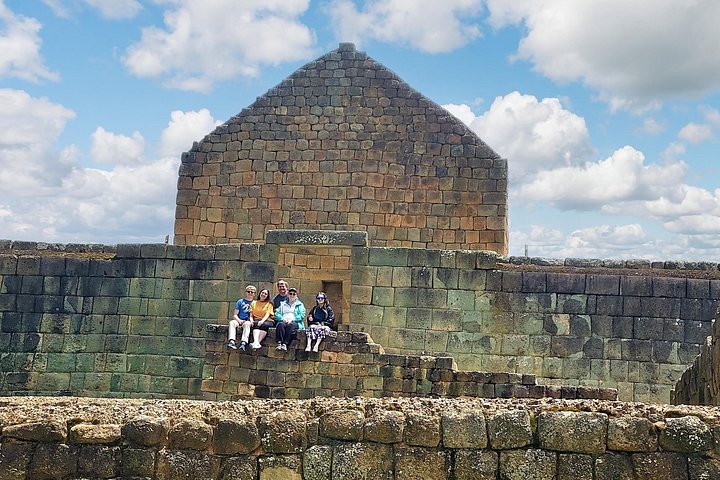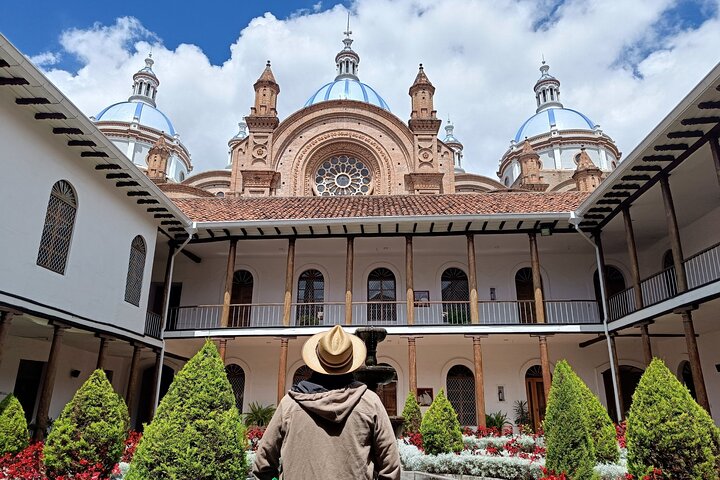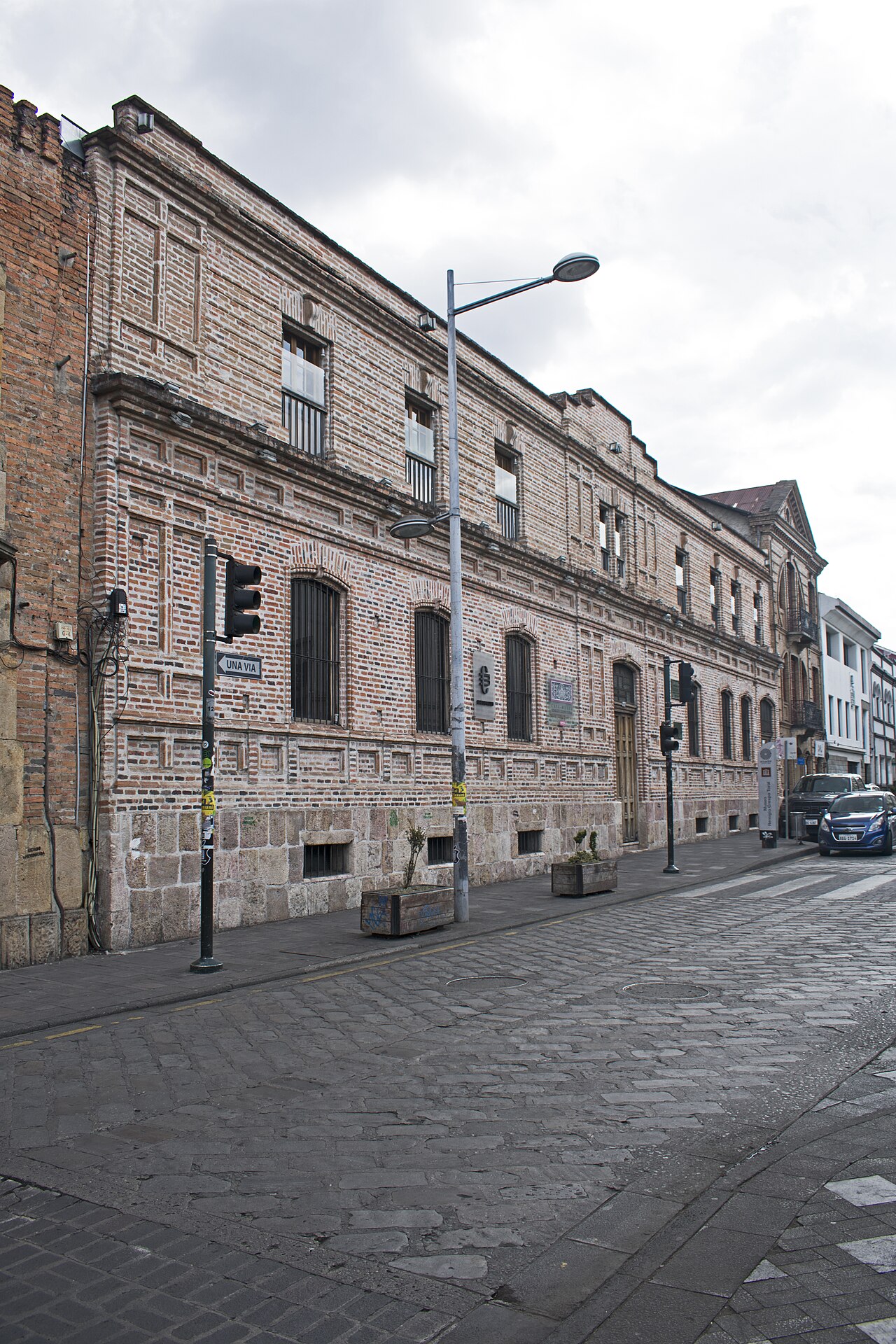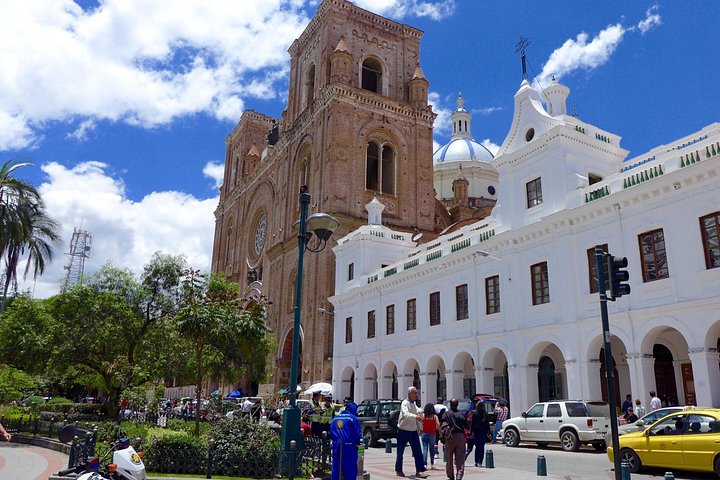
Pumapungo is where Cuenca's deep past becomes visible. Long before the Spanish arrived, this site on the Tomebamba river was part of an important Cañari settlement and later an Inca city that rivaled Cusco in the stories chroniclers told. Today the complex combines a museum with an archaeological park, so you can look at the artifacts and then walk among the excavated foundations, terraces and water channels outside. Inside, the museum displays ethnographic collections that cover the diverse peoples of Ecuador, from highland communities to Amazon groups, with textiles, masks, tools and costumes. The park beyond includes the ruins themselves, medicinal and food gardens, and an aviary and small animal area that older visitors and children both enjoy. It is a quiet, uncrowded place where the scale of the Inca presence in southern Ecuador finally makes sense, and it fits naturally into a morning or afternoon after the colonial sights.
Visiting the park puts the colonial center into context. The grid of Cuenca sits next to the older Cañari and Inca layout, and the stone terraces and walls at Pumapungo show how the Inca built on top of existing settlements. Signage helps, and a guide or audio resource adds detail about religion, agriculture and administration. The botanical areas highlight plants used for food and medicine, which helps make the history feel practical. The aviary shows native birds, and children tend to stay longer than parents expect.
The museum is a good rainy-day option. Exhibits are arranged by regions and peoples, giving a sense of Ecuador's cultural variety beyond the colonial story that dominates the old town. Visitors with an interest in anthropology will find the collections of masks, ceremonial objects and clothing especially worthwhile. Opening hours and the cost of different sections can change, so check at the entrance or with your hotel before you go. Many visitors find the site is free or inexpensive, which makes it a high-value stop.
Allow one to two hours, more if you enjoy museums or wander the gardens. The location is a pleasant walk from the main plaza, downhill toward the river, though the return can be a climb. Wear comfortable shoes, bring water and a hat, and take your time, because the open-air section is large. Pair Pumapungo with a visit to Ingapirca if you want the full picture of the pre-colonial story, since Pumapungo covers the urban side while Ingapirca preserves the ceremonial architecture.
Families, history lovers and photographers will all find something to like, and it is a calm break between days of busy sightseeing. If you only have time for one museum in Cuenca, this is a strong choice, because it connects the city to the longer story of the region and reminds you that Cuenca's history did not begin with the Spanish.
Plan your visit around the weather and the opening hours of each section, since the museum, the gardens and the aviary may follow slightly different schedules. A short guided walk, if one is offered, adds detail about the terraces, the water channels and the plants. Bring a hat and water for the open-air areas, and take your time with the ethnographic halls, where the labels reward careful reading. The site's calm, green setting makes it one of the most restful stops in Cuenca.
What to expect
The experience
A self-guided visit to a museum, archaeological ruins, gardens and an aviary on the river edge of the old center.
Best time
Morning, when it is cool and quiet. Good on a rainy day too.
How long
One to two hours.
Tips
Check opening hours and any fees at the entrance, wear comfortable shoes and bring water.
Quick picks
- Best for
- Visitors interested in pre-colonial history and Ecuador's peoples.
- Families
- The gardens and aviary suit kids well.
- Couples
- A calm, slow-paced outing.
- Pair with
- Calle Larga and the Tomebamba river walk.
- Time needed
- One to two hours.
Good questions
What is at Pumapungo?+
A museum with ethnographic collections, an archaeological park with Cañari and Inca remains, gardens and an aviary.
Is entry free?+
Entry has often been free or low-cost, but check locally for current rules.
How far is it from the main plaza?+
A short walk of about fifteen minutes, mostly downhill.
Is it good in the rain?+
Yes, the museum halls offer plenty of indoor time.
Is it suitable for kids?+
Yes. The aviary and gardens keep children engaged.