Three days is enough to see the best of Cyprus’s south-west coast if you accept that you will choose between the mountains and the sea on the last day. The plan below starts in Paphos, drives east along the coast to Limassol on day two and gives you a choice on day three. It works equally well in reverse if you land at Larnaca and sleep in Limassol first. A rental car makes it easy; without one, swap the coast drive for a bus between the two towns and book a guided tour for the day-three excursion.
Day one: Roman Paphos on foot
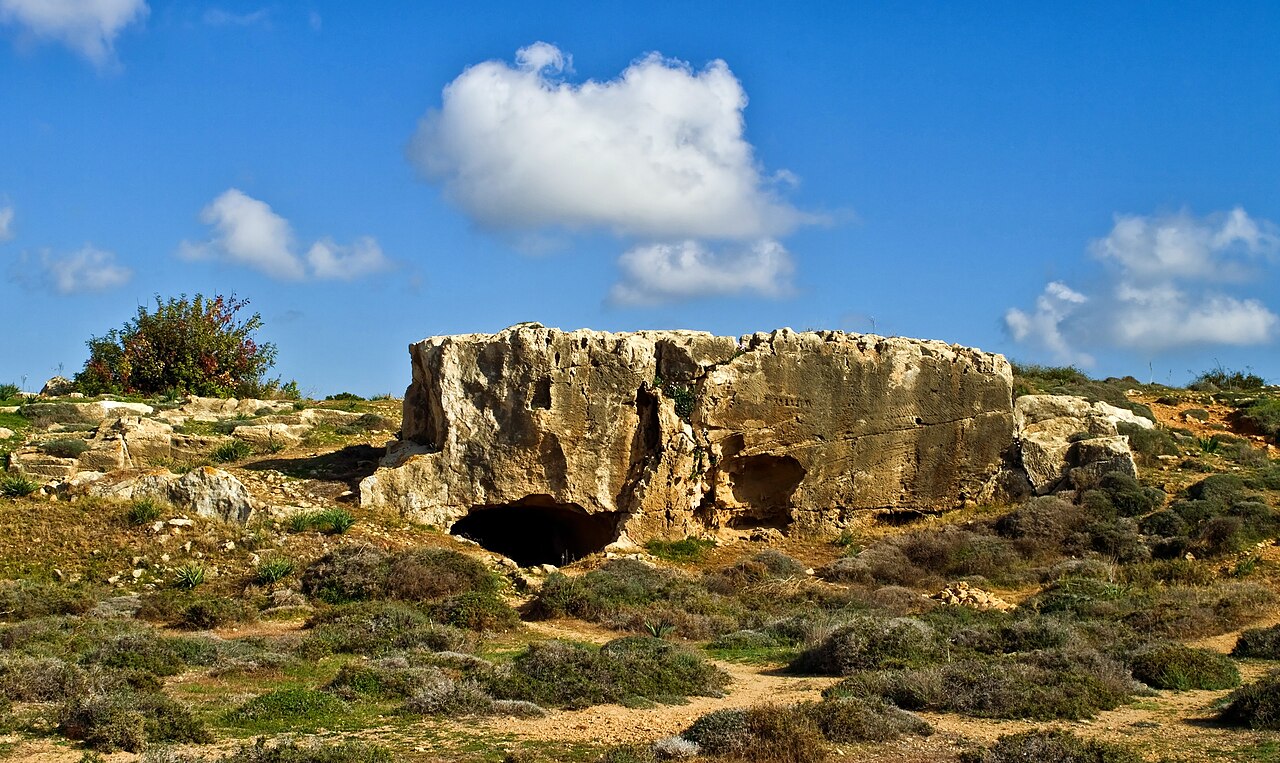
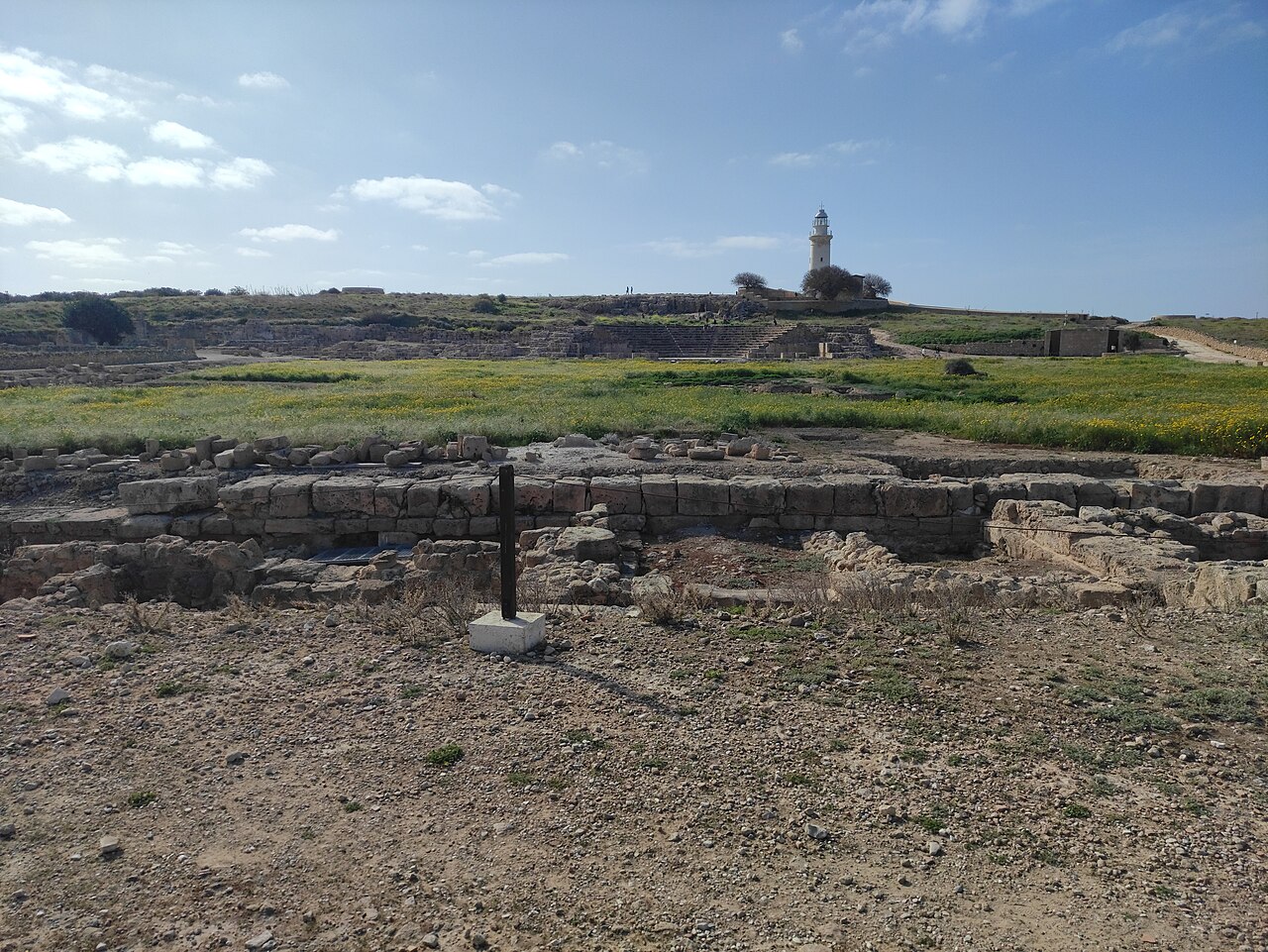
Paphos is a place to spend the morning among ruins, so start early, before the sun gets high. Begin at the Kato Paphos Archaeological Park, a UNESCO World Heritage Site, where the Roman villas keep floor mosaics of Dionysus, Theseus and Aphrodite’s myths in remarkably fresh colour. Allow two hours, bring water and a hat, and look at the Odeon and the Asklepieion on the way out. Walk the few minutes down to the harbour for lunch: grilled fish or a small meze at one of the waterfront tavernas is the classic choice. Climb the little fort at the end of the quay for the view, then spend the late afternoon at the Tombs of the Kings, a vast necropolis of rock-cut tombs with Doric columns, which is at its most atmospheric when the light turns golden. If you have energy left, the Paphos Segway tour is a fun way to see the seafront and old town from a different angle, especially for teenagers.
Day two: the Aphrodite coast to Limassol
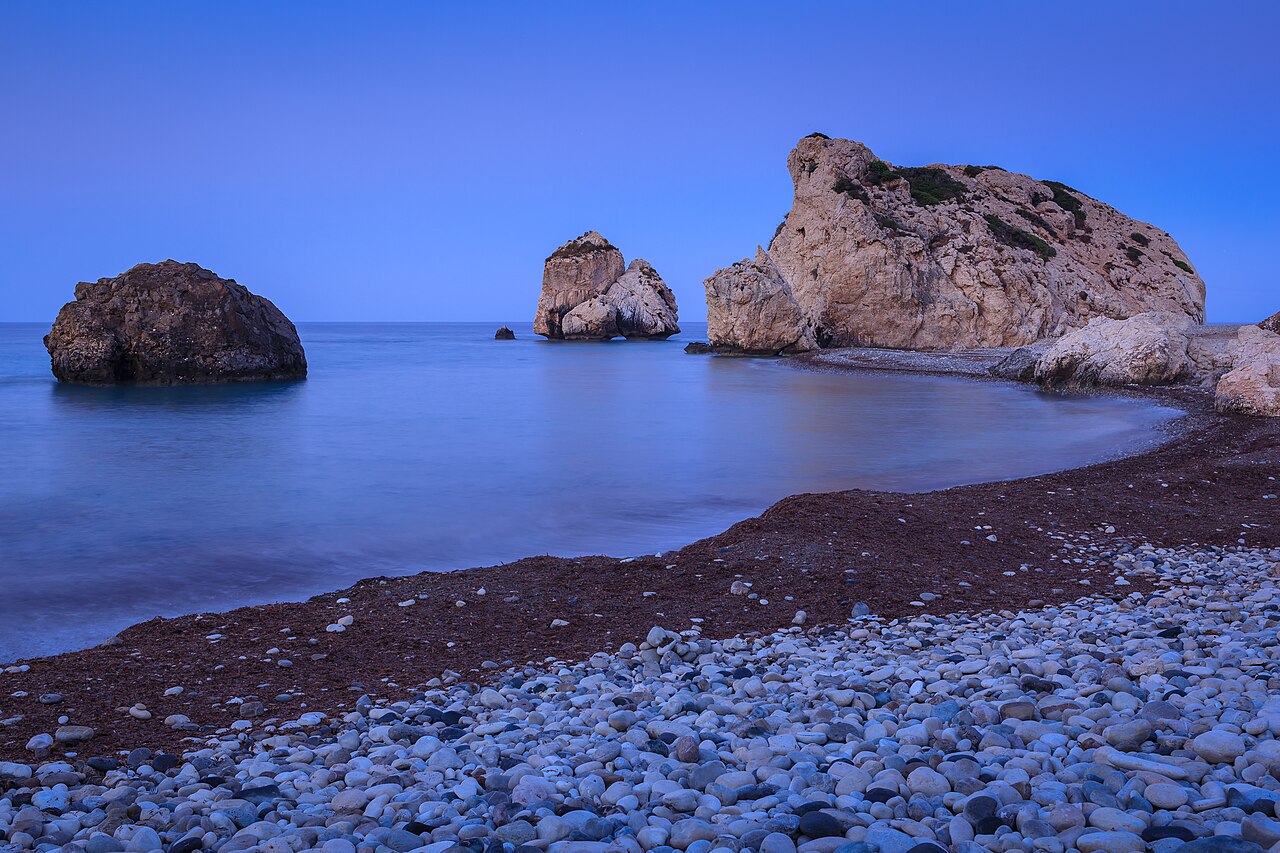
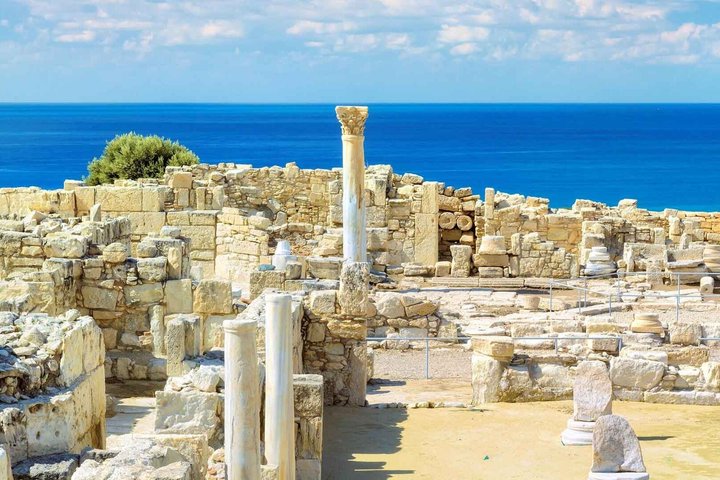
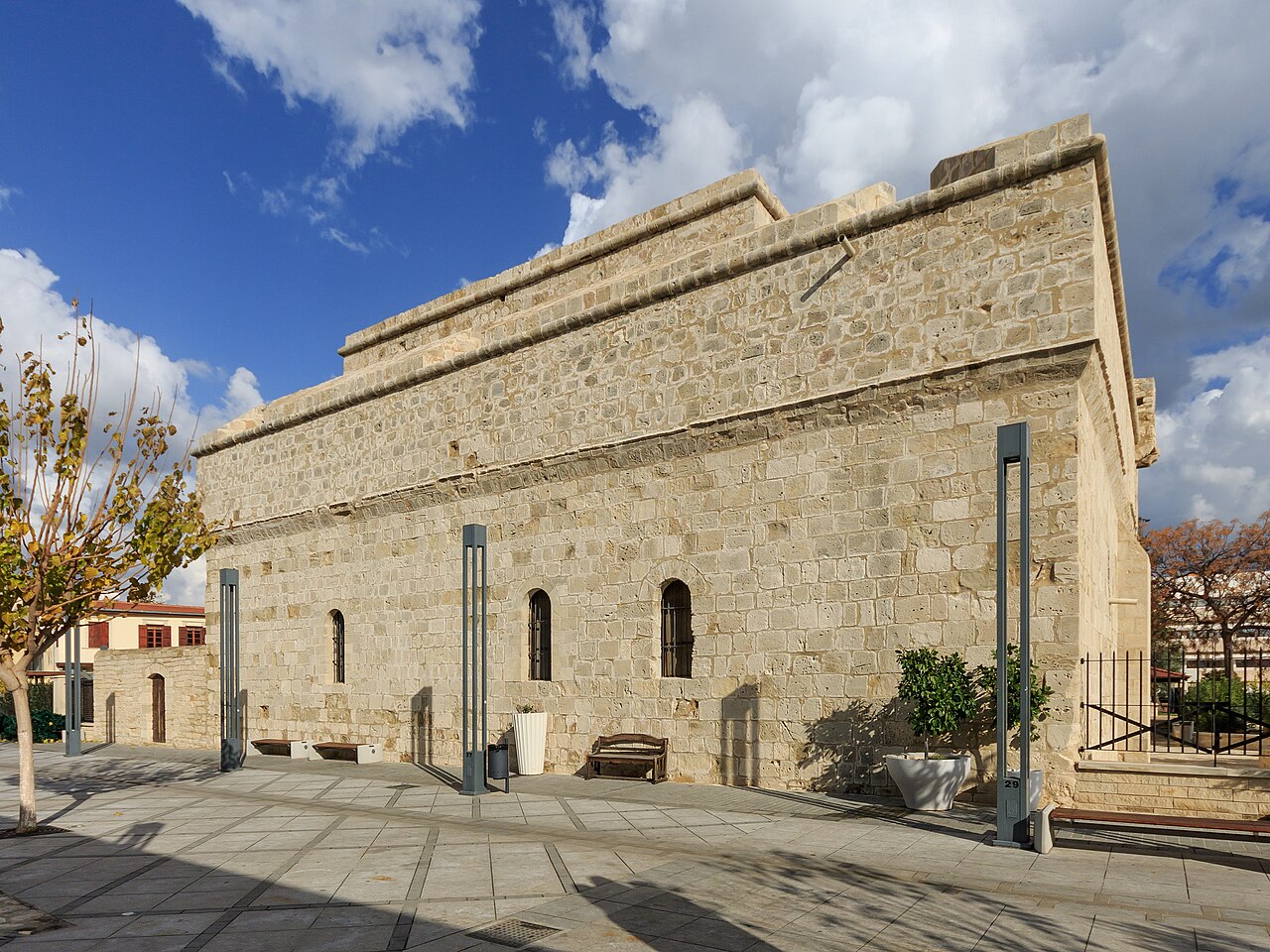
Leave Paphos after breakfast and take the old coast road east. Your first stop, about half an hour along, is Petra tou Romiou, the white sea stacks where legend says Aphrodite rose from the foam. It is free, takes twenty minutes and is best early before tour coaches arrive; use the underpass rather than crossing the road. Continue to Kourion, a hilltop Greco-Roman town above a sweep of bay, famous for its steep seaside theatre and the House of Eustolios mosaics. Give it ninety minutes and bring a hat, since there is little shade. Nearby Kolossi Castle, a compact Crusader tower, is a quick stop on the way into Limassol if you still have time. In the afternoon check in, then visit Limassol Castle and the Cyprus Medieval Museum in the old town, which is small and rewarding, before an evening stroll along the seafront promenade to the marina. Dinner in the old town is the right ending: the streets around the castle are full of tavernas and wine bars.
Day three, option A: Troodos wine villages
If you are a food and wine person, or the weather is hot, head inland. The road climbs from Limassol into the vineyards in about forty minutes. Omodos, with its cobbled square, stone houses and the monastery of the Holy Cross, is the best known of the wine villages, and the surrounding villages make the Cypriot sweet wine Commandaria and local reds and whites. The guided Troodos food and wine tour from Limassol and the Troodos day trip from Paphos both do this well and take the driving off your hands, which matters when wine tasting is involved. Add the monastery of Kykkos if you want a long day in the high mountains.
Day three, option B: the Akamas
If you want the sea or wild landscapes, travel back to the Paphos area for a boat to the Blue Lagoon or a jeep safari through Avakas Gorge and the Akamas peninsula. The boat is gentler and better for swimming in summer; the jeep is better for adventurous teens and shoulder seasons. If you are in Limassol, both trips run from there too, with a longer transfer.
If it rains
Limassol’s Paradox Museum, with its optical illusions and photo rooms, is a good indoor choice for families, and the Medieval Museum and Paphos’s upper town cover a couple of hours each. Rain in Cyprus is short and mostly falls from November to March.
Practical tips
State archaeological sites close early in winter, often by five in the afternoon, so keep Paphos and Kourion for the morning and early afternoon. The two towns are about an hour apart by motorway. Limassol is a better base for nightlife and restaurants; Paphos is calmer and closer to the Akamas. Book tours a few days ahead in spring and autumn, and carry a little cash for small cafés and parking. Dress with shoulders and knees covered in any church or monastery, and keep a small bottle of water in your bag for the ruins, where cafés are few.