Cypriot food sits between Greek and Middle Eastern cooking, with its own strong local character: grilled cheese, charcoal meats, vine leaves, olive oil, lemon and herbs, and a wine culture that stretches back thousands of years. You can eat very well on the Paphos and Limassol coast without a reservation or a big budget, as long as you know what to order. This guide covers the dishes, the drinks and the habits worth knowing.
Start with a meze
The meze is the best introduction to the island’s cooking, and a tavern meze is usually ordered for the whole table. Plates arrive one after another, beginning with bread and dips such as tahini, tzatziki and taramasalata, then salads, olives, halloumi and small hot dishes, and continuing to grilled meats or fish. Most tavernas offer a meat meze, a fish meze and a vegetarian version, and they normally require a minimum of two diners. Pace yourself: it is a long, slow meal, and the early dishes are not the main event. Say when you have had enough, and the kitchen will stop.
Halloumi and the dairy
Halloumi is the island’s signature cheese, made from sheep’s and goat’s milk, sometimes with cow’s milk, and often flavoured with dried mint. It is firm and salty, which is why it takes grilling or frying so well and squeaks slightly when you eat it. You will meet it grilled in a meze, in a breakfast with eggs and tomatoes, and in a sandwich with watermelon in summer, a combination that sounds odd and works well. Anari, a softer whey cheese, turns up in desserts and pastries. If you want to understand the cheese, a halloumi-making workshop in the Troodos is a hands-on way to see it done.
Dishes to order
Souvlaki, skewers of pork or chicken on a charcoal grill, are the everyday favourite, and sheftalia, minced meat in caul fat, are grilled the same way. Kleftiko, lamb slowly baked in a sealed clay oven so tender it falls off the bone, is the classic celebration dish, and afelia, pork braised in red wine with coriander seed, is a village favourite. Koupepia are vine leaves stuffed with rice and herbs, and in winter you may find kolokasi, a hearty stew made with taro root. Near the coast, grilled sea bream, calamari and octopus are common, and the harbour in Paphos is a natural place to eat them. For something sweet, try loukoumades, hot doughnut balls with syrup, or glyko tou koutaliou, preserved fruit served on a spoon.
Wine and Commandaria
Cyprus is one of the oldest wine-making places in the world, and its best-known wine is Commandaria, a sweet dessert wine made from sun-dried grapes in the villages on the southern slopes of the Troodos. Local white grapes such as Xynisteri and red grapes such as Maratheftiko and Mavro also make everyday wines that are well worth trying. The wine villages of Omodos, Vouni and Koilani are lovely places to see how wine is made and to taste in a cellar, and a guided tasting tour from Limassol or Paphos takes away the worry of driving afterward. Choose a small boutique winery for the personal welcome, or a bigger estate for a broader range.
Coffee, beer and spirits
Cypriot coffee is served in a small cup, strong, unfiltered and often sweet; order it metrios for medium sweetness, and let the grounds settle before you drink. KEO and Leon are the local beers, light and cold, and the brandy sour, made with local brandy, lemon and bitters, is the island’s classic cocktail. Zivania, a clear grape spirit, is strong and traditionally drunk in small glasses, so go carefully.
Where to eat
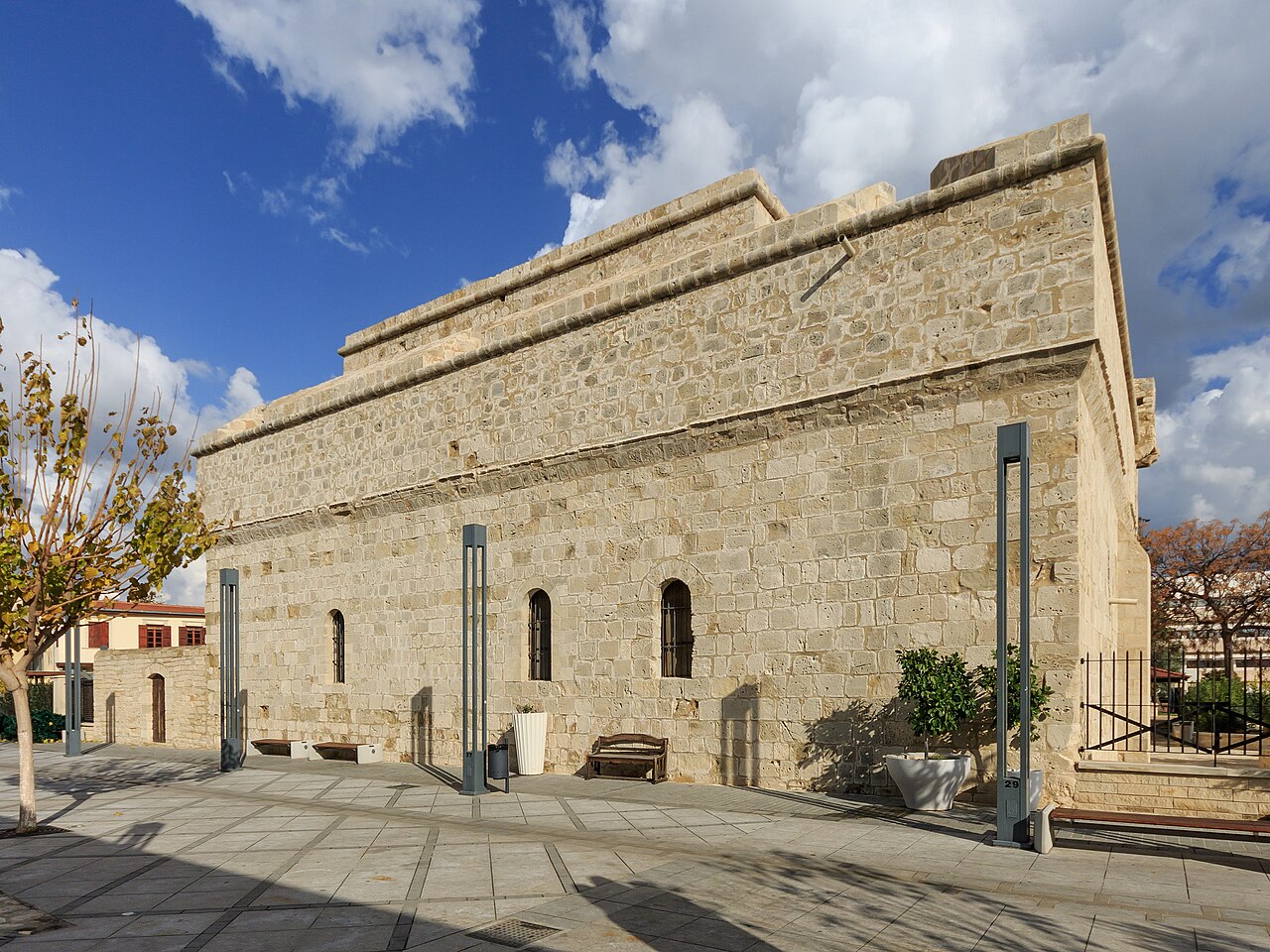
In Paphos, the harbour and the Kato Paphos seafront have the most choice, and the upper town, Ktima, has cheaper and more local tavernas. In Limassol, the old town around the castle has the broadest mix, from traditional taverns to modern wine bars, and the seafront by the marina is lively in the evening. In the mountains, look for a village taverna with a terrace and a short menu; those are almost always the best. Lunch is relaxed and often the best-value meal, and many places serve a set menu.
Practical tips
Cyprus uses the euro and cards are widely accepted, although some village tavernas prefer cash. Tipping around ten per cent is common if service is not already included. Vegetarians do well, with many meze dishes already meat-free, and halloumi is a reliable choice. Dinner starts late in summer, and many tavernas open in the evening only. Reserve ahead for Friday and Saturday nights in summer, and ask for the day’s fish by weight if you want to check the price before it is grilled.