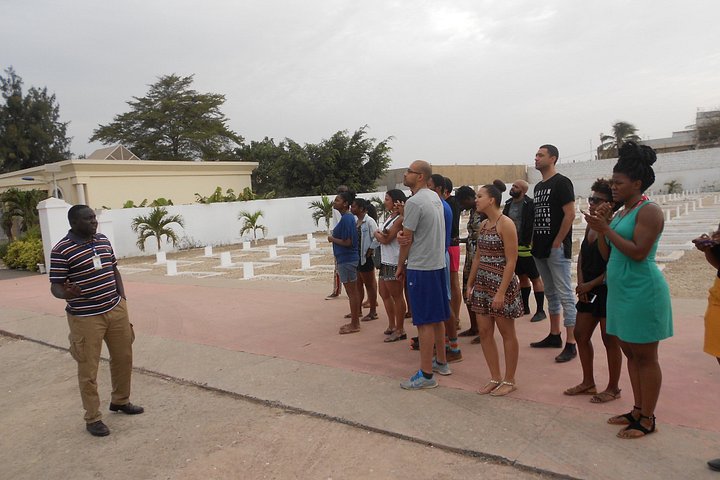
Dakar can be hard to read on a first visit. The city occupies the Cap-Vert peninsula, with the colonial-era Plateau district at the southern tip, the Medina and its markets to the north, and the corniche road running along the western Atlantic shore towards the Mamelles hills and the Almadies. Traffic is heavy at most times of day, and distances that look short on a map can take a long time by taxi. A half-day city tour with a guide and a vehicle solves this problem, because the route is planned around the traffic and each stop comes with context. The tour is sold for a minimum of two participants, which keeps the group small and the schedule flexible, and it works well as a first-day orientation before you decide which neighbourhoods deserve a second look.
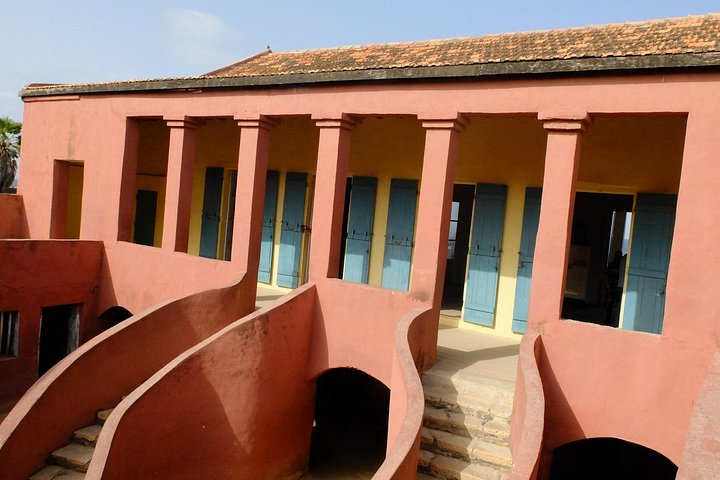
Dakar city tours of this kind generally cover a mix of landmarks, markets and viewpoints, such as the Plateau with its colonial buildings and presidential area, busy market streets, the craft village on the corniche and the hills at the western end of the peninsula. The exact stops differ by operator, so ask which ones are included, and tell the guide what you care about, whether that is architecture, markets, music, modern history or photography. A good guide will also tell you which places deserve more time, which makes it easy to plan the rest of your stay.
There are a few practical points. Dakar is hot for much of the year, so a morning start is more comfortable, and a hat and water are sensible. Markets are lively and can be crowded, so carry only what you need and keep your phone and wallet secure. Ask before photographing people, and expect a polite bargaining culture at craft stalls.
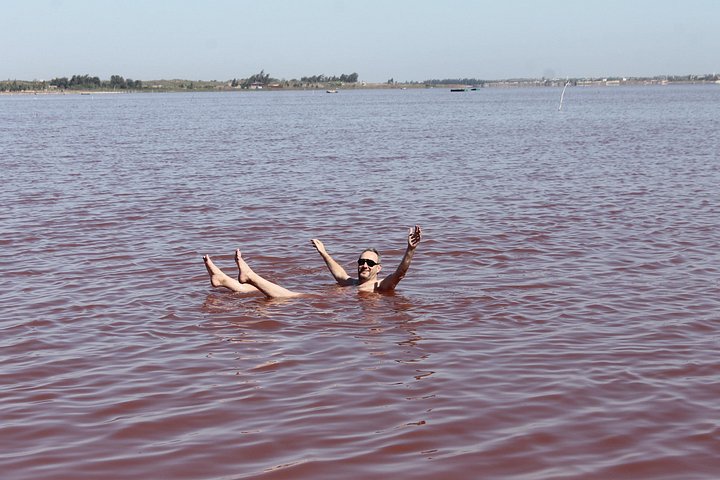
If you prefer to stay out of the busiest areas, say so when you book. After the tour you will know where you want to return, and the same guide or driver can often be hired for another day trip to Lac Rose or the Bandia reserve.
What to expect
The experience
A half-day guided tour by vehicle through Dakar's main districts, with a driver-guide and stops chosen around the traffic.
Best time
Morning, when the air is cooler and markets are in full swing before the afternoon heat.
How long
About half a day, with the exact length set by the operator and your chosen stops.
Tips
Ask which stops are included, carry small notes, keep valuables out of sight in markets and ask before photographing people.
Quick picks
- Best for
- First-time visitors who want to understand how Dakar fits together before choosing where to spend more time.
- Families
- Short stops and air-conditioned travel suit children, though busy markets can overwhelm very young ones.
- Couples
- Ask the guide to end on the corniche or a hilltop viewpoint, and plan sunset for a different day.
- Pair with
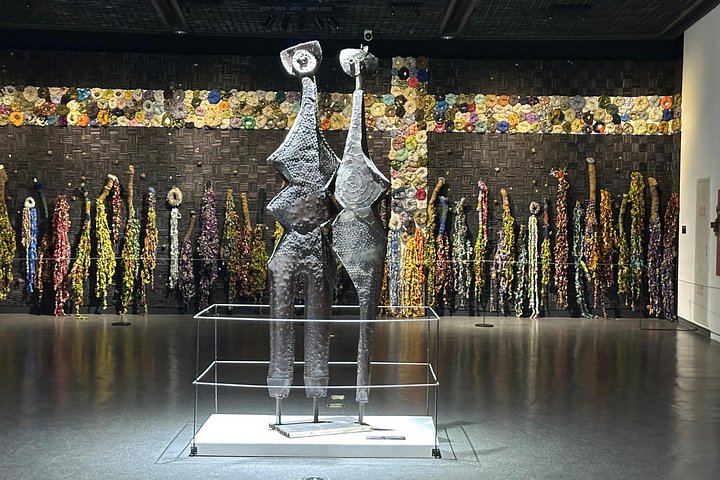
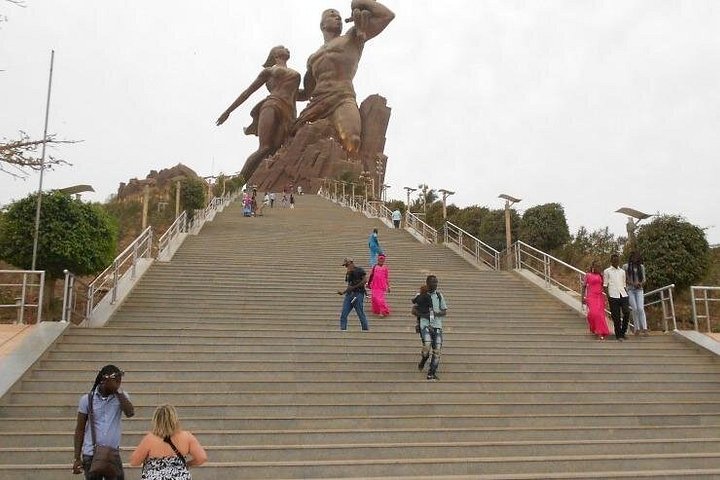
- Gorée Island, the African Renaissance Monument and the Museum of Black Civilisations all make good follow-up days.
- Time needed
- A morning or afternoon, plus a break for lunch.
Good questions
Is a city tour worth it in Dakar?+
Yes, especially on a first visit. Traffic and distances make independent sightseeing slow, and a guide adds context for each district.
How many people do I need?+
The tour is sold for a minimum of two participants. Check the group size and any private options when you choose your date.
What does the tour cover?+
City tours typically combine landmarks, markets and viewpoints, but stops vary by operator. Confirm the route and ask for changes that suit your interests.
When is the best time of day?+
Mornings are cooler and calmer on the road. Afternoons can be hot and traffic builds as the day goes on.
Is Dakar safe for visitors?+
Most visitors have trouble-free trips, using normal city care. Keep phones and bags secure in crowded markets and avoid quiet areas late at night.