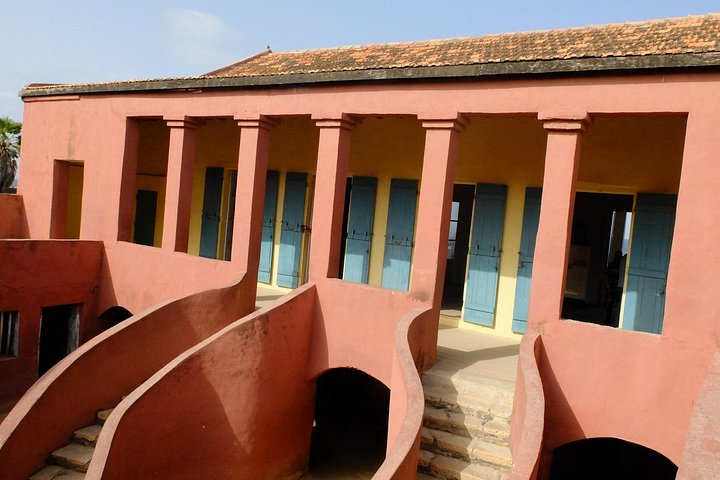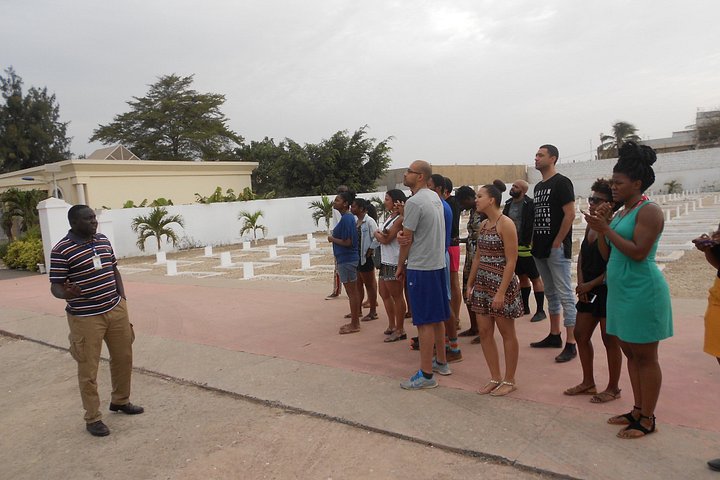
Gorée Island sits a short ferry ride from the port of Dakar, and it is the most visited place in the whole region for good reason. The island is a UNESCO World Heritage Site, no vehicles are allowed, and its pastel colonial houses, bougainvillea and sandy lanes make it feel far from the capital's traffic. It is also a place of deep historical weight, because for generations it was a trading post on the Atlantic route, and the House of Slaves with its Door of No Return has become a symbol of that history for visitors from around the world. A four-hour guided heritage tour is the efficient way to see it. The guide explains what each building was, separates documented history from local tradition, and keeps you moving between the fort, the lanes, the small museums and the waterfront so that you leave with a clear picture rather than a blur of postcards.
The visit usually starts with the ferry from Dakar, which takes roughly twenty minutes and gives a good view of the city skyline and the port. On the island you walk everywhere, so the pace is gentle: sandy lanes, shaded squares, artists selling paintings and jewellery, and small restaurants facing the water. Guides typically include the House of Slaves, where the Door of No Return opens onto the sea, and they are the best people to explain the ongoing scholarly discussion about how many people passed through the island, which is a subject worth hearing handled with care.
The mood of the place is reflective, and many visitors find the quiet streets as moving as the museum rooms.
Practical points make the day smoother. Wear flat comfortable shoes and a hat, bring water and small notes for tips, and expect to do a fair amount of walking on sand and uneven stone. The island is not easy for wheelchair users. One tour description notes that the House of Slaves closes on Mondays, so confirm opening days with the operator when you choose a date, and allow extra margin on the return ferry because crossings can be crowded or delayed.
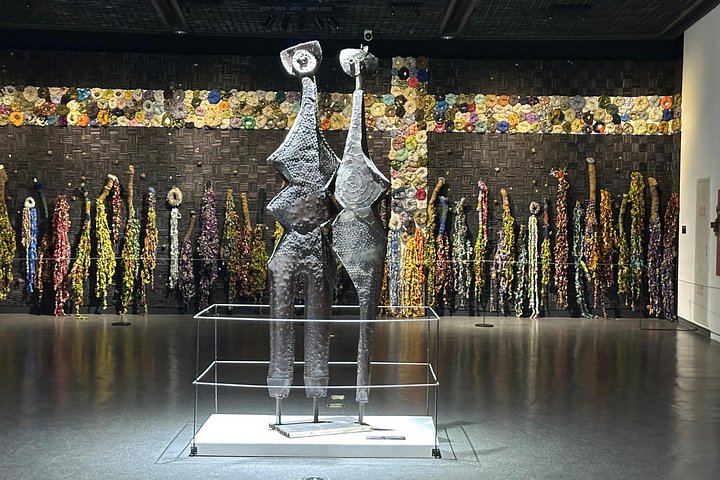
If you want a longer day, combine Gorée with the Museum of Black Civilisations on the mainland, or choose the afternoon tour and finish with sunset on the Dakar corniche.
What to expect
The experience
A guided half-day tour of about four hours that includes the ferry crossing to Gorée and a walk through the island's historic sites.
Best time
Morning departures are cooler, quieter and leave time for lunch by the water before the return crossing.
How long
About four hours including the ferry, with the island itself taking roughly two to three hours.
Tips
Wear flat shoes, carry water and small notes, check opening days for the House of Slaves and leave margin for the return ferry.
Quick picks
- Best for
- First-time visitors and anyone interested in the history of the Atlantic slave trade who wants context rather than a quick look.
- Families
- Older children can follow the story and enjoy the car-free lanes, but the subject is heavy, so choose how much detail to share with younger ones.
- Couples
- Linger over lunch at a waterfront restaurant after the tour, when the island empties a little in the afternoon.
- Pair with
- The Museum of Black Civilisations and the African Renaissance Monument fit a second day, and Soumbédioune is an easy corniche stop.
- Time needed
- Half a day for the tour, or a full day if you want to wander and eat on the island.
Good questions
Is Gorée Island worth visiting from Dakar?+
Yes, it is the most important historical site near the capital and a UNESCO World Heritage Site. It is also a calm, car-free island that makes a welcome break from the city.
How do you get to Gorée?+
A ferry runs from the port of Dakar and takes roughly twenty minutes. Guided tours usually include the crossing, but check that your ticket does.
Is the House of Slaves open every day?+
One tour description notes that it is closed on Mondays, so check before choosing your date. Opening days can change, so confirm with the operator.
How long should I spend on the island?+
Two to three hours covers the main sights with a guide, and a full day lets you eat and wander at leisure. Leave a margin before the last return ferry.
What should I wear and bring?+
Comfortable flat shoes for sand and stone, a hat, sunscreen, water and small notes for tips and snacks. Dress modestly for the memorial sites.