Dakar sits on the Cap-Vert peninsula, the westernmost tip of mainland Africa, and it is a big, energetic Atlantic capital rather than a quiet resort town. It rewards visitors who plan a little. The headline sights are spread across the peninsula and beyond, traffic is heavy, and the best experiences combine history, food, coastline and a day or two outside the city. This guide shows what to book, how to move around and how the sights fit together, with the five places we recommend to stay in our separate where to stay guide.
Book ahead: the short list
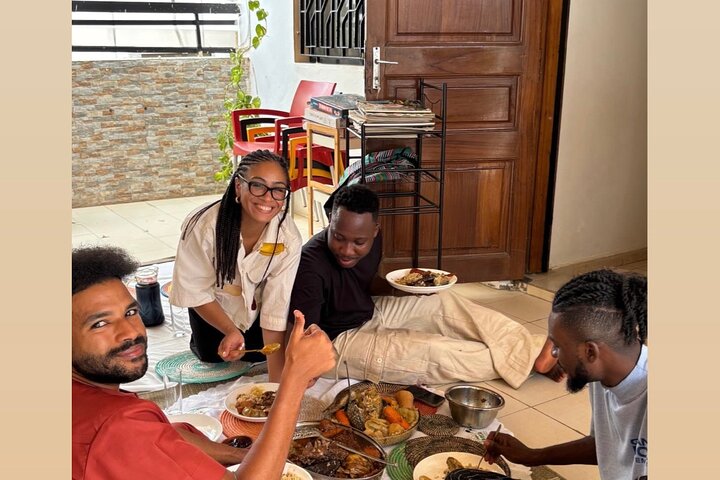
Start with a guided half day on Gorée Island, the most important historical sight near the capital, and choose a date early in your stay so the rest of your plans can build around it. If you like food, a jollof cooking class is the most memorable way to taste Senegal. For orientation, a half-day city tour with a driver-guide saves hours of traffic and explains the districts. The other sights are easy to do independently or with a driver.
How long to stay
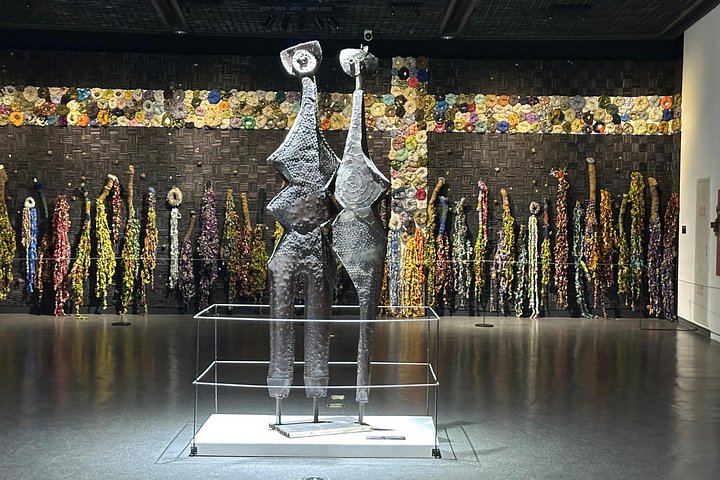
Two days cover the essentials: Gorée and a museum on one day, the monument, the lighthouse and the craft village on the other. Three days let you add a day out to Lac Rose and the Bandia reserve. Four or five days give time for the cooking class, the IFAN museum and slower evenings on the corniche. If you have only one day, choose Gorée in the morning and the Museum of Black Civilisations or the monument in the afternoon.
Where the sights fit
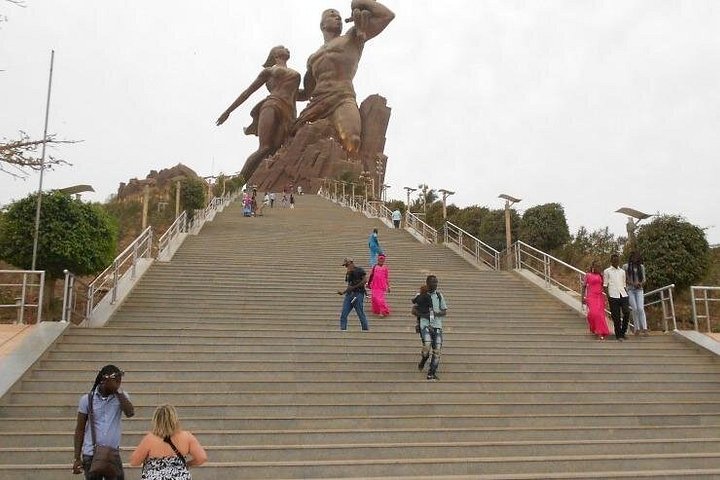
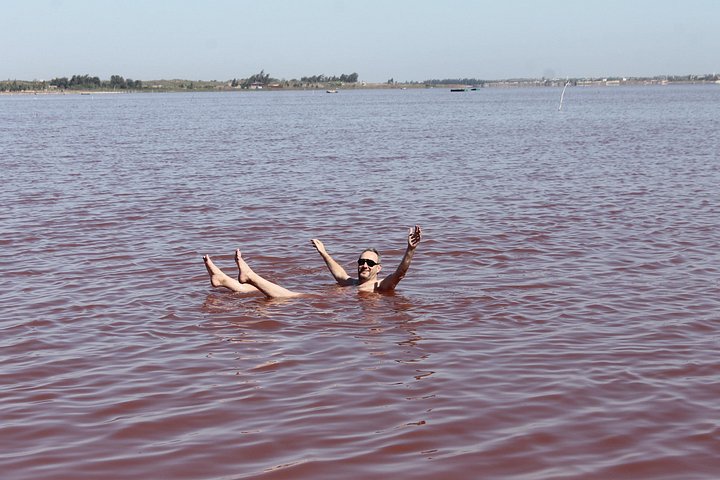
The Plateau, Dakar's historic centre, is the best area for walking, with the IFAN museum, the presidential area, Place de l'Indépendance and the ferry to Gorée close together. The western corniche runs from the Soumbédioune craft village and the Museum of Black Civilisations out to the Mamelles hills, where the African Renaissance Monument and the lighthouse stand side by side. Lac Rose is about 40 kilometres from the city and Bandia Reserve is roughly 65 kilometres away on the road towards Mbour, so each needs a half day or more, and they can be combined in one longer outing with a driver.
Getting around
Taxis are the main way to move between districts, and fares are negotiated before you set off, so agree the price first and carry small notes. Ride-hailing apps operate in Dakar and can make pricing clearer, though availability varies. Walking works within the Plateau. For Lac Rose and Bandia, hire a driver or join a tour, because public transport is slow and confusing for visitors. Allow generous time for any trip across the city, especially at rush hours and on Fridays.
Gorée Island tips
The island is reached by ferry from the port of Dakar, no vehicles are allowed and the lanes are sandy, so wear flat shoes. The House of Slaves is a moving but heavy visit, and one tour description notes that it closes on Mondays, so check your day. Leave a margin before the last return crossing and bring water, sun protection and small notes for tips.
What to wear and how to behave
Dress modestly, covering shoulders and knees, particularly at memorial sites and in more traditional neighbourhoods. Ask before photographing people, bargain politely at craft stalls and keep phones and wallets secure in crowded markets. Tap water is not generally recommended for visitors, so drink bottled water.
When to go
The drier, cooler months of roughly November to May are the most comfortable for sightseeing, while the rainy season from around June to October is hotter and more humid. Lac Rose is at its most vivid under strong sun, and the beaches are at their best in the dry season. Check health and entry requirements before you travel, as they can change.
Where to stay
The Plateau suits walkers and history fans, the Corniche Ouest suits resort-style stays by the sea and the Almadies suit quieter, value-focused bases on the western tip. Our where to stay guide compares five hotels across those areas.