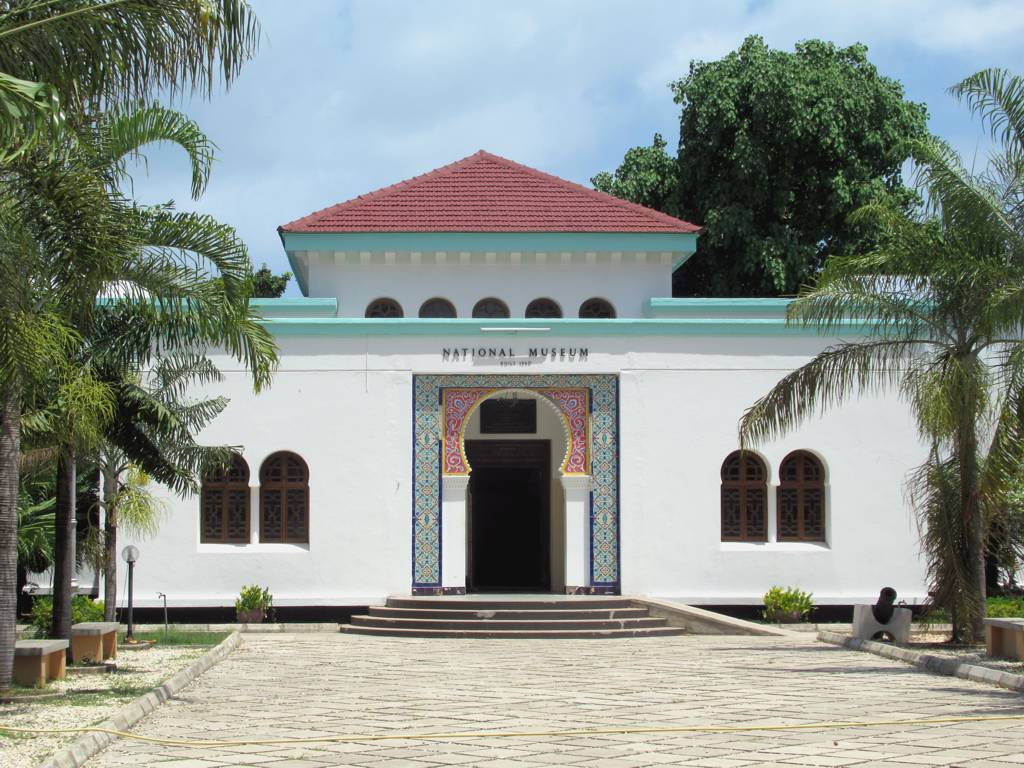
This tour focuses on the heavier and older layers of Bagamoyo. Alongside the old town, it visits the area of the former slave market and the Kaole ruins, a medieval Swahili settlement a few kilometres south of the town, with a ruined mosque and a set of old tombs set among trees near the shore. Together they tell a story that stretches from the thirteenth century trading ports to the nineteenth century caravan trade. It is a thoughtful outing rather than a light one, and a good guide matters. The aim is to understand how the coast connected Africa, Arabia and India, how the slave trade devastated communities in the interior, and how places such as Bagamoyo changed as the trade ended. For those with an interest in history, it is one of the most meaningful days available from Dar es Salaam.
Kaole is the older story. The ruins date from around the thirteenth century, when a Swahili trading community lived here, and they include the remains of a mosque and a series of pillar tombs that are among the oldest on the Tanzanian mainland coast. Archaeologists have found evidence of trade with places as far as China and the Gulf, and the quiet site, set in coastal woodland near a sandy shore, is beautiful as well as significant. Allow time to walk among the stones and listen to the guide.
The slave trade sites in Bagamoyo are more sombre. The town was a main port at which enslaved people, brought on foot from the interior, were gathered before being shipped to Zanzibar and beyond. Guides will show you where markets and holding places stood and explain how the trade operated, how missions and abolitionists reacted and how communities remember it. The experience can be emotional, and visitors should come with respect and an open mind.
A full-day tour typically includes transport from Dar es Salaam, a guide, entry fees and a simple lunch, and it can be combined with the old town sights on the same day. Because the day is long and emotionally full, be sure to wear comfortable clothes, bring water and sun protection, and give yourself a calm evening afterwards.
Ask about group size and language, and consider a private guide if you want to take your time or ask detailed questions. The same practical advice applies as for other Bagamoyo trips: start early, travel in the drier months if possible, and carry small bills for tips and donations. For visitors who choose only one history excursion from Dar es Salaam, deciding between this and the standard Bagamoyo day trip comes down to focus: this one spends more time on the ruins and the slave trade, while the other gives a broader tour of the town.
Allow time to absorb what you see. At Kaole, walk slowly through the ruins, look closely at the carved coral stone and ask the guide to explain how the tombs were built and who is buried there. In town, pause at the sites connected to the slave trade and listen to the stories without rushing.
Consider carrying a notebook or reading a short book on the region before you go, which gives you more questions to ask. Conclude the day with a quiet seafront meal and, if you can, a few minutes of reflection on the sand before the drive back to Dar es Salaam.
What to expect
The experience
A full-day guided tour combining the Kaole ruins with Bagamoyo's slave trade sites and old town, with transport from Dar es Salaam.
Best time
Leave early in the morning. The drier months from June to October are the most comfortable.
How long
A full day.
Tips
Dress modestly, bring water and sun protection, and approach the slave-trade sites with respect.
Quick picks
- Best for
- History enthusiasts and travellers who want a deeper, more reflective day trip.
- Families
- Best for older children and teenagers. Some content is heavy, so prepare them in advance.
- Couples
- A meaningful shared experience with quiet time at the ruins and a relaxed lunch by the sea.
- Pair with
- A beach day or a city museum visit on another day, to balance the mood.
- Time needed
- Allow 8 to 10 hours.
Good questions
What are the Kaole ruins?+
The remains of a medieval Swahili trading settlement near Bagamoyo, including a ruined mosque and old pillar tombs.
Is the tour emotionally heavy?+
It can be, because it covers the slave trade. Guides handle the subject with care, and visitors should come with respect.
Does it include lunch and transport?+
Many tours include both, but confirm with the operator when you book.
How is this different from the standard Bagamoyo tour?+
This tour spends more time on the Kaole ruins and the slave trade, while the standard tour gives a broader view of the town.
Is it suitable for children?+
It suits older children and teenagers. Younger children may find the long day and the content difficult.