Around the harbour in central Dar es Salaam, a cluster of churches, government buildings and merchant houses tells the story of the colonial period in stone and stucco. The most striking are the Roman Catholic cathedral of St Joseph, built by German missionaries at the turn of the twentieth century in a Gothic style, with a tall spire that stands out on the waterfront, and the Lutheran church on Azania Front, a historic landmark with a distinctive tower and red roof beside the harbour. A guided architectural walk links these with the old administrative buildings, the market halls and the more modern towers that have gone up since independence. It suits visitors who enjoy buildings, photography and the stories behind them, and it is a short, undemanding outing that fits easily into a morning.
The German period, from the late nineteenth century until the First World War, left the strongest mark on the harbour area. Buildings from that time often have thick walls, wide verandas, shuttered windows and steep roofs adapted to the climate, and several are still in use as offices, courts or churches. The British period that followed added civil-service buildings in a plainer style, and the post-independence decades brought concrete modernist blocks and, more recently, glass towers. A guide helps you tell them apart.
The cathedral is the best place to start. Its interior is cool and calm, with stained glass, carved wood and a long nave, and visitors are welcome outside service times if they dress modestly and behave quietly. The Lutheran church nearby offers a different style, and the contrast shows how different mission traditions shaped the skyline. Ask your guide about the Askari Monument, the botanical gardens and the clock tower area, which are close by and often included.
This is also a good way to understand the city's layout. The grid of streets near the harbour was planned by the colonial administration, while the dense neighbourhoods further west, such as Kariakoo, grew organically around trade. Seeing both on the same day shows how Dar es Salaam expanded.
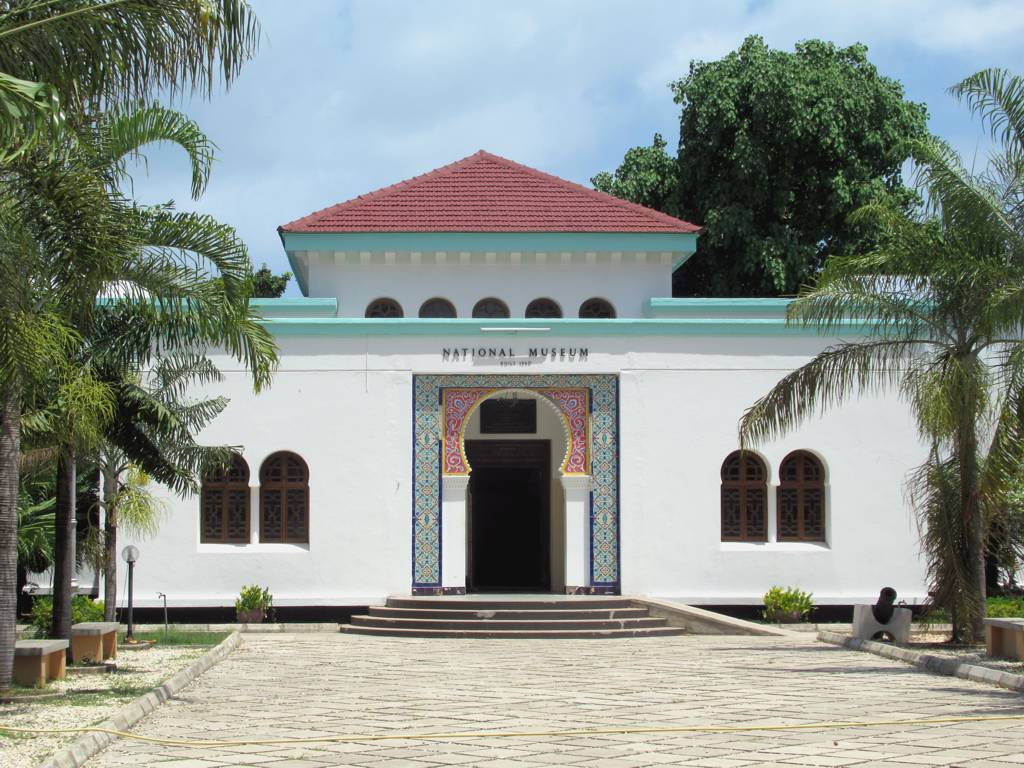
Practical advice is simple. Wear comfortable shoes, carry water and a hat, and avoid the heat of the middle of the day. Ask before entering any place of worship and respect services in progress. Photographing the exterior is usually fine, but be careful around government buildings and the port, where restrictions can apply. Pair the walk with the old town tour, the National Museum or a harbourside lunch, and you have a full and satisfying morning of history in a compact area.
Bring a camera and some patience. The best light for the harbour buildings is in the morning, when the sun picks out details of spires and stucco, and in the late afternoon, when the stone turns warm. Look for the contrast between the thick-walled, shuttered German-era buildings and the plainer British-era structures, and note how the newer towers around them have changed the skyline.
Ask your guide about restoration and what is protected, and whether any buildings are open to visitors on the day. If you enjoy the walk, extend it with a coffee near the harbour and a visit to the National Museum for the story behind the stones.
What to expect
The experience
A guided walk around the harbour district to see German and British-era churches, civic buildings and monuments, with architectural and historical commentary.
Best time
Morning, when it is cooler and quieter. Avoid Sunday service times if you want to enter the churches.
How long
About two hours.
Tips
Dress modestly for church visits, carry water and ask before photographing government or port buildings.
Quick picks
- Best for
- Architecture and history enthusiasts, photographers and first-time visitors who prefer a calm outing.
- Families
- Fine for older children with an interest in buildings. Keep the pace relaxed and take a shaded break.
- Couples
- A quiet, scenic morning that pairs naturally with coffee and a waterfront walk.
- Pair with
- The old town walking tour, the Botanical Gardens and the National Museum.
- Time needed
- Allow about 2 hours.
Good questions
What are the main buildings on this walk?+
Highlights usually include St Joseph Cathedral, the Lutheran church on Azania Front, old administrative buildings and monuments near the harbour.
Can I go inside the churches?+
Usually yes outside service times, with modest dress and quiet behaviour. Ask your guide to confirm.
Is it a long walk?+
No. The route is compact and mostly flat, and it takes about two hours with stops.
Is photography allowed?+
Generally yes for exteriors, but avoid photographing government buildings and port areas without permission.
What is the best time to go?+
Morning is best for comfort and light. Midday is hot and humid.