Tingatinga is one of the most recognisable art forms in East Africa. Bright enamel colours, flat backgrounds and playful animals, from elephants and giraffes to birds and fish, fill canvases that are sold across Dar es Salaam and beyond. The style began in the 1960s in the city, founded by the artist Edward Saidi Tingatinga, and it has since been passed on to a community of painters who continue to adapt it. A workshop lets you learn the story and then try it yourself. An artist introduces the history, the materials and the techniques, and you paint your own picture, usually with guidance on outlining, colouring and finishing. You leave with a unique souvenir and a better understanding of the shops and stalls selling similar work.
The style has several features that are easy to spot once you know them. Backgrounds are painted in a single flat colour, often bright blue, yellow or green. Subjects are bold and simplified, with large eyes, graphic patterns and exaggerated shapes. Outlines are strong, and colours are used generously. Early painters used bicycle paint and masonite boards, and today many use acrylic or enamel on canvas. A teacher will show you how the style came about and how workshops keep it alive.
The class is hands-on and relaxed, and no experience is needed. You usually choose a subject, sketch it lightly, then fill in the colours and details. Expect a friendly atmosphere, plenty of encouragement and the chance to ask the artist about their work and life. The painting may need to dry, and the workshop may help with wrapping so that it travels safely.
It makes a good rainy-day plan or a break from the heat, and it suits families because even children can enjoy copying a simple animal. Couples can make a pair of paintings, and solo travellers will find it a friendly way to meet people. Ask the operator about age limits, group size and whether the class is held in a studio, a cultural centre or a gallery.
If you want to see more, visit the craft shops at the Slipway or in other parts of the city after your class. You will recognise the style, notice differences between artists and understand better how to choose a good piece. When buying, ask who painted it and look for signatures and quality of finish. For many visitors, the finished painting becomes one of the most personal souvenirs of Tanzania, a reminder of a morning when they made something rather than just buying it.
Prepare for the class by browsing a few examples in advance, either at a shop or online, so that you have an idea of the animals and colours you would like to try. Choose a simple subject for your first piece, such as a bird, a fish or an elephant, and focus on bold outlines and a strong background colour.
Ask the teacher to explain how they mix colours and why certain patterns repeat. If you would like to continue after the class, ask where the artists sell their work and whether you can buy brushes and paints to take home. Finished paintings may need a day or two to dry fully before packing.
What to expect
The experience
A guided workshop where an artist explains Tingatinga painting and you paint your own piece to take home.
Best time
Morning or early afternoon, as a calm contrast to busy sightseeing days. It works well on rainy days.
How long
Two to three hours.
Tips
Wear clothes that can get paint on them, and ask how to carry the wet painting home safely.
Quick picks
- Best for
- Families, couples, creative travellers and anyone who wants a hands-on cultural experience.
- Families
- Children can paint simple animals, and the playful style suits all ages. Confirm age limits with the operator.
- Couples
- A relaxed shared activity that ends with a keepsake.
- Pair with
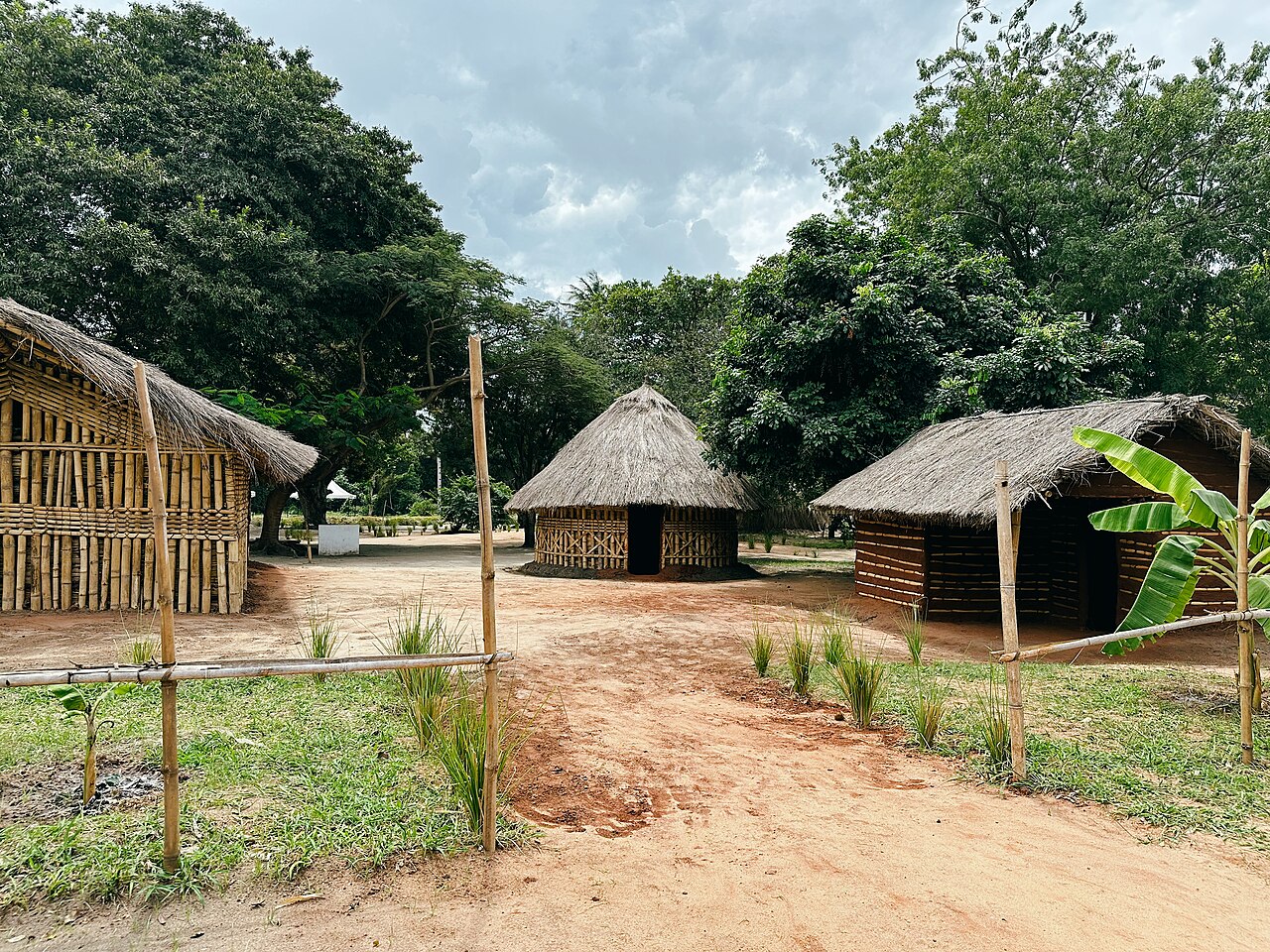
- A visit to the Village Museum or a shopping stop at the Slipway.
- Time needed
- Allow 2 to 3 hours.
Good questions
What is Tingatinga art?+
A bright, playful painting style that began in Dar es Salaam in the 1960s, known for flat backgrounds and bold animals.
Do I need painting experience?+
No. The artist guides you through each step, and the style is forgiving for beginners.
Can children join?+
Usually yes, though age limits vary, so check with the operator.
Can I take the painting home?+
Yes. Ask how long it takes to dry and how it can be packed.
Where can I buy more Tingatinga art?+
Craft shops at the Msasani Slipway and other markets sell the paintings. Look for signatures and quality.