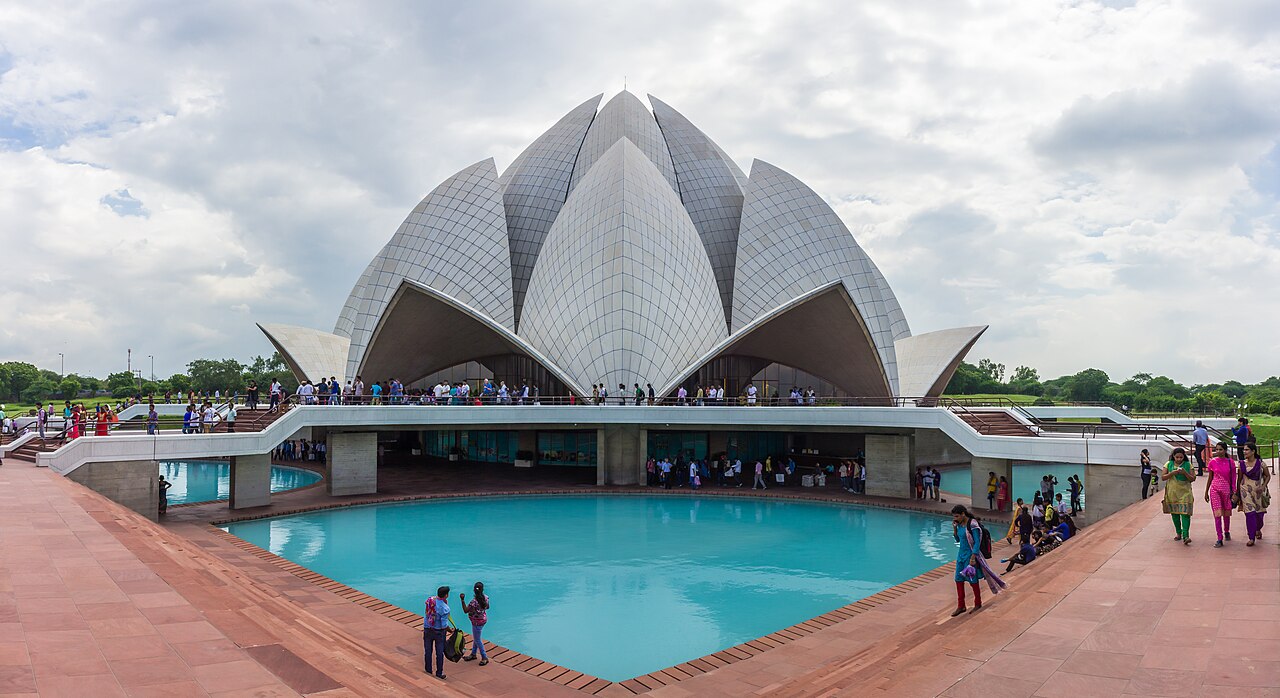
The Lotus Temple is one of the most recognisable modern buildings in India, and it is free for everyone. Completed in 1986 to a design by the Iranian-born architect Fariborz Sahba, this Bahá’í House of Worship takes the form of a half-opened lotus, with 27 free-standing, marble-clad petals arranged in clusters of three around a central hall. Nine pools surround the building, so that the petals seem to float on water, and the gardens around it are neatly kept and quiet. Inside, the experience is deliberately simple. There are no idols, altars, sermons or rituals, and visitors of any faith, or none, sit in silence in a spacious hall under a high dome, reading or reflecting. Prayers and readings from many scriptures are offered at set times. It is a calm counterpoint to the energy of the monuments elsewhere in Delhi, and the graceful geometry is a pleasure to photograph from outside. Many visitors are surprised by how peaceful it is, even when the queue is long, because the silence inside is kept firmly.
How to visit
The temple is in Kalkaji, south Delhi, and the closest metro station is Kalkaji Mandir, about a short walk away. Entry is free, with no ticket, and visitors queue through a security check before walking through the gardens to the building. The temple is closed one day a week, traditionally Monday, and has set opening hours, so check the temple’s visitor page before you go. Queues are longest on weekends and holidays, so a weekday afternoon is easier.
What to expect
You remove your shoes and carry them in a bag provided, dress modestly, and keep silent inside the prayer hall. Photography is not permitted inside the building, though the exterior and gardens are fine. You will stay in the hall for a short time, as visitors enter in groups, and a short introduction to the Bahá’í faith is offered in the information centre. There are no food stalls inside, so eat before or after your visit.
Making the most of it
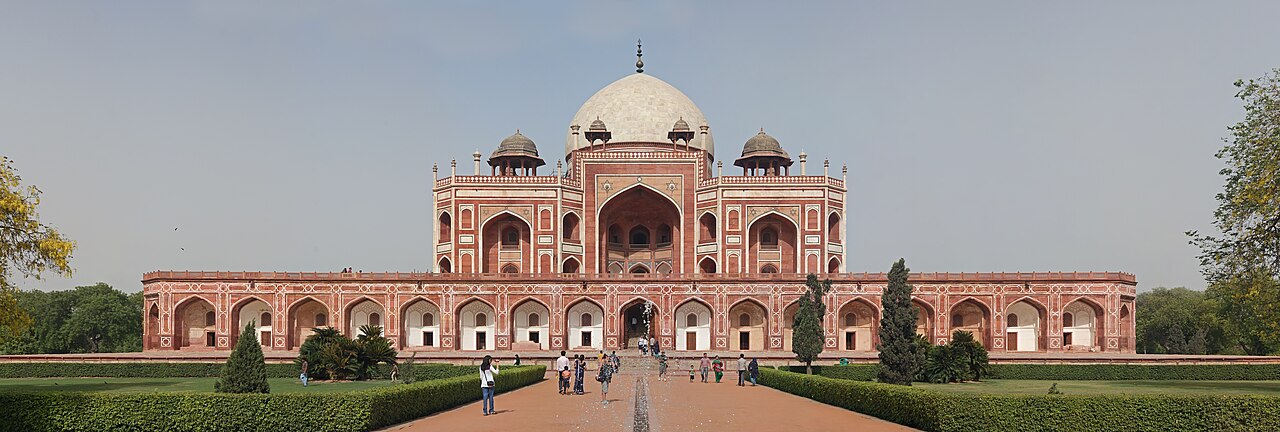
Combine the Lotus Temple with Humayun’s Tomb or Lodhi Garden for a southern Delhi day, or visit late in the afternoon when the marble catches the low light. Come with the right expectations: it is a place of quiet reflection, not a sightseeing show, and children need to be able to stay still for a few minutes.
What to expect
The experience
A free walk through gardens and pools to a marble flower-shaped prayer hall, where you sit in silence.
Best time
A weekday afternoon, when queues are shorter, in the late light for photographs.
How long
About an hour including the queue.
Tips
Dress modestly, expect to remove your shoes, keep silent inside and do not plan on photography indoors.
Quick picks
- Best for
- Architecture fans and anyone seeking a quiet, free moment in a busy city.
- Families
- Free entry suits families, but children must stay quiet inside.
- Couples
- A calm, beautiful stop with gardens for a stroll.
- Pair with
- Humayun’s Tomb or Lodhi Garden for a southern Delhi day.
- Time needed
- An hour or so.
Good questions
Is the Lotus Temple free?+
Yes, entry is free for everyone, with no ticket needed, though you queue through a security check.
Can I take photos inside?+
No, photography is not allowed in the prayer hall. The building and gardens outside are fine to photograph.
Is it open on Mondays?+
It has traditionally been closed on Mondays, but check the temple’s visitor page for current days and hours before you go.
Do I need to be Bahá’í to enter?+
No. The House of Worship welcomes people of every faith and none, who sit in silence in the central hall.
How do I get there?+
The nearest metro station is Kalkaji Mandir, a short walk from the entrance.