Delhi eats seriously, and the city’s food is as layered as its monuments. Mughal court kitchens left behind rich kebabs and slow-cooked meat dishes, Punjabi families who arrived after Partition brought tandoors and butter-rich gravies, and the lanes of Old Delhi still turn out snacks that have changed little in generations. This guide shows how to eat well on a first visit without a stomach upset.
Start in Old Delhi
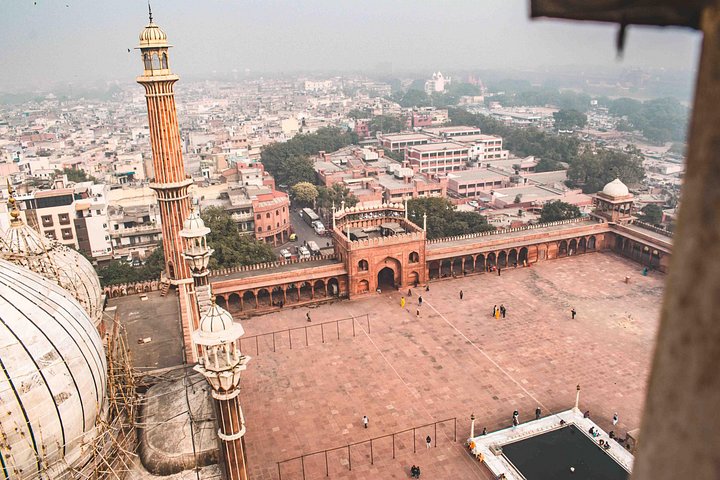
Chandni Chowk and the lanes around Jama Masjid are the heart of the city’s street food. The streets are crowded, but a guided food walk takes the stress out of choosing, because the guide steers you towards stalls with high turnover and explains each dish. Our Old Delhi food tour is the most popular way in and is worth booking a few days ahead. If you would rather eat on your own, go in the morning for fried breads and sweets, and in the evening for kebabs near the mosque.
Dishes to look for
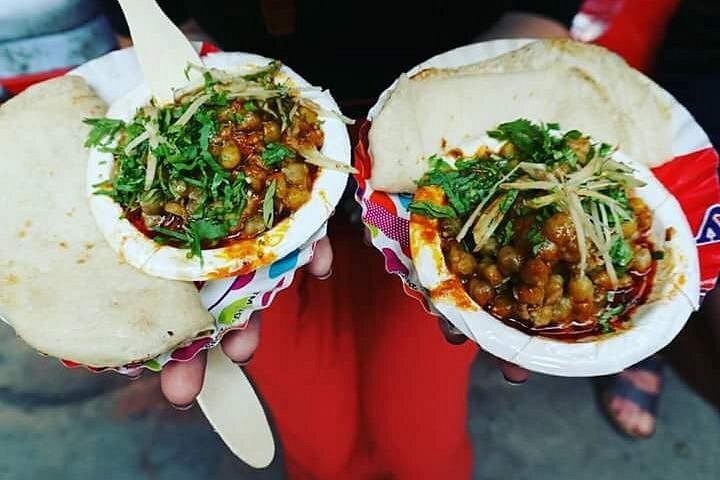
Chaat is the signature snack: crisp pastry or potato topped with yoghurt, chutneys and spices. Parathas, stuffed flatbreads fried in ghee, are a morning staple, and a lane in Chandni Chowk is famous for them. Chole bhature, a spicy chickpea curry with a puffed fried bread, is the classic Delhi breakfast. Kebabs, nihari and biryani speak to the Mughal inheritance, and butter chicken and dal makhani are the Punjabi dishes the world knows as Indian restaurant food. For something sweet, try jalebi, crisp spirals of fried batter in syrup, followed by kulfi, a dense frozen dessert, or a glass of sweet lassi.
Eating safely
Choose busy stalls where food is cooked in front of you and served hot, avoid raw salads and cut fruit you did not see prepared, and stick to bottled or filtered water, checking that the seal is intact. Ice is a risk at roadside stands. Carry hand sanitiser and tissues, and start with milder food for the first day or two. Spice levels are usually adjustable if you ask. Many restaurants, especially those catering to visitors, use filtered water throughout.
What to drink
Masala chai is sold at every corner and made with milk, sugar and spices, and fresh lime soda and sugarcane juice are popular in warm weather, though the latter is best taken from a clean, busy vendor. Alcohol is sold in licensed bars, hotels and some shops, and Delhi observes occasional dry days around national holidays and elections when sales are suspended, so ask your hotel if you have plans.
Cook it yourself
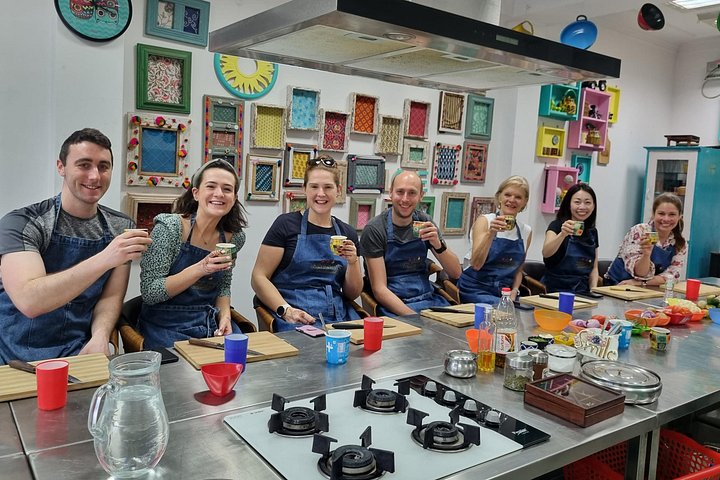
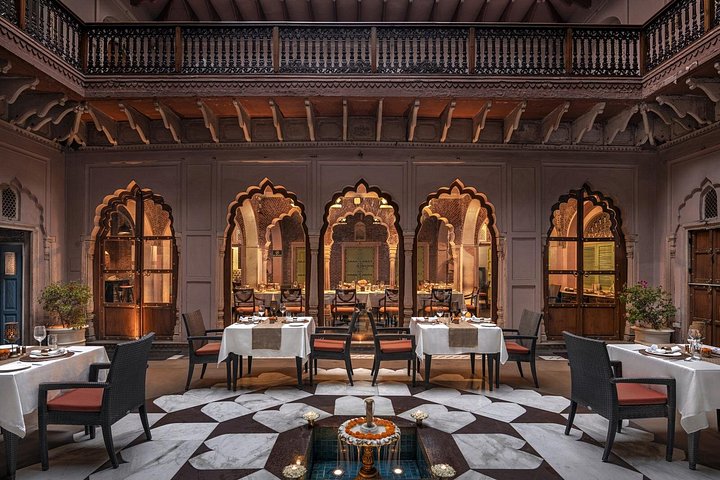
A hands-on cooking class is the best way to understand the flavours, and ours gives you the techniques for classic curries and breads to take home. For a more formal evening, Haveli Dharampura combines a restored mansion with a dinner and Kathak dance performance, and the rooftop restaurant gives views over the old city.
Free food at the gurdwara
Gurudwara Bangla Sahib serves a free vegetarian meal, called langar, to anyone who comes. Cover your head, remove your shoes and sit on the floor with the other diners. It is one of the most moving meals in Delhi, and a donation is welcome.
A day of eating
A sensible first-day plan starts with a paratha or chole bhature breakfast, moves to a light lunch of kebabs or a thali, and keeps the evening for a sit-down dinner of curries, breads and a sweet finish. Mid-afternoon is the time for chai and a small snack. Spreading the day this way gives your stomach time to adjust and leaves room to try more, and it fits neatly around a morning at the Red Fort or Humayun’s Tomb.
Regional range
Delhi is a melting pot, so you can find Rajasthani, Bengali, Gujarati and South Indian food as well as Punjabi and Mughlai. Momos, the steamed dumplings brought by Tibetan communities, are a local favourite, and sweet shops sell seasonal treats during festivals. If you tire of heavy gravies, a simple dosa or a plate of dal and rice is a welcome change.
Practical tips
Eat the main meal of the day at a sit-down restaurant if your stomach is sensitive, and keep street food for the earlier part of your trip when you are fresh. Many Indian restaurants do not serve beef, and most Hindu and Jain visitors are vegetarian, so vegetarian options are excellent. Tipping around ten percent is customary where service is not already added. Keep small notes for stalls and rickshaw drivers.