Delhi is one of the best-value capitals in the world for a traveller, because many of its finest sights are free and the cost of getting around is low. This guide gathers the places that cost nothing or very little, and shows how to spend the money you do have where it counts.
Free temples and sacred places
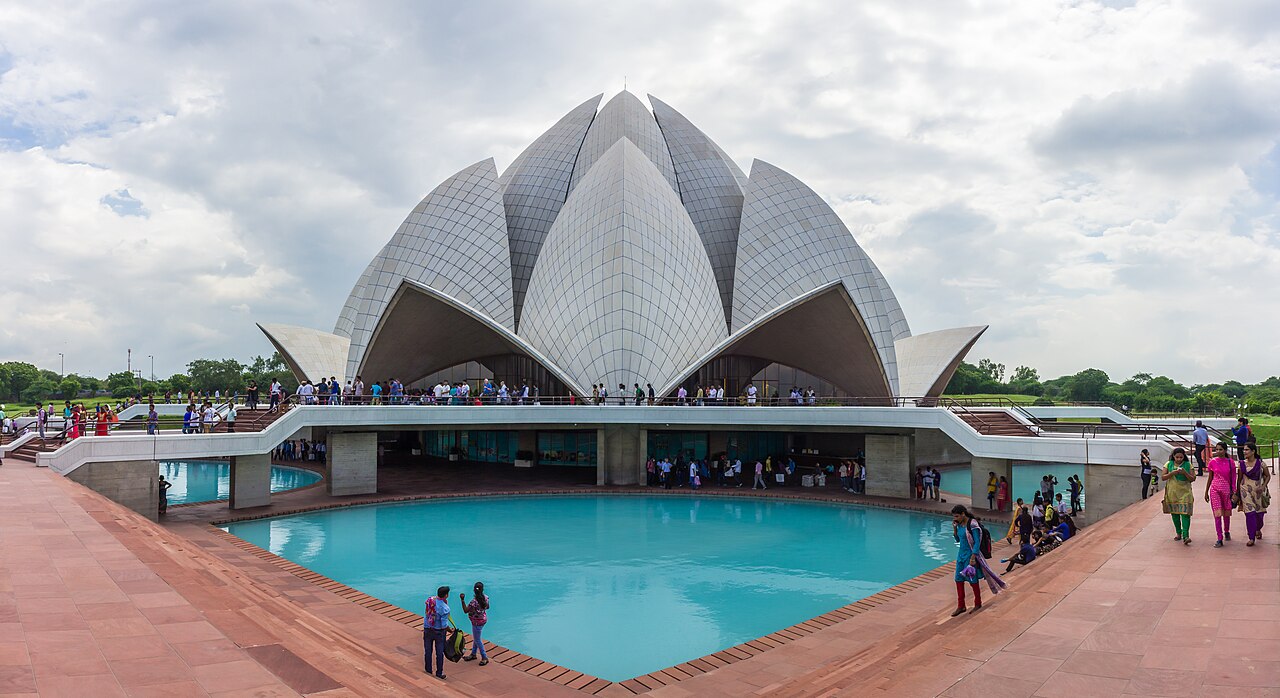
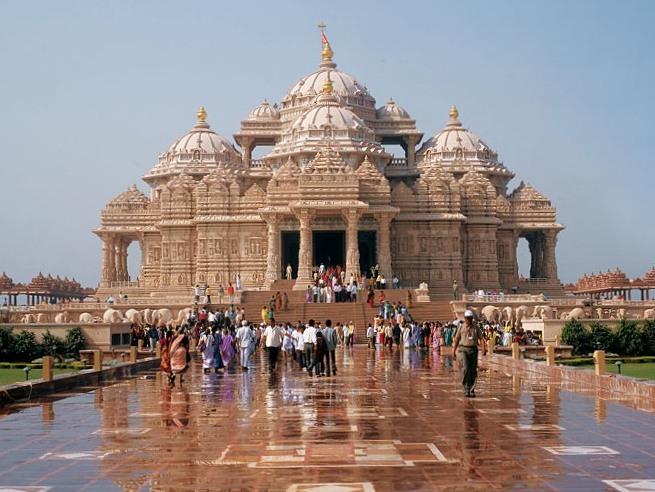
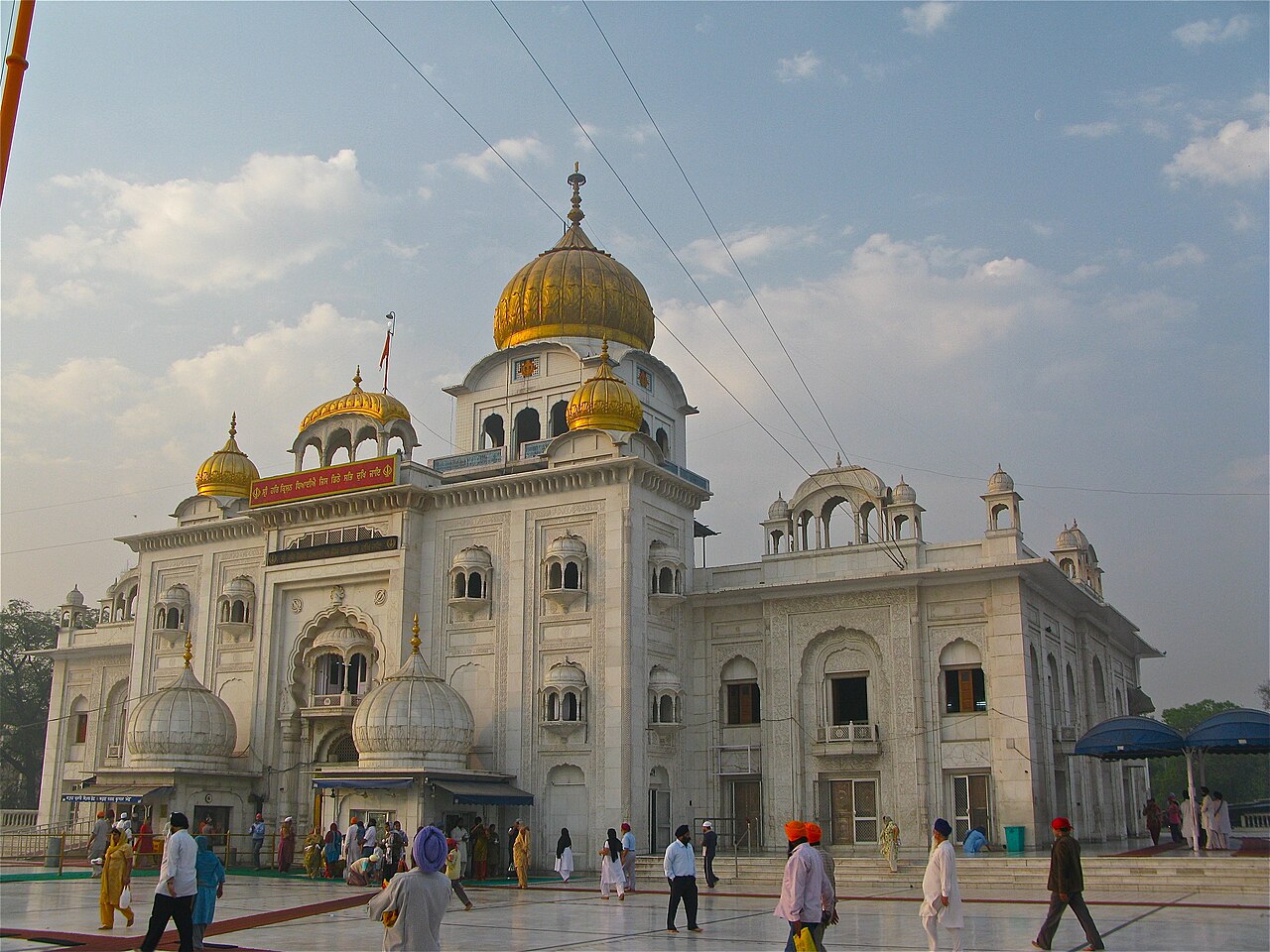
Gurudwara Bangla Sahib, the great Sikh temple in central Delhi, is free to enter and serves a free vegetarian meal to all comers. Cover your head, remove your shoes and wash your feet at the entrance. The Lotus Temple, the Baha’i House of Worship shaped like a lotus flower, is free to enter and welcomes visitors of all faiths for quiet reflection. Swaminarayan Akshardham, an immense modern temple complex, has free entry, though phones and cameras are not allowed inside and it is closed on Mondays; paid exhibitions and the evening water show have their own charges.
Free gardens and open spaces
Lodhi Garden is a free park of fifteenth-century tombs, lawns and flowering trees where Delhi goes to jog, picnic and walk. India Gate and the lawns around it are free to visit and especially lovely in the evening, when families gather and the monument is lit. Sunder Nursery, beside Humayun’s Tomb, is a restored park with heritage monuments and a small entry charge.
Cheap, high-value monuments
Several of Delhi’s great monuments are paid, but still modest compared with many world cities. Humayun’s Tomb, the Qutub Minar and the Red Fort charge foreign visitors a fee that is higher than the local price, but each is a half-day of exploration. The National Museum has an entry charge and is a good rainy-day or smoggy-day choice. Free walks and low-cost tours come and go, so check current details before you book.
Getting around cheaply
The Delhi Metro is clean, air-conditioned and inexpensive, and it reaches most major sights. Use it for the long journeys and take app-based taxis or auto-rickshaws for short hops, agreeing on the price or using the meter before you start. Cycle rickshaws are a fun and inexpensive way through the lanes of Old Delhi, though you should settle the fare in advance.
Eating cheaply
Street stalls, simple vegetarian restaurants and the free langar at Bangla Sahib stretch a budget a long way. Eat where locals queue, drink bottled water and be sensible about hygiene; see our food guide for what to try and how to eat safely.
A free day plan
Start at Lodhi Garden in the cool early morning, walk to Sunder Nursery and Humayun’s Tomb if you want one paid sight, take the metro to Bangla Sahib for the temple and langar at midday, and spend the late afternoon at India Gate. Finish with the Lotus Temple if the day allows and it is open.
Where to splurge
Spend on a good guide for the Red Fort, Humayun’s Tomb or an Old Delhi walk, because context transforms the experience, and on the Taj Mahal, which is worth every rupee. Save on hotels by choosing a simple guesthouse or budget hotel near a metro station.
Free evenings and festivals
In the cooler months, India Gate and the parks fill in the evening with families, kite flyers and ice-cream sellers, which is a pleasure that costs nothing. Festival periods such as Diwali bring lights, markets and street food to many neighbourhoods, and the Republic Day and Independence Day celebrations draw crowds to central Delhi. Plan around road closures if you go.
Saving on guides and transport
Look for group tours and walks with small fees rather than long private days, and use the metro for most journeys. A prepaid metro card avoids queuing for tokens at busy stations. Ask your hotel about fair taxi fares and pay with small notes. Avoid anyone who tells you a sight is closed and offers an alternative.
Practical tips
Carry small notes, keep a scarf for temples, check each site’s closing days, and avoid people who offer unsolicited help near stations and attractions. Budget travellers do well to visit in the shoulder months, when hotel rates are lower.