Delhi has three distinct seasons and a fourth, shorter one in between. The best time to go depends on whether you value comfortable weather, fewer crowds or lower prices, and on how well you cope with heat, rain or poor air. Here is what to expect, and how to plan around it.
October to March: the best window
The cooler months are the classic time to visit, with sunny days, mild afternoons and cool evenings, and they are the only months when sightseeing all day on foot is comfortable. The compromise is that this is also the busiest and most expensive season for hotels, so book early, especially around the end of December and any major festival. Early mornings in December and January are cold and can be foggy, so bring a warm layer, and fog sometimes delays trains and flights.
The smog problem
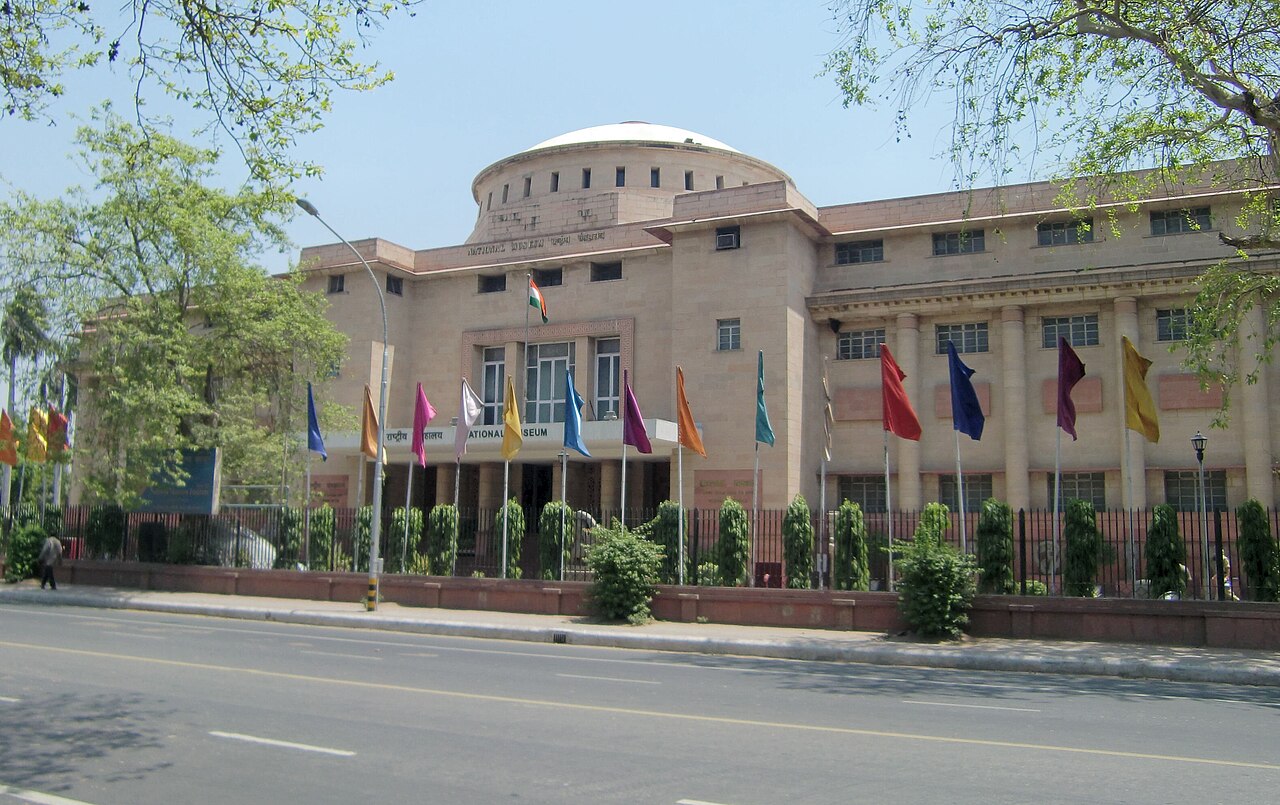
From late October through the winter, Delhi’s air quality can fall sharply, with smog hanging over the city for days at a time. It is worth checking an air quality app each morning. If you are sensitive to pollution, carry a good mask, plan indoor sights such as the National Museum on bad days, and consider travelling in February or March, when the air is generally clearer and the weather is still pleasant. Travel plans that depend on a Taj Mahal sunrise can also be affected by haze and fog.
April to June: hot, and then hotter
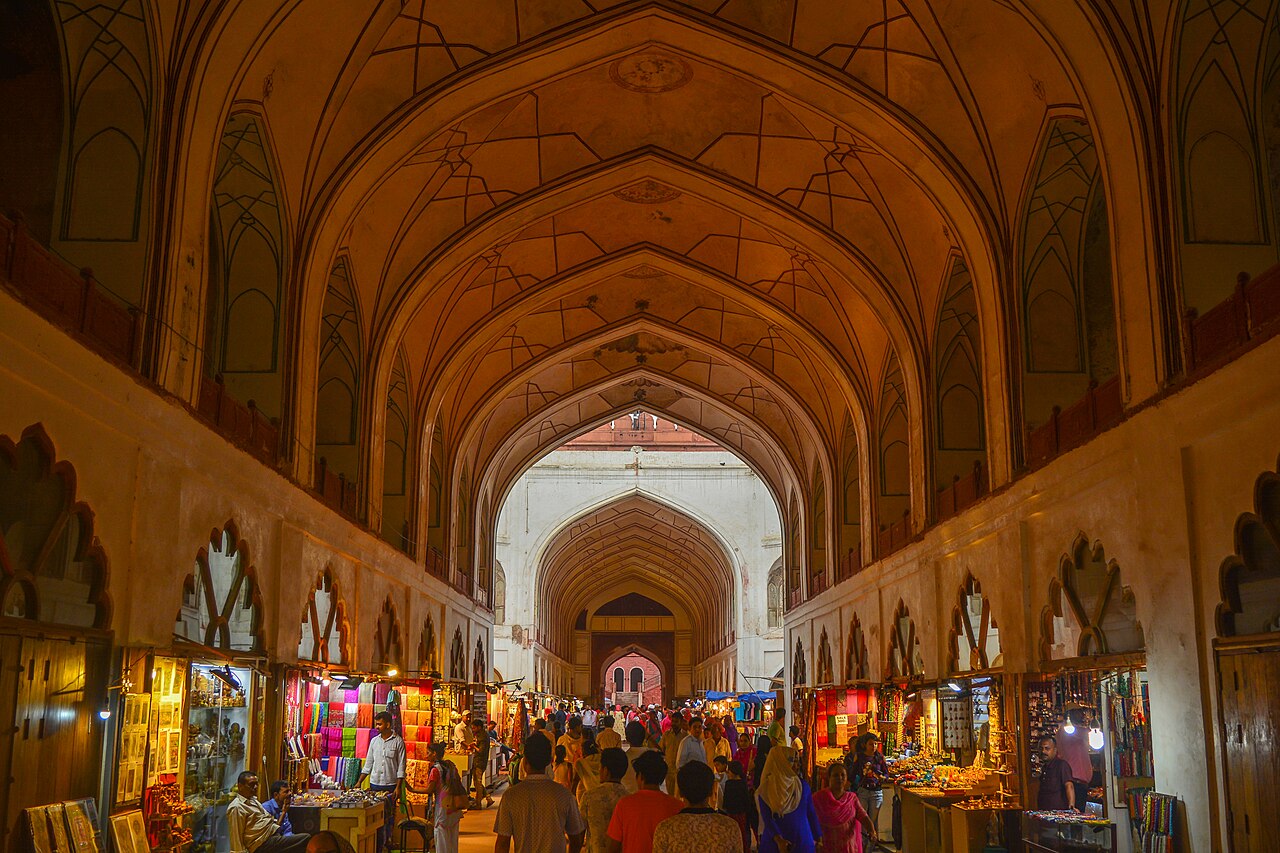
Spring is short, and by April daytime temperatures climb steeply, reaching extreme heat in May and June. If you travel then, do your sightseeing early, rest in the middle of the day and finish in the evening when the monuments are lit. Carry water, wear a hat and use sunscreen. Prices fall, crowds thin and the big sights are easier to enjoy, but the heat can be punishing at open-air sites such as the Red Fort and the Taj Mahal.
July to September: the monsoon
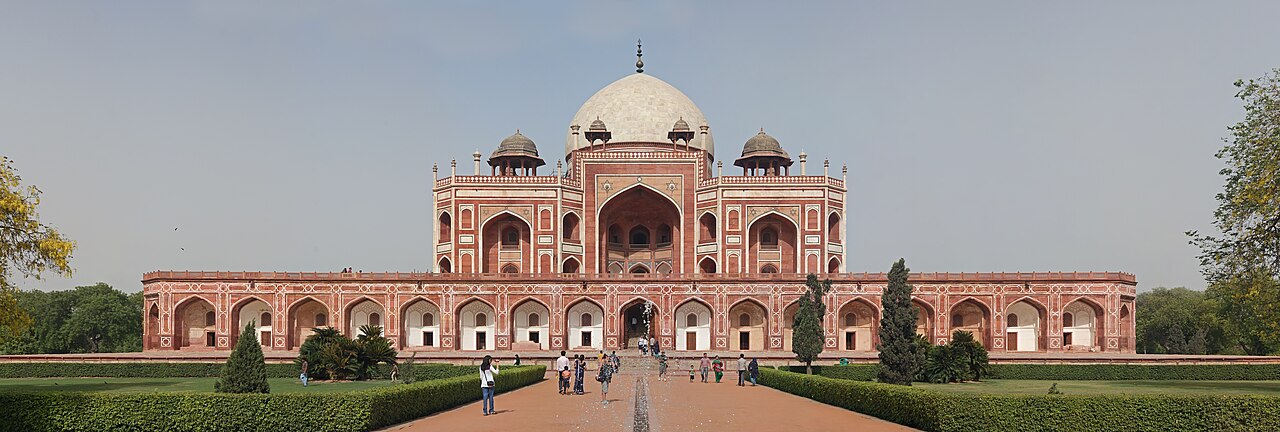
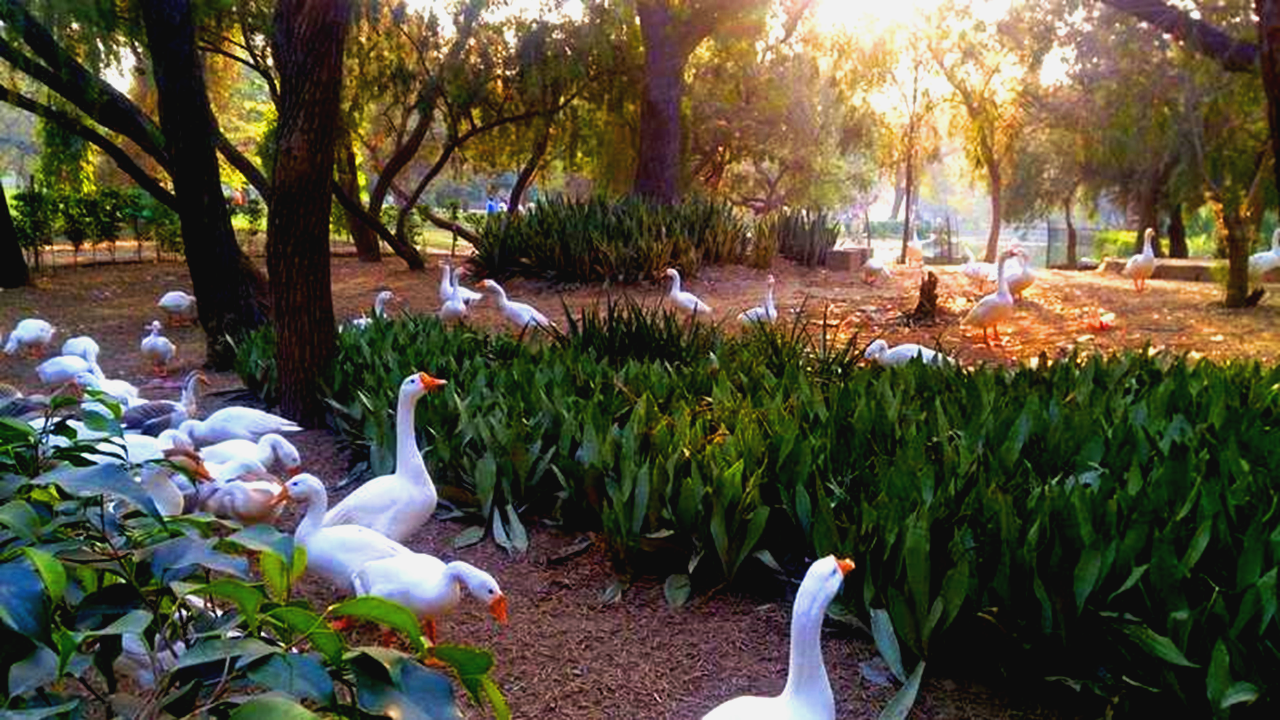
Rains arrive in July and bring humidity, sudden downpours and some flooded roads, though they also turn the city’s parks and tombs green. Rain can interrupt outdoor plans, but between showers it is a quiet time to visit, with the lowest hotel prices. Lodhi Garden, Sunder Nursery and Humayun’s Tomb look their best then. Pack a light waterproof and shoes that can get wet.
Festivals worth planning around
Holi brings colour and crowds in March, Diwali lights the city in October or November, and Independence Day on 15 August and Republic Day on 26 January bring ceremonies, parades and road closures near India Gate and the Red Fort. Diwali is a wonderful time to be in Delhi, but air quality is often poor afterwards, and hotels and trains book up.
Weekly closures to remember
Whatever the season, the Taj Mahal is closed every Friday and Swaminarayan Akshardham is closed on Mondays. Humayun’s Tomb and the Qutub Minar are open daily, and the Red Fort is open daily too. Check these before you fix your itinerary.
Agra and the day trips
Agra is a little hotter than Delhi in summer and a little colder on winter nights, and fog on the expressway can slow a sunrise trip in December and January. Jaipur sits in a drier climate, with the same pattern of hot summers and a pleasant winter. If you plan an early start for the Taj Mahal, add a buffer to your schedule in the foggy weeks and keep a flexible day in case of delays.
Crowds and prices
Domestic holidays, school breaks and the wedding season push up prices and crowds at the Taj Mahal, the Red Fort and Humayun’s Tomb, especially on weekends. Weekdays are calmer, and the first hour after opening is quiet at nearly every monument. If you have flexibility, midweek visits in February or March combine the best of the weather with lighter crowds.
Our advice
For comfort, aim for late October to early December or February to March. For the best balance of weather and clear air, February is hard to beat. If you must travel in summer or the monsoon, book indoor and early-morning activities and treat the middle of the day as a time for a hotel pool and a long lunch.