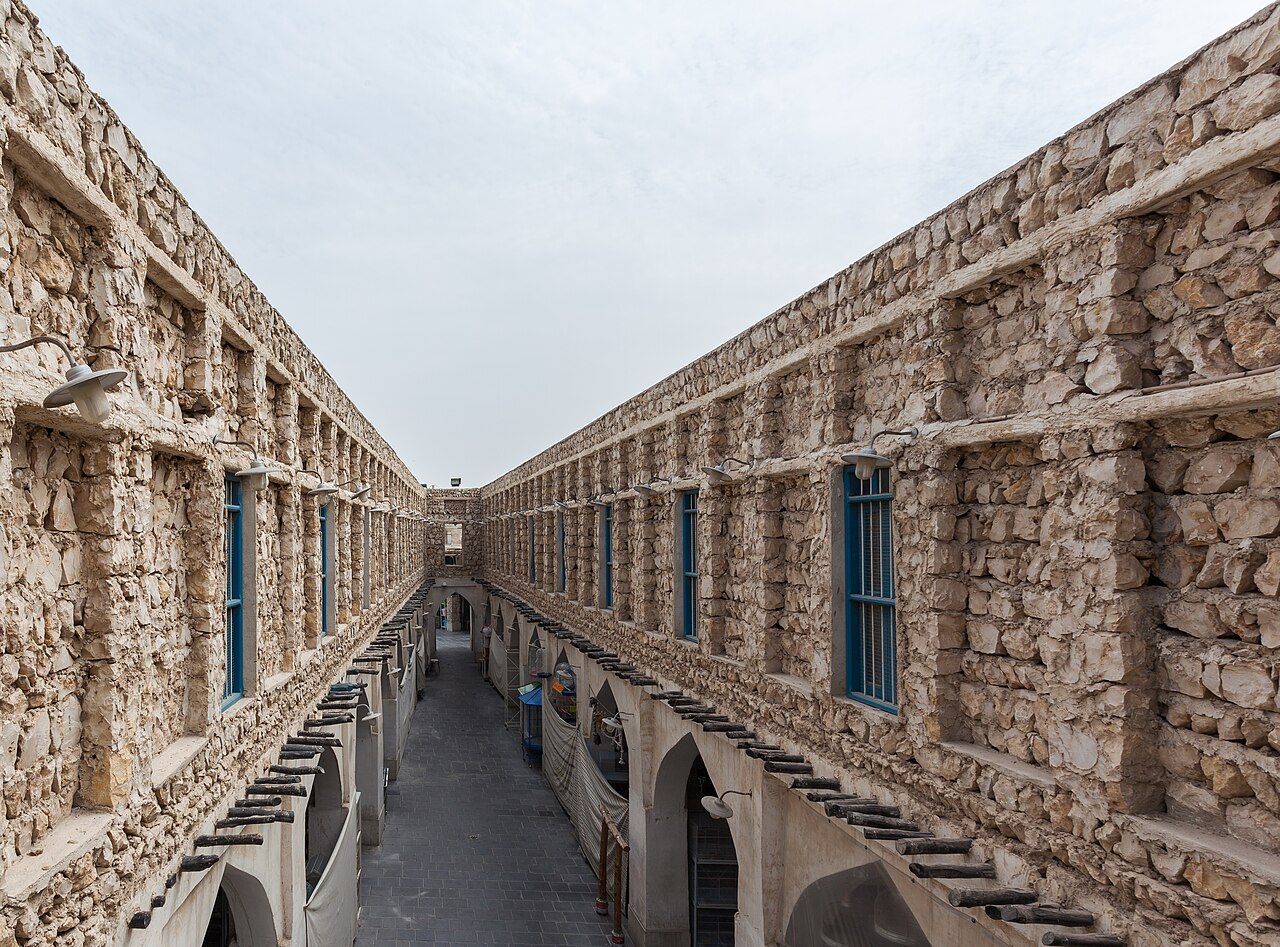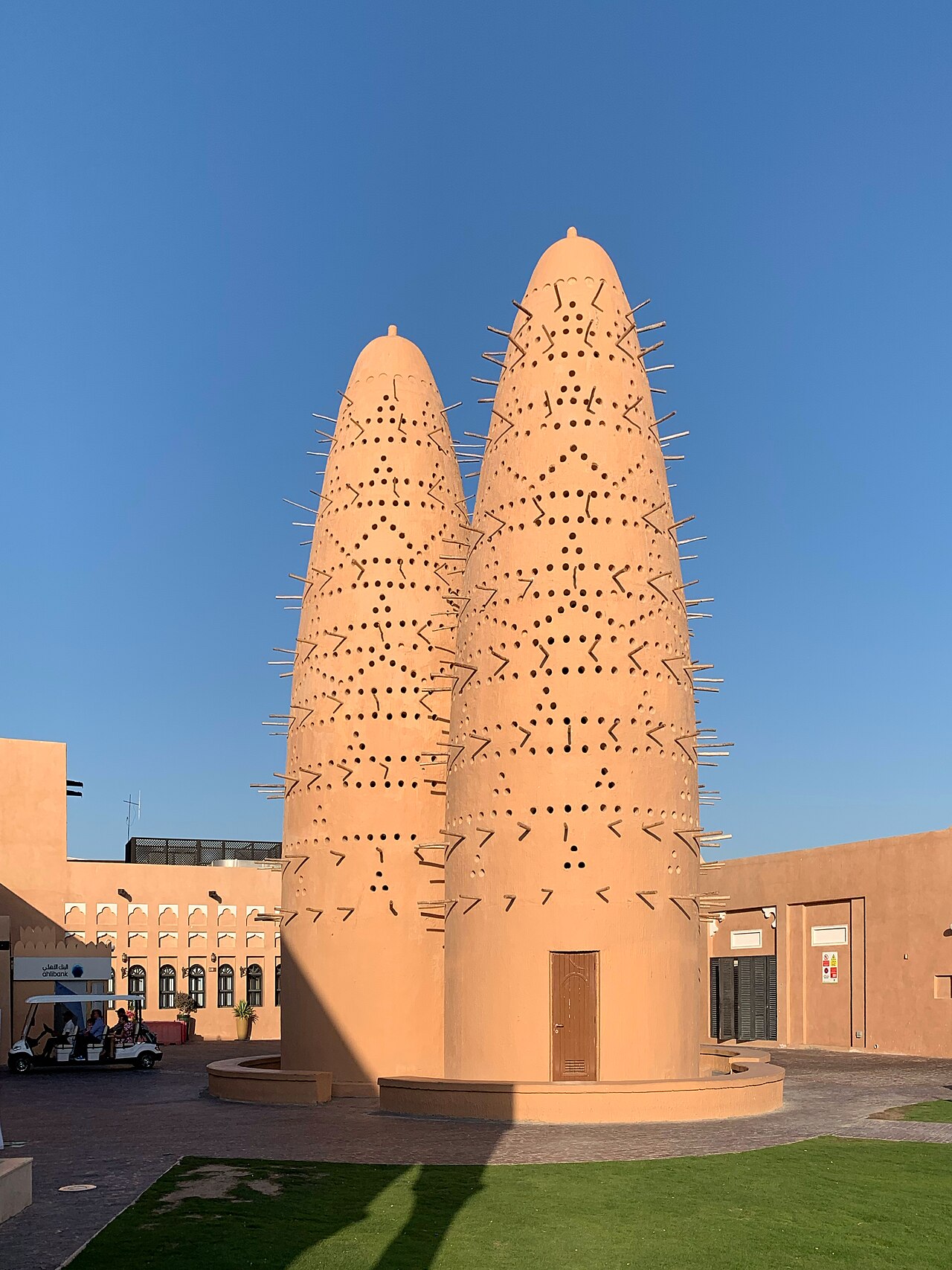
The Imam Muhammad ibn Abd al-Wahhab Mosque, also known as the State Grand Mosque, is the largest mosque in Qatar and one of the most striking buildings in the country. It was inaugurated in 2011 and stands on a hill in the west of Doha with a view over the skyline. Its sandstone walls, arches and a total of ninety-three domes create a calm, rhythmic composition that recalls traditional Gulf architecture, while the earth-coloured marble floors and shaded corridors are designed to keep worshippers cool in the heat. It can hold tens of thousands of worshippers, yet the interiors feel serene rather than overwhelming. This guided visit is an introduction to the building and to the faith it serves: a local guide explains the architecture, the role of the mosque in Qatari life, the pillars of Islam and the customs of prayer, and answers questions that visitors may feel shy about asking. It suits curious travellers of all backgrounds and those who want to understand the country beyond its museums and malls. Visits take place outside prayer times, and a guided format is recommended because there is much to explain and etiquette to observe. For photographers the courtyards, the arcades and the patterns of light are rewarding subjects. The experience is quiet, respectful and thoughtful, and many visitors count it among the most meaningful stops of their trip.
How it works
The visit is led by a guide who meets you at the mosque or arranges pickup, depending on the product, and it takes place outside prayer times. Opening arrangements and the duration are set by the operator, and the mosque may close to visitors on certain days or during events, so check the details when you book. Entry to the mosque is open to visitors of all faiths when it is open to the public.
What to expect
Dress conservatively, with shoulders, arms and knees covered, and loose, non-transparent clothing. Women should bring a scarf for the head, though covers are normally available at the site. You will remove your shoes before entering, so wear shoes that are easy to take off and socks if you prefer. Food is not allowed inside, and photography may be restricted in some areas, such as the women’s prayer space. Children are subject to age rules, so check them if you are travelling with a family.
Making the most of it
Go in the morning, when the light is soft and the temperature mild, and ask your guide about the calligraphy, the domes and the daily rhythm of prayer. Friday is the main day of congregational prayer, so check the schedule if you are planning around it. Combine the visit with the Museum of Islamic Art or the National Museum of Qatar for a day of culture and history, and keep your voice low and your phone on silent inside.
Good to know
The mosque is an active place of worship, and visiting hours can change around prayer times, public holidays and events. Keep your voice low, switch your phone to silent and follow your guide’s instructions about where to walk and where photography is allowed. If you are unsure about what to wear, err on the side of covering more. Visitors are welcome to ask questions, and many guides appreciate the chance to explain the traditions and architecture in more detail.
What to expect
The experience
A guided visit to Qatar’s largest mosque, with explanation of the architecture, customs and faith.
Best time
Morning, outside prayer times, in the cooler months.
How long
About one to two hours.
Tips
Dress conservatively, remove shoes at the entrance and check for closures on Fridays and during events.
Quick picks
- Best for
- Curious travellers and architecture lovers.
- Families
- Check the mosque’s age rules for children before you go.
- Couples
- A quiet, thoughtful cultural stop.
- Pair with
- The Museum of Islamic Art and the National Museum of Qatar.
- Time needed
- A morning.
Good questions
Can non-Muslims visit?+
Yes, when the mosque is open to visitors and outside prayer times.
What should I wear?+
Modest, loose clothing that covers arms and legs, and a scarf for women.
How many domes does it have?+
Ninety-three.
Can I take photographs?+
In most areas yes, but there are restrictions in some spaces.
Is a guide necessary?+
It is recommended, as it helps with etiquette and context.