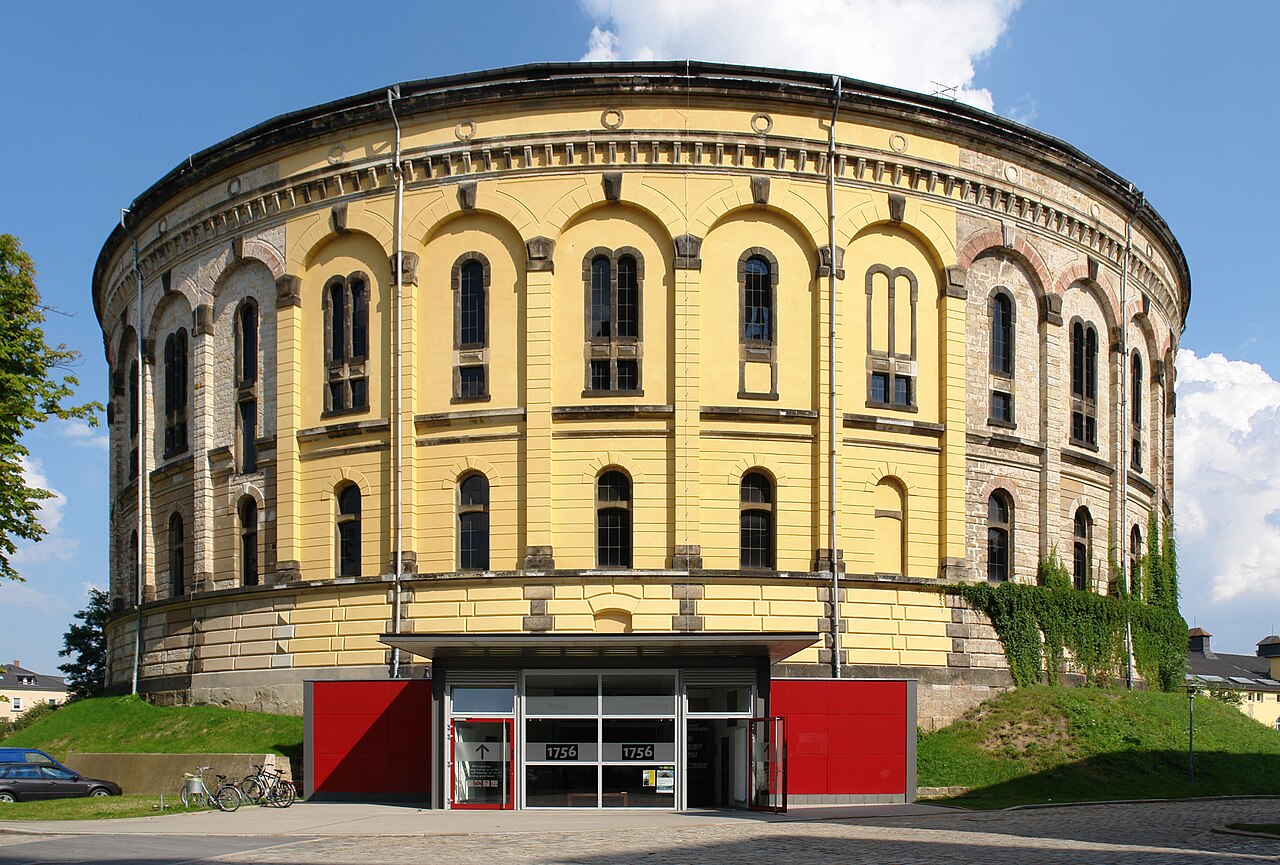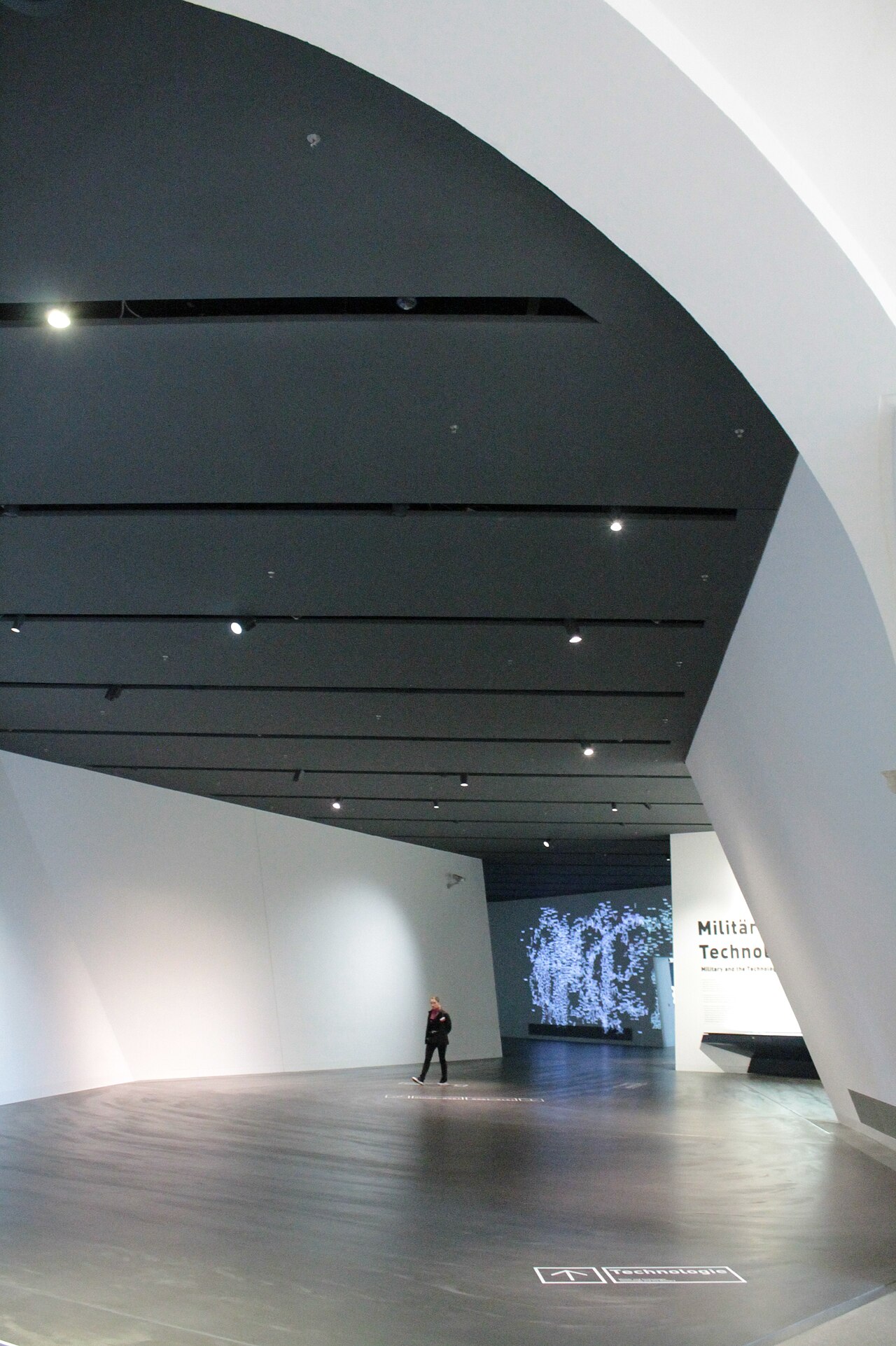
The Military History Museum of the Bundeswehr is one of the most striking museum buildings in Germany, and one of the most thoughtful. The original building is a neoclassical arsenal from the 1870s in the Albertstadt district north of the Neustadt. In 2011 the museum reopened after a rebuild by the architect Daniel Libeskind, who drove a wedge of steel and glass through the front of the old building, a deliberate break in its symmetry. From the viewing platform at the point of the wedge you look out over the city along the line of the 1945 bombing raids, a view that sets the tone for the whole museum. Inside, the approach is not a parade of uniforms and weapons. The permanent exhibition tells German military history from the Middle Ages to the present in two ways, one in chronological order and one in thematic rooms about topics such as war and memory, the body, animals and the language of the military. Its aim is to ask how violence and society are connected, and it is as much about the people affected by war as about the machines.
How to visit
The museum is at Olbrichtplatz in the Albertstadt district, a short tram ride from the city centre, and it is not on the usual Old Town route, which is one reason it is quieter than the big art museums. It has its own weekly closing day, and opening hours, ticket prices and guided-tour dates are on the museum’s website, so check them before you go. English-language materials and tours can be found through the museum, and the visit works well for adults and teenagers with an interest in history.
What to expect
Allow at least two hours, and three if you want to cross both the chronological and thematic routes. The wedge is the architectural hook, but the content is the point: the exhibits include large vehicles, uniforms, medals, documents and personal objects, and the thematic rooms use art and everyday items to make you think about how militaries shape culture.
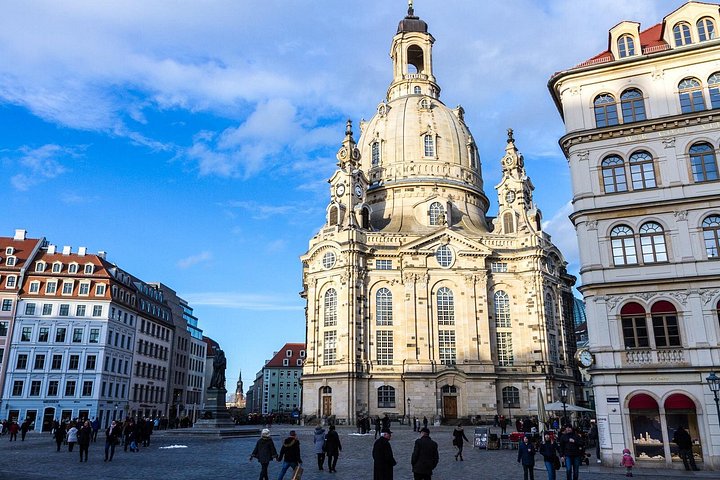
The viewing platform at the top of the wedge gives one of the best panoramas of the Dresden skyline, with the Frauenkirche in view, and the combination of that view with the story of the city’s destruction is memorable. Some of the material is graphic and serious, so consider the age of children before you go.
Making the most of it
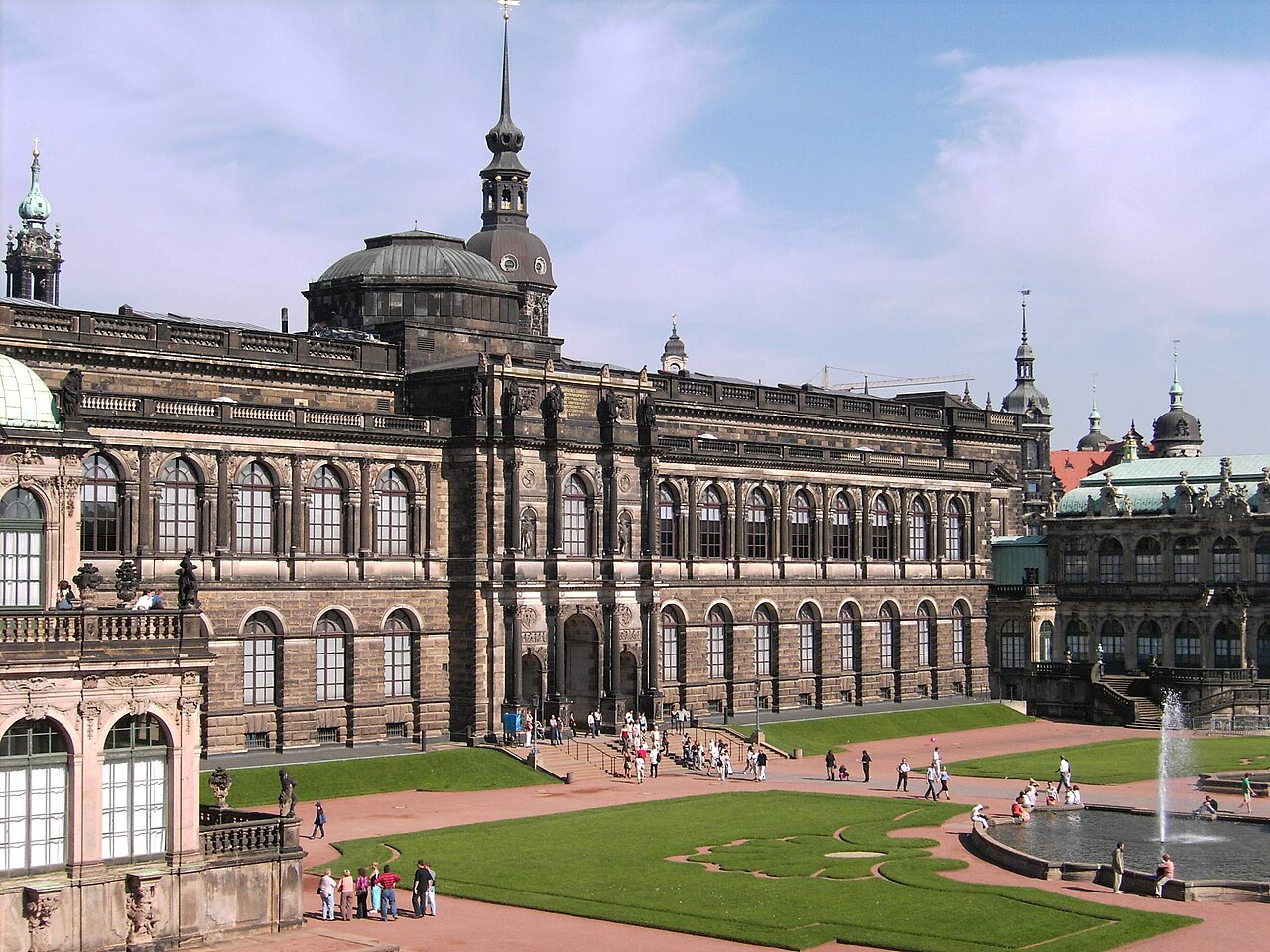
Go on a weekday morning and spend the first hour on the permanent exhibition, then take the platform for the view. The Libeskind building is worth a walk around the outside first, to see how the wedge breaks the old facade. Combine it with a stroll through Albertstadt, whose barracks and parade grounds show another side of Dresden, or return to the centre for the Zwinger and the Frauenkirche, which put the destruction of 1945 in context.
Special exhibitions are also worth a look, so check what is on. Plan this visit for a day when the weather is poor, since most of it is indoors. The museum also runs talks, tours and special exhibitions throughout the year, and the shop and cafe make a useful rest stop, so leave yourself a margin beyond the exhibits themselves when you plan the afternoon.
What to expect
The experience
A national military museum in a neoclassical arsenal with a Libeskind wedge and a viewing platform over the city.
Best time
A weekday morning, ideally on a day with poor weather.
How long
Two to three hours.
Tips
Check the weekly closing day and the guided-tour dates on the museum’s website, and take the viewing platform for the skyline.
Quick picks
- Best for
- History and architecture fans who want a serious, thoughtful look at German military history.
- Families
- Better for teenagers than small children, because some material is graphic.
- Couples
- A history-minded afternoon that ends with the view from the wedge.
- Pair with
- The Frauenkirche and Zwinger in the Old Town, which show how the city rebuilt after 1945.
- Time needed
- Two to three hours.
Good questions
Who designed the Military History Museum in Dresden?+
The architect Daniel Libeskind designed the steel-and-glass wedge that cuts through the old arsenal. The museum reopened in 2011.
Where is the Military History Museum?+
It stands at Olbrichtplatz in the Albertstadt district, a short tram ride from the centre of Dresden.
What can I see at the Military History Museum?+
The permanent exhibition covers German military history from the Middle Ages to the present, both in chronological order and in thematic rooms about war and society.
Is the view from the wedge worth it?+
Yes, the viewing platform looks across the city towards the Old Town skyline, and the view links to the history of the 1945 bombing raids.
Is the museum suitable for children?+
It suits teenagers and adults better than small children. Some of the material is serious and graphic.