Essaouira's identity was shaped by a remarkably mixed population, and the Jewish community was central to it. In the 18th and 19th centuries, Jewish merchants and craftspeople made up a large share of the town's residents and handled much of its trade with Europe. The mellah, the old Jewish quarter in the north-east of the medina, is where much of that story still lives in the stones. It is a quieter, more weathered corner than the main squares, with narrow lanes, faded doorways and a few synagogues and houses that hint at the community's former scale. For visitors, it offers a chance to see a less polished side of the old town and to understand how the port's cosmopolitan reputation was earned. Bayt Dakira, often translated as the House of Memory, is the best place to start. Housed in a restored building near the centre of the quarter, it presents the shared history of Jewish and Muslim residents through its architecture, objects and atmosphere. Visits are generally short, calm and respectful, and many travellers combine them with a wander through the surrounding lanes.
The history behind the quarter helps make sense of what you see. When the sultan developed the port in the 18th century, he encouraged merchants of different backgrounds to settle, and Jewish families played a prominent role as traders, translators and advisers. At its height the community was large and influential, and the sound of several languages could be heard in the lanes.
Over the 20th century the population shrank considerably as families emigrated, and many buildings were left to age. The result is a district that feels evocative rather than restored, which is part of its appeal.
On the ground, treat the visit as a gentle, slow walk. Start with Bayt Dakira, where the interior is calm and the displays and architecture provide context. Opening hours and any small contribution can vary, so check on arrival and carry a few coins. Afterwards, explore the surrounding lanes on foot, noticing the doorways, the stonework and the remnants of Hebrew inscriptions that survive on some buildings. Keep to public streets, be respectful when entering religious or private spaces, and ask before photographing people or doorways of homes.
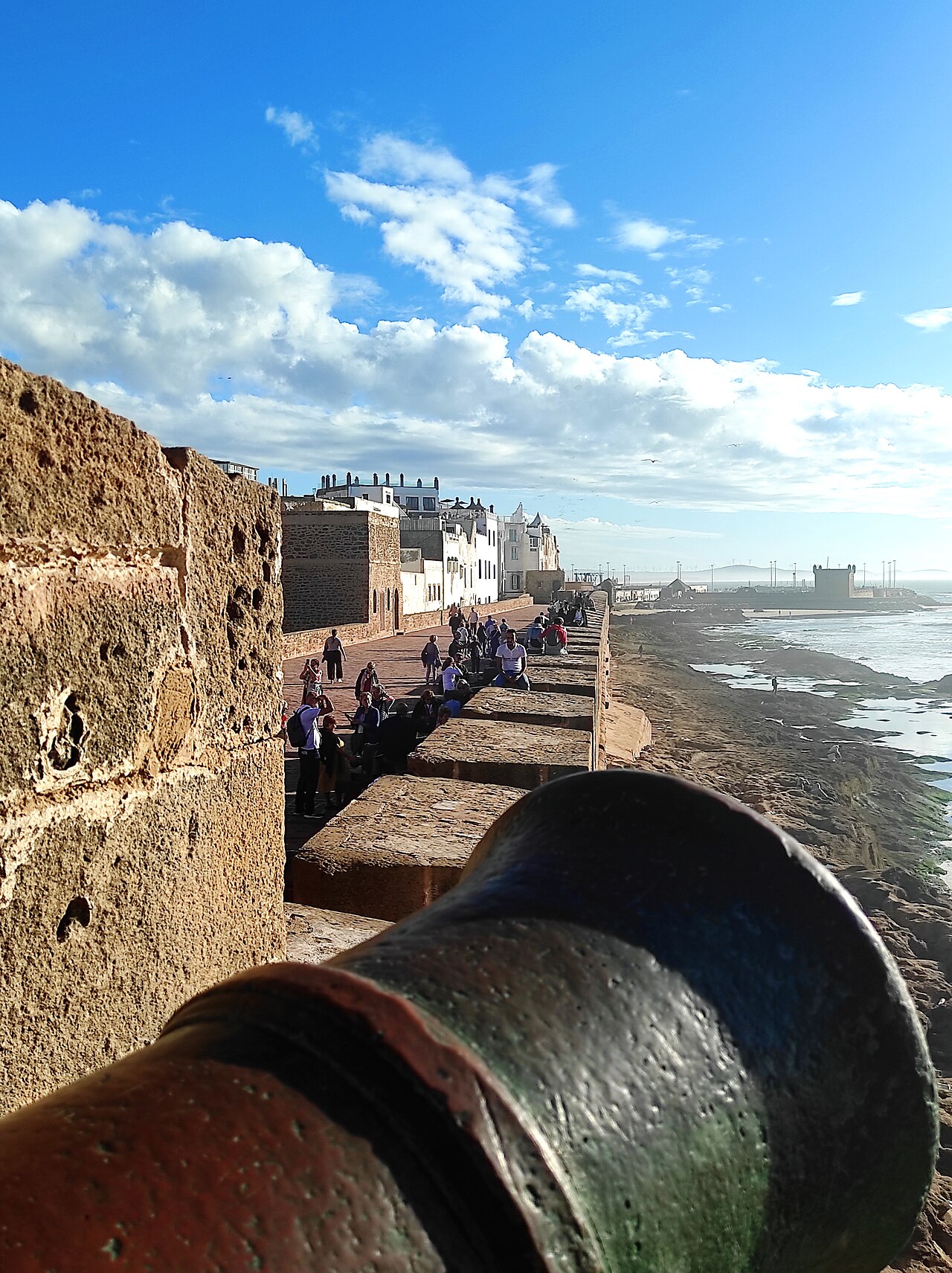
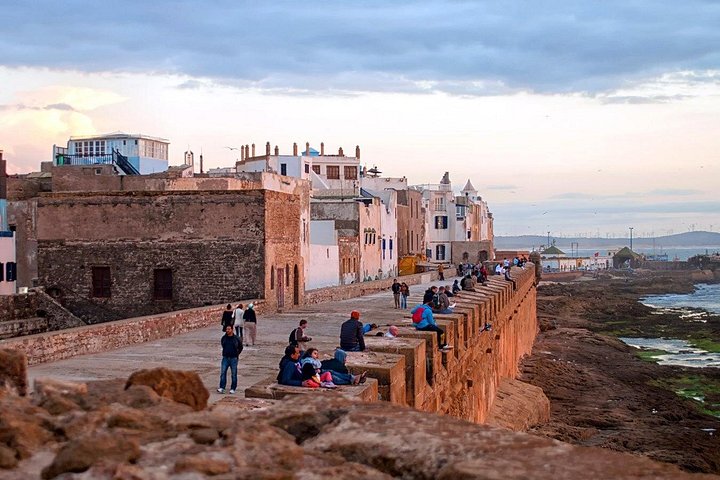
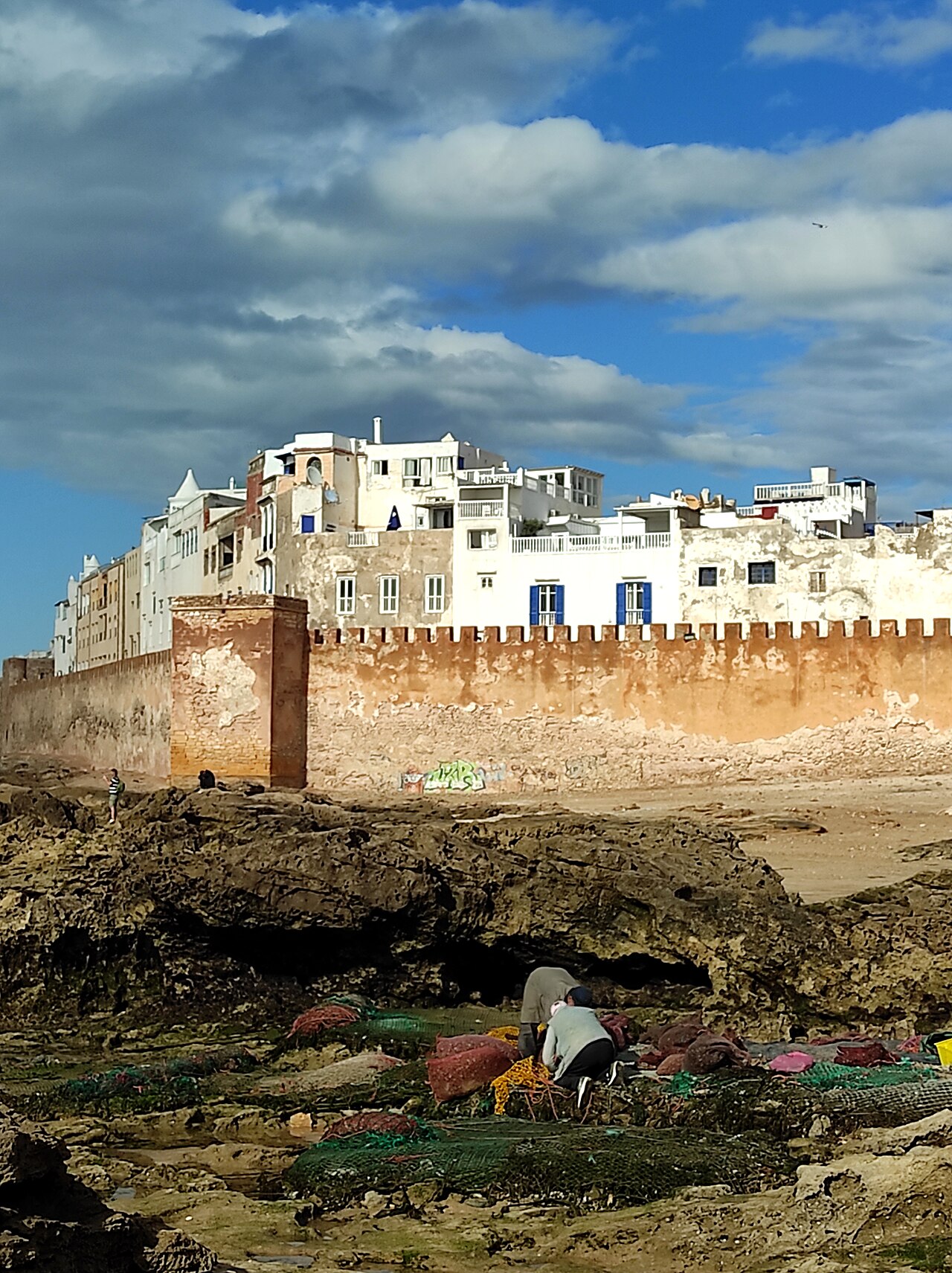
The quarter also leads naturally to other parts of the old town. From the mellah it is a short walk to the ramparts, the north bastion and the craft workshops, so you can build a half-day route that blends heritage with views and shopping. Early morning is the calmest time, with fewer groups and softer light, while the late afternoon brings a golden glow to the faded walls. Surfaces can be uneven and steps frequent, so wear sturdy shoes and allow extra time if you are travelling with a stroller or limited mobility.
For travellers who enjoy context, a local guide can add stories and details that a casual wander will miss, such as which house belonged to which family and how the quarter fitted into the economic life of the port. Even without a guide, the visit rewards curiosity.
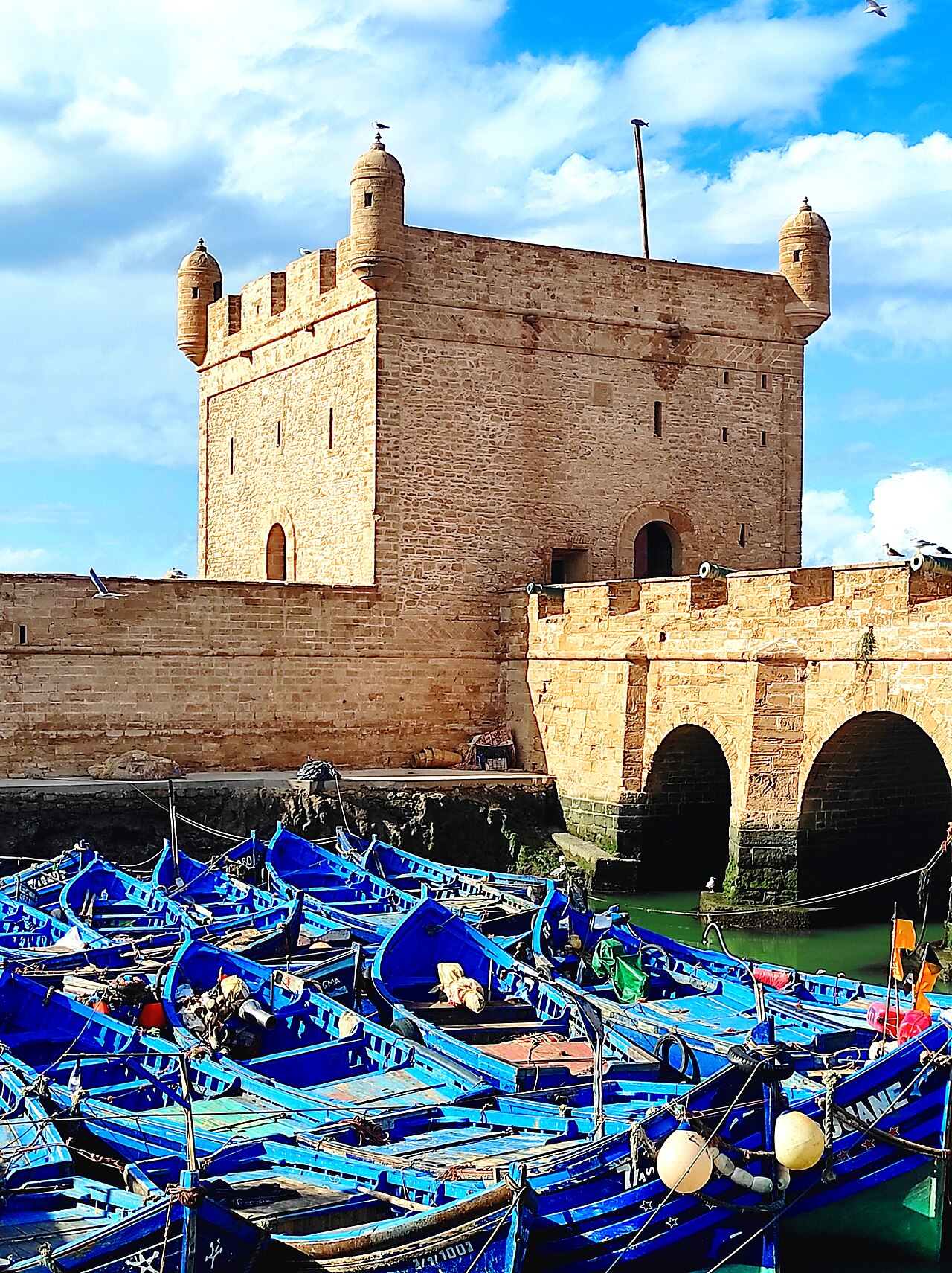
It also pairs well with a lunch of fish at the harbour or a mint tea in the main square, followed by a slow walk back through the lanes. It is a modest, reflective stop rather than a headline attraction, and that is precisely why many visitors remember it.
What to expect
The experience
A self-guided walk through the old Jewish quarter, with a visit to a restored heritage house that presents the shared history of the town.
Best time
Early morning for calm lanes and soft light.
How long
One to two hours, longer with a guide or a slow wander.
Tips
Dress modestly, carry a few coins for any small contribution, ask before photographing people and wear sturdy shoes for uneven stone.
Quick picks
- Best for
- History lovers, curious first-timers and anyone wanting a quieter corner of the medina.
- Families
- Fine for older children who enjoy stories; the lanes are narrow and uneven for strollers.
- Couples
- A reflective, atmospheric stroll away from the crowds.
- Pair with
- Pair it with the Skala de la Ville and the craft workshops nearby.
- Time needed
- One to two hours.
Good questions
What is the mellah?+
It is the traditional Jewish quarter of a Moroccan town. In Essaouira it lies in the north-east of the medina and is one of its quietest, most weathered districts.
What is Bayt Dakira?+
It is a restored heritage house, often translated as the House of Memory, that presents the shared history of Jewish and Muslim residents of the town.
Is there an entry fee?+
Walking the lanes is free. A heritage house may ask for a small contribution, so carry a few coins and check on arrival.
Can I visit in a group or with a guide?+
Yes, many people visit independently, while a local guide can add stories and context about the families and buildings.
Is it suitable for children?+
Older children who like stories usually enjoy it. The lanes are narrow and uneven, so it is less convenient with strollers.