Essaouira has a long-standing reputation for fine woodwork, and the signature material is thuya, a fragrant wood from the root burl of a tree that grows in the surrounding region. Craftspeople cut, sand and polish the wood until its swirling grain glows, then shape it into boxes, trays, chess boards, jewellery cases and small furniture. Some pieces are inlaid with lemon wood, ebony or mother of pearl in patterns known as marquetry. Walking the workshop lanes in the medina, you can hear saws and lathes, smell the sweet, resinous scent of the wood and watch artisans at work in doorways just a few steps from the street. It is one of the most tangible ways to connect with the town's living craft tradition. The workshops sit near the ramparts and in the lanes behind them, mixed with spice sellers, jewellers, painters and shops selling argan products. Browsing is free, and there is no pressure to buy, although the temptation is real when you hold a well-made piece.
To get the best from the visit, go with a little knowledge. Genuine thuya has a rich reddish-brown colour with a distinctive burl pattern, and the scent is strong and warm when you sniff a freshly cut surface. Mass-produced imitations tend to look flatter and smell faint or artificial. Ask the maker which wood is used, how the piece was finished and whether inlay is real or applied. A friendly shopkeeper will usually explain, and many are proud to show how a piece moves from rough block to polished object.
Bargaining is part of the culture, but it works best when it is polite and informed. Look at several shops before deciding, agree a price before any packaging, and offer a figure you would genuinely be happy to pay. Small items such as boxes, spoons and coasters are easier to carry and cheaper than furniture. If you want something large, ask about shipping and check any export rules and customs limits before committing. Keep your receipt and ask the seller to wrap items securely.
Care is important after you buy. Thuya is a natural material, and it can dry and crack in very dry or heated environments, so keep it away from radiators and strong sunlight. A little beeswax or neutral oil now and then restores the shine. Avoid soaking the wood and wipe it gently with a soft cloth. These simple habits keep a piece looking good for many years.
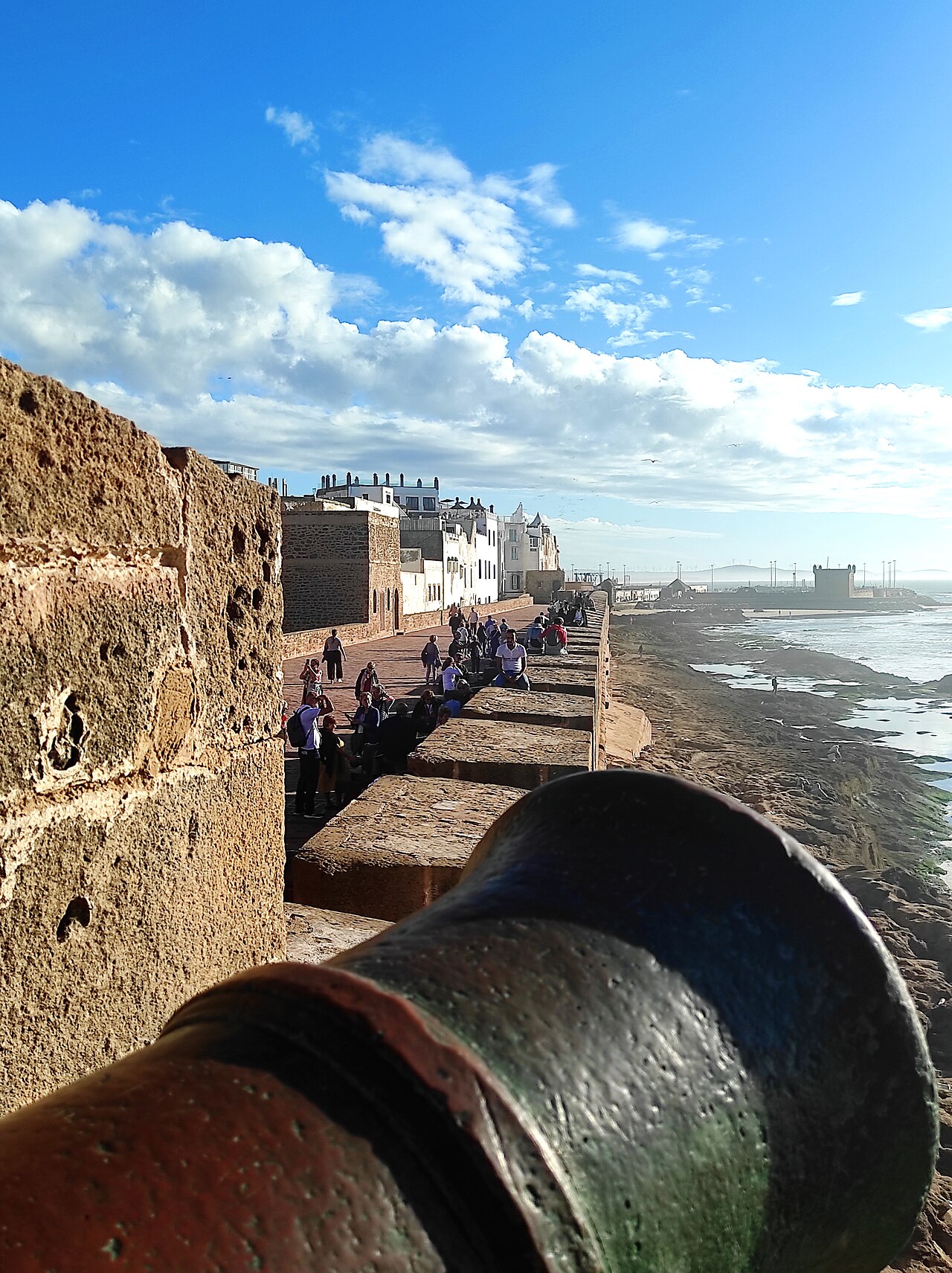
Combine the craft lanes with other parts of the old town for a satisfying half day. The quarter lies close to the ramparts, the north bastion and the mellah, and the walk between them is short. Early morning is the calmest time to talk with makers, while the afternoon is livelier. Wear grippy shoes for the stone, carry small notes and take your time. Even if you buy nothing, you leave with a clearer understanding of why this small port town is so closely linked to fine wood and skilled hands.
One last tip is to set a budget before you walk in, because the quality on show makes it easy to overspend. Decide whether you want a gift, a keepsake for yourself or simply a closer look at the craft, and let that guide your choices. Pay in small notes where possible, ask for a written receipt for larger pieces and take photographs of the workshop so you remember who made what. A friendly goodbye leaves a good impression for the next visitor too.
What to expect
The experience
A free, self-guided browse through woodworking workshops and craft shops in the medina, with makers often working in their doorways.
Best time
Morning for conversation with makers; afternoon when the lanes are livelier.
How long
One to two hours, longer if you are shopping seriously.
Tips
Compare several shops, ask what wood is used, agree prices before packaging and keep small notes for purchases.
Quick picks
- Best for
- Craft lovers, souvenir shoppers and curious first-timers.
- Families
- Fine for children who like to watch makers at work; keep hands away from tools and fragile displays.
- Couples
- A relaxed, creative way to spend a morning and choose a keepsake together.
- Pair with
- Pair it with the Skala de la Ville and the mellah.
- Time needed
- One to two hours.
Good questions
What is thuya wood?+
It is a fragrant wood taken from the root burl of a tree that grows in the region. It is prized for its swirling grain and warm scent.
Is it free to visit the workshops?+
Yes, browsing is free and there is no obligation to buy.
How can I tell real thuya from imitations?+
Look for a rich reddish-brown colour, a clear burl pattern and a strong, warm scent when the wood is cut. Ask the maker to explain.
Can I bargain?+
Yes, politely. Compare several shops, agree a price before packaging and offer a figure you are happy to pay.
How should I look after a thuya piece?+
Keep it away from radiators and strong sun, wipe it with a soft cloth and use a little beeswax or neutral oil now and then.