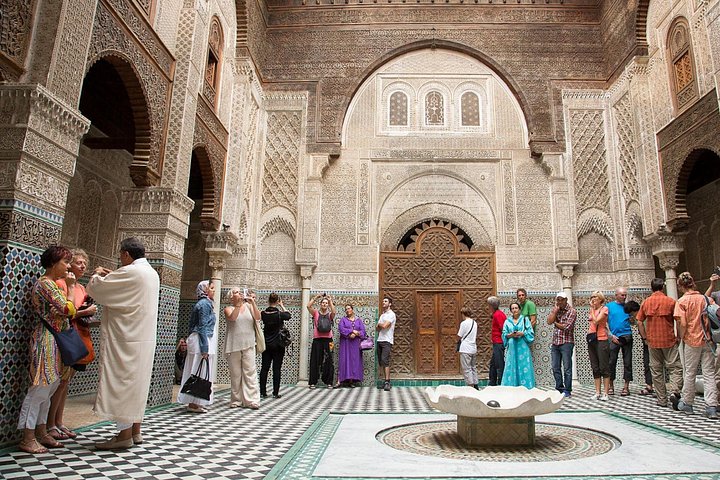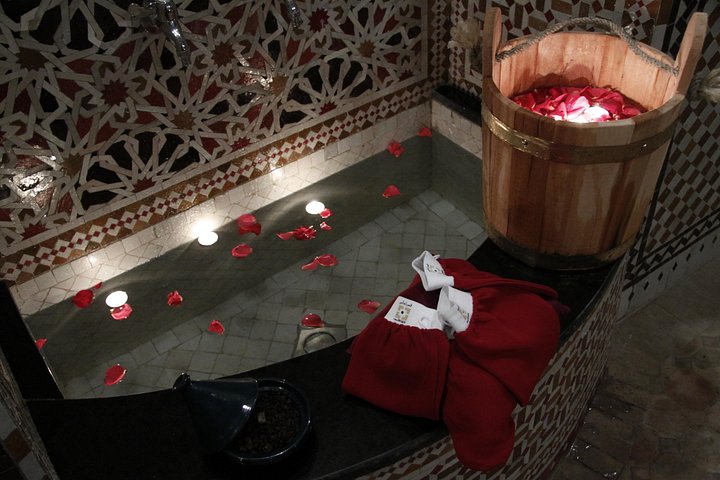
The hammam is part of daily life in Fes, a place for washing, warmth and conversation that has shaped Moroccan routines for centuries. Visiting one is a cultural experience as much as a spa treatment, and a hammam at Palais Amani, a restored palace-riad in the medina, is an approachable way to try it without guessing at etiquette. The sequence follows the classic pattern. You are warmed in a steamy, tiled room until you are relaxed and sweating, then soaped with traditional black soap made from olives, and scrubbed firmly with a rough kessa glove that lifts away a surprising amount of dead skin. Rinsing with buckets of warm water follows, and many sessions finish with a rest, mint tea or a massage option. The result is skin that feels almost new and a body that has finally let go of the tension of cobbled lanes, steep staircases and heat. It is a particularly good counterweight to a full day on foot, and it makes a pleasant treat in winter when the medina evenings can be cool.
Expect the experience to be firmer than a western spa. The scrub is meant to be vigorous, and you can ask the attendant to ease off if it is too much. Most visitors wear a swimsuit bottom or disposable underwear, and the staff will explain what to bring and what is provided, so you do not need to know everything in advance.
Sessions are generally private or small-group rather than the busy communal public hammams, which suits visitors who want comfort and clear instructions more than a neighbourhood social scene. If you are curious about the local version, a guide can point you toward a public hammam, but visitors usually find a managed tourist hammam far easier on a first visit.
Timing matters. Do not eat a heavy meal immediately before, drink water, and plan a slow hour afterwards rather than rushing straight into a busy dinner. A hammam is often best after a day of sightseeing rather than before, because the heat and steam leave you pleasantly drowsy. It is generally not recommended if you are pregnant, have heart or blood pressure issues, or feel unwell, and anyone with a medical condition should ask a doctor first. Take off jewellery, tie up long hair and leave valuables in your room.
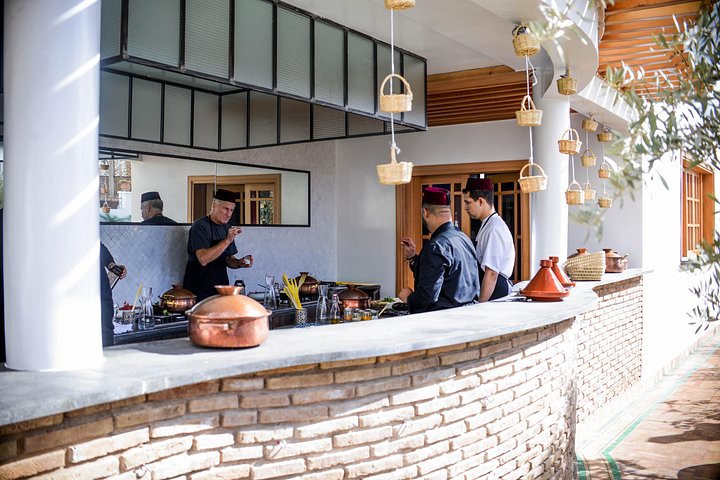
Palais Amani is also a hotel and cooking school, so the setting is comfortable, quiet and used to visitors. If you are staying elsewhere, check pickup or meeting arrangements for the booking, as the lanes around the palace are not accessible by car. Pair the hammam with the cooking class if you want a full riad day, or save it for your last evening in Fes before a long journey.
Bring a small tip for the attendant if you were pleased with the service, and keep cash on hand in case extra services are offered. Whatever the format, expect a clean, relaxed, deeply Moroccan hour or two.
What to expect
The experience
A traditional hammam session with steam, black soap and a firm kessa scrub in a palace-riad setting, with an optional rest afterwards.
Best time
After a day of sightseeing, when the heat and steam will do the most good.
How long
One to two hours, depending on the treatment you choose.
Tips
Skip a heavy meal beforehand, drink water, ask the attendant to ease off if the scrub is too firm and keep valuables in your room.
Quick picks
- Best for
- Travellers who want to try a hammam in comfortable, clear surroundings rather than guessing at a public one.
- Families
- Best for adults and older teenagers; check the venue before bringing younger children.
- Couples
- A relaxing end to a long medina day; ask what is available for two.
- Pair with
- The Palais Amani cooking class makes a full riad day, and the medina walk fits the morning before.
- Time needed
- Allow two hours including the walk and a slow rest afterwards.
Good questions
What happens in a Moroccan hammam?+
You are warmed in a steam room, soaped with black soap, scrubbed with a kessa glove and rinsed with warm water, often followed by a rest or massage.
What should I wear?+
Most visitors wear a swimsuit bottom or disposable underwear. The staff will explain what is provided.
Is the scrub painful?+
It is firm by design. You can ask the attendant to be gentler at any time.
Is a hammam safe for everyone?+
It is not recommended in pregnancy or if you have heart or blood pressure problems or feel unwell. Ask a doctor if you have a medical condition.
Is it better to go before or after sightseeing?+
Most people prefer after, because the steam and warmth ease tired legs and leave you relaxed.