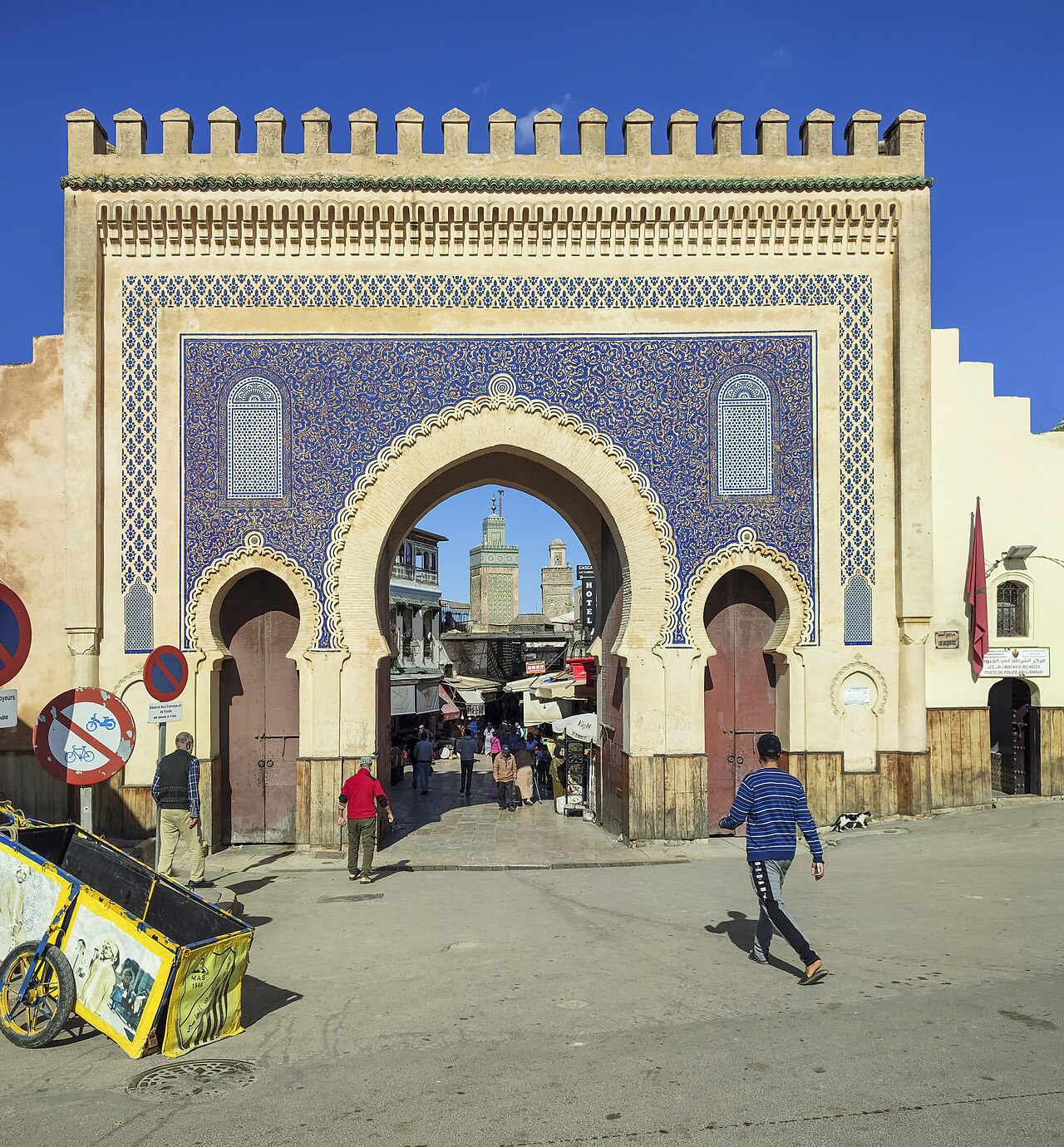
Most visitors enter Fes through Bab Bou Jeloud and never see how the city is laid out from outside, which is a pity because the ramparts tell the story of its growth. A rampart tour takes you around the outer walls and gates by car or on foot, with stops at viewpoints that look down over the medina and its thousands of rooftops. You see the great gates of the old city, the stretches of crenellated wall and the hills where earlier dynasties watched over the valley. It is a good way to orient yourself before a long walk inside the medina, because from above the layout makes sense in a way it never does at street level. Your guide will explain how the walls were built and rebuilt, how the gates relate to the neighbourhoods and why Fes el-Bali sits in a bowl while the newer Fes el-Jdid occupies higher ground. The tour is short, easy and suitable for travellers who do not want a long walk, such as families with young children, older visitors and anyone arriving tired from a journey. It also makes an excellent sunset or early-morning photo stop, when the light turns the walls golden. Combine it with a medina walk or a tannery visit for a complete first day.
A rampart tour typically covers several vantage points and gates in a loop that takes between two and three hours. Common stops include a viewpoint high on the hillside near the ruined Borj Nord and the Merenid Tombs, where you can look over the whole medina, and the area near Bab Ftouh and Bab Guissa, where the walls and gates frame the old city.
You may also pass the golden gates of the Royal Palace area and the walls of Fes el-Jdid, depending on the route. The guide will explain the history of the fortifications and give practical advice about the medina below, such as which gate to use for which neighbourhood.
If the tour uses a vehicle, the pace is relaxed and you step out at each stop, which makes it suitable for people with limited mobility, though some viewpoints involve a short uphill walk or uneven ground. Bring a hat and sun protection in summer, since the hilltop stops have little shade, and a light jacket in winter when the wind picks up. Photography is the main reward, so charge your phone or camera, and consider an early-morning or late-afternoon departure for softer light.
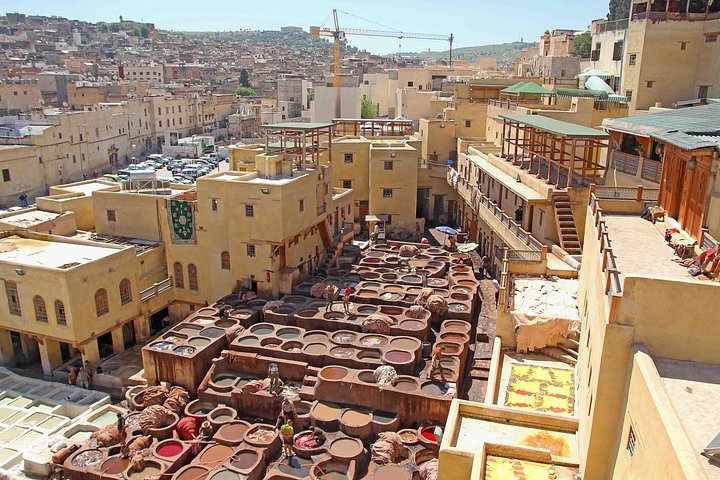
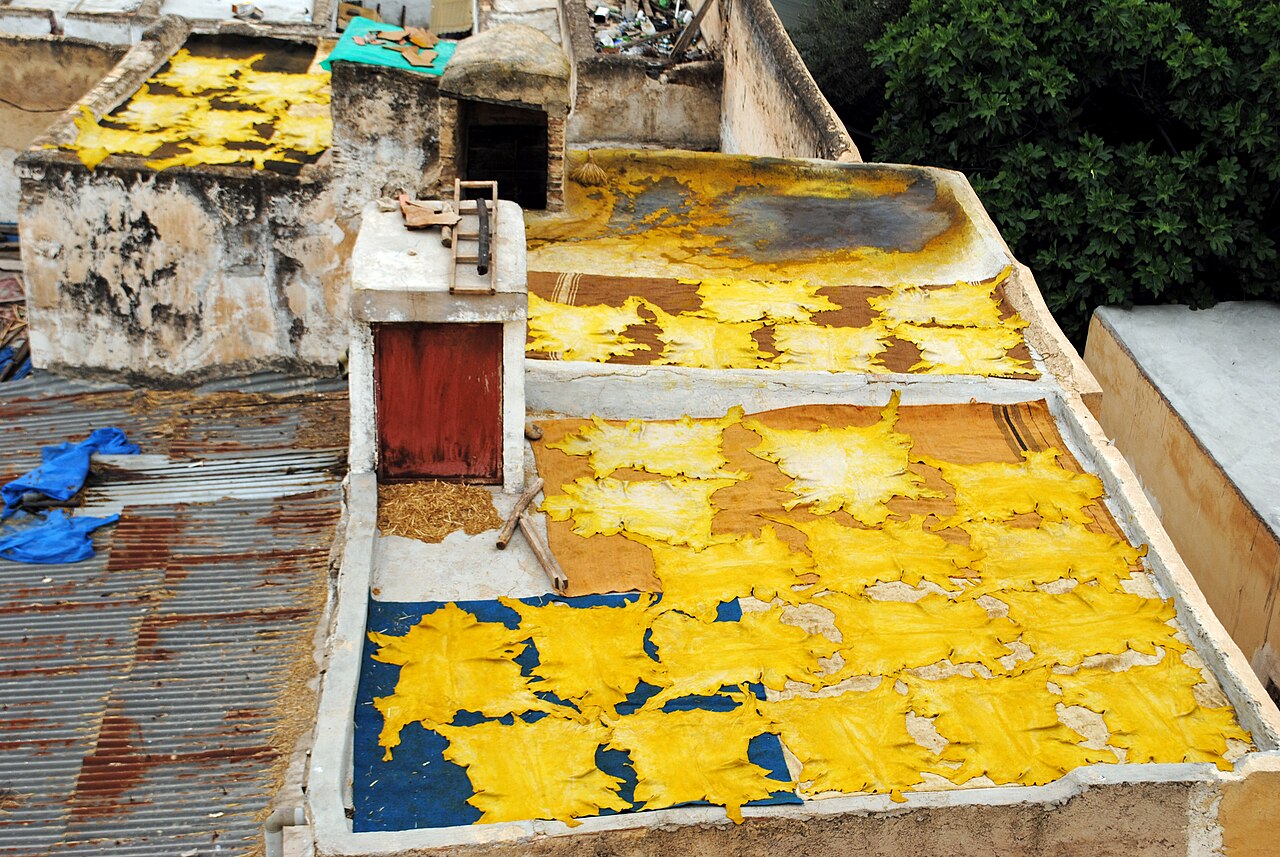
Ask your guide to point out landmarks such as the minarets of Qarawiyyin and Andalusian mosques, the green roofs of shrines and the dense blocks of tanneries, so you can find them again on foot. Check what is included, whether the vehicle is shared or private and where the tour finishes, because some versions end at the tannery or a gate rather than where they began. Allow a tip for the guide and driver. The tour pairs well with a visit to a madrasa or the museum at Dar Batha.
One more advantage of the ramparts is that they help with practical planning. Seen from above, it becomes obvious where the main gates lie, which quarter your riad occupies and how long it would take to cross the medina on foot, so you can plan the following days with far fewer wrong turns and much less backtracking.
What to expect
The experience
A half-day circuit of the city walls, gates and hillside viewpoints, usually by vehicle with short stops.
Best time
Early morning or late afternoon, for softer light and cooler air.
How long
Two to three hours.
Tips
Bring sun protection or a layer, charge your camera and check where the tour finishes.
Quick picks
- Best for
- First-time visitors who want to understand the layout of Fes before entering the medina.
- Families
- A comfortable choice for families, older visitors and anyone who prefers to avoid long walks.
- Couples
- Golden-hour views over the old city make it a pleasant shared outing.
- Pair with
- A medina walk or tannery visit, to go from overview to detail.
- Time needed
- Half a morning or afternoon.
Good questions
Is this a walking tour?+
It is usually done by vehicle with short stops at viewpoints and gates. Check the format when you book.
Does it enter the medina?+
The focus is the walls and viewpoints. Some versions add a short visit to a tannery or a gate, so check the itinerary.
When is the best time?+
Early morning or late afternoon, for softer light and cooler temperatures.
Is it good for people with limited mobility?+
Often yes, because most stops are short. Some viewpoints involve a short uphill walk, so ask when you book.
Do I need a guide?+
A guide adds context about the history and the layout, which makes the stops more meaningful.