Fes is Morocco's most medieval city and one of its most rewarding, but it asks a little more of visitors than Marrakech or Casablanca. The old medina, Fes el-Bali, is a UNESCO World Heritage site founded in the ninth century, a maze of lanes where no cars can go and where artisans still work as they have for generations. With a few smart decisions about guides, timing and where to sleep, it is also one of the most memorable places you can visit in North Africa.
Book ahead: the short list
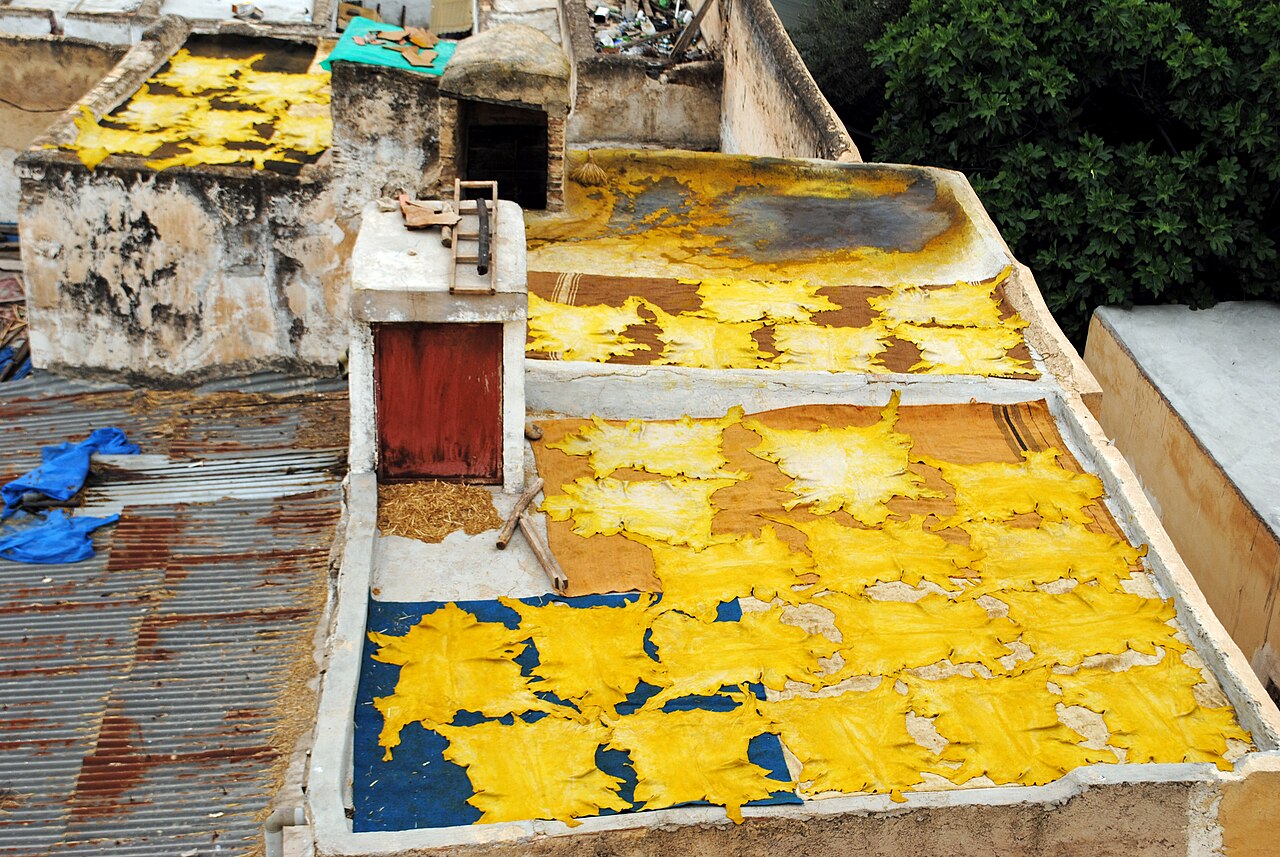
Book a licensed guide for your first morning in the medina, since the lanes are a genuine labyrinth and unofficial helpers are common near the gates. A guided walk, such as the [Fes el-Bali medina walk, also takes in the Chouara tannery. If you want to cook, reserve the Palais Amani cooking class early, because sessions are small. For day trips, the Volubilis and Meknes tour and the Chefchaouen day trip run daily and are easy to book a day or two ahead. The two-day Sahara overnight needs more planning, so book before you arrive in busy seasons.
How long to stay
Two full days cover the essentials, and three is much better. Day one: the medina walk in the morning, Bou Inania Madrasa, the Chouara tannery and a long lunch, then Bab Bou Jeloud at dusk. Day two: Fes el-Jdid, the Royal Palace gates and the Mellah in the morning, then Borj Nord and the Merenid Tombs for sunset. Add a third day for Volubilis and Meknes or for the Chefchaouen excursion. If you want the Sahara, plan two extra days and accept a lot of driving.
Getting around
Inside the medina you walk. Taxis, mules and handcarts are the only wheels. Outside it, petit taxis are cheap and plentiful, so agree on the meter or the fare before you set off. Fes has a rail station with trains to Casablanca, Rabat and Marrakech, and an airport a short taxi ride away, and your riad can arrange a pickup. Luggage is carried through the lanes by porters, so travel light.
Where the sights fit
The medina's main gates are Bab Bou Jeloud on the west side and Bab Rcif on the east. The tannery quarter lies toward the river, and Bou Inania stands along the Talaa Kebira lane near the Blue Gate. Fes el-Jdid, with the palace gates and the Mellah, is a short taxi ride to the southwest. Borj Nord and the Merenid Tombs crown the hills to the north, and the best views come in the hour before sunset.
What to wear and how to behave
Dress modestly, covering shoulders and knees, which is respectful and helps you blend in. Non-Muslims cannot enter the Qarawiyyin mosque, but Bou Inania Madrasa admits visitors. Ask before photographing people, carry small notes for tips and tea, and bargain with a smile. Politely decline unofficial guides, and agree prices for any service in advance.
When to go
Spring and autumn are the most comfortable seasons, with warm days and cool nights. Summer can be very hot, and winter evenings are cold, so a light jacket is useful. Ramadan changes opening hours and the rhythm of the city, so check dates if you travel then.
Where to stay
Sleeping inside the medina in a riad is the classic choice, but there are quieter modern options on the hills. Our where to stay in Fes guide compares them.
Final tip
Do not try to see everything. Pick a good guide, one great meal, the sunset at the tombs and one day trip, and let the medina's slower pleasures, a mint tea on a roof or a loaf from a communal oven, fill the gaps. The city rewards those who slow down and get a little lost.