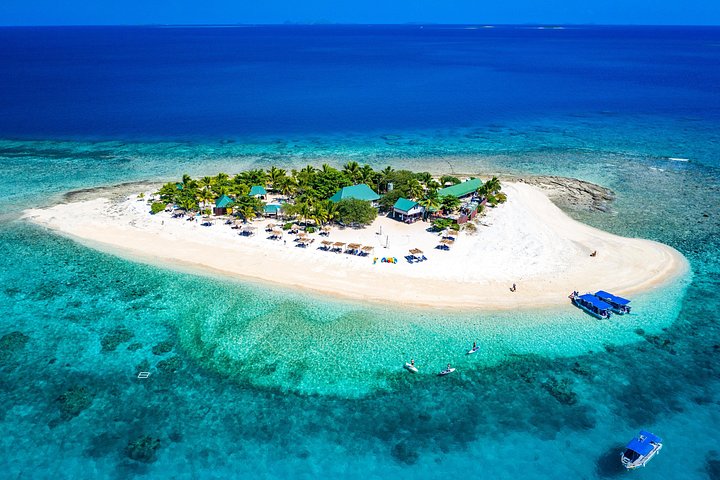
Fiji is warm all year, with sea temperatures that stay pleasant in every month, so there is no bad time to be in the water. What changes is rainfall, humidity, wind, crowds and prices. The country has two broad seasons, and western Viti Levu around Nadi, Denarau and the Coral Coast sits in a drier rain shadow than the eastern side of the island.
The dry season: May to October
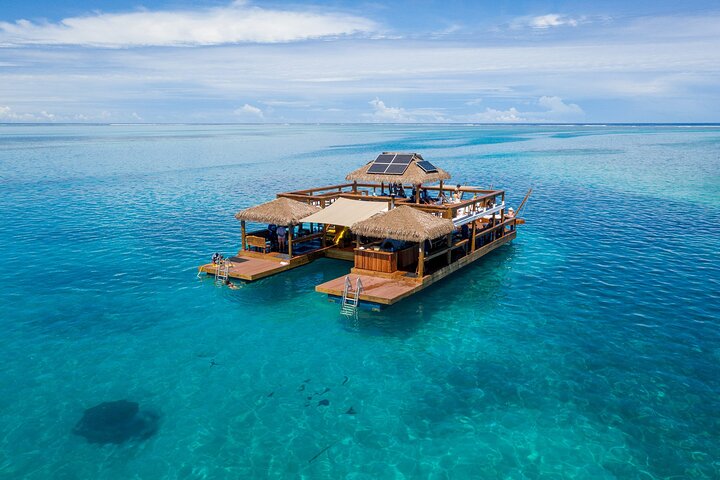
This is the most popular time to visit and generally the most comfortable. Days are warm and sunny, humidity is lower, nights are cooler and rain is less frequent. Seas are usually good for boat trips, and skies are clearer for snorkelling and diving. The trade winds can be breezy, which keeps the heat down but can add chop on the crossing to the islands. Expect higher prices and fuller boats, particularly in the Australian and New Zealand school holidays in July and September to early October, and book island cruises and resorts well ahead. Cloud 9, South Sea Island, Malamala and the Yasawa cruises all fill first in these weeks.
The wet season: November to April
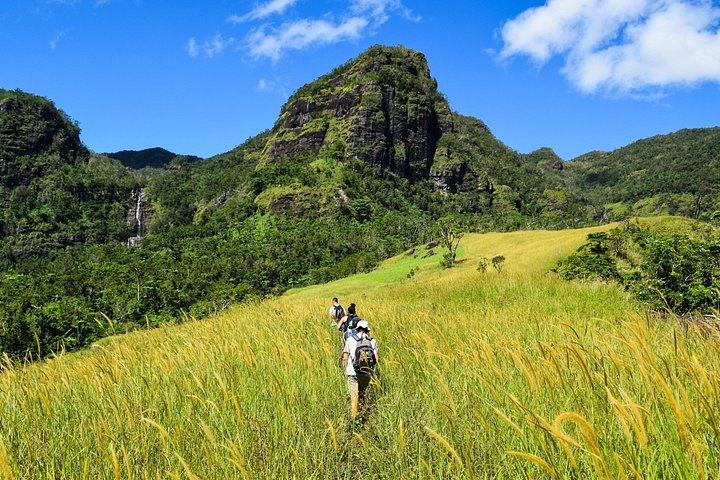
These months are hotter and more humid, with heavier rain, often in short, strong bursts rather than all-day drizzle, and this is also the tropical cyclone season for the South Pacific. Most days still bring sunshine, and the wet season has real advantages: lower accommodation rates, quieter beaches, lush green scenery and fuller waterfalls on hikes such as Koroyanitu. The risks are cancelled boat days, muddy roads, river flooding that can close the Sigatoka and Navua rivers to tours, and a small chance of a serious storm. If you travel in these months, buy travel insurance that covers weather disruption, build spare days into the plan and book refundable rates where you can.
Shoulder months
May, June and October often give the best balance, with dry weather, warm water and lighter crowds than July and August. November is a good compromise for travellers who want good prices before the peak of the wet season, and the weather is often still fine. December and January combine festive demand with the heavy end of the wet season, so book early if you travel then, and expect high prices around Christmas and New Year.
Matching activities to seasons
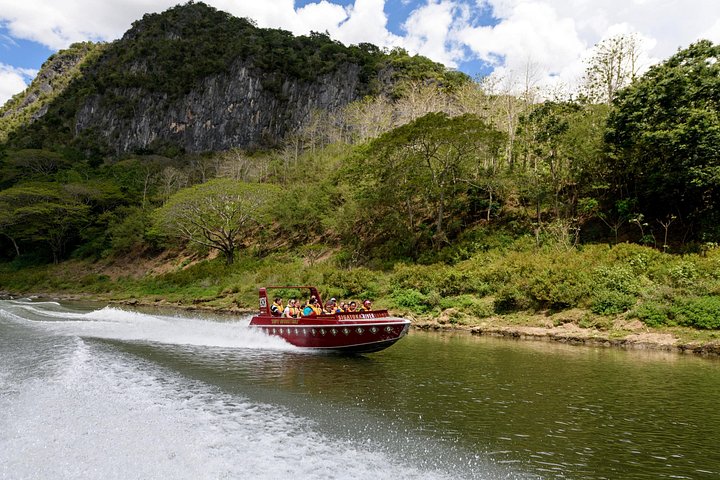
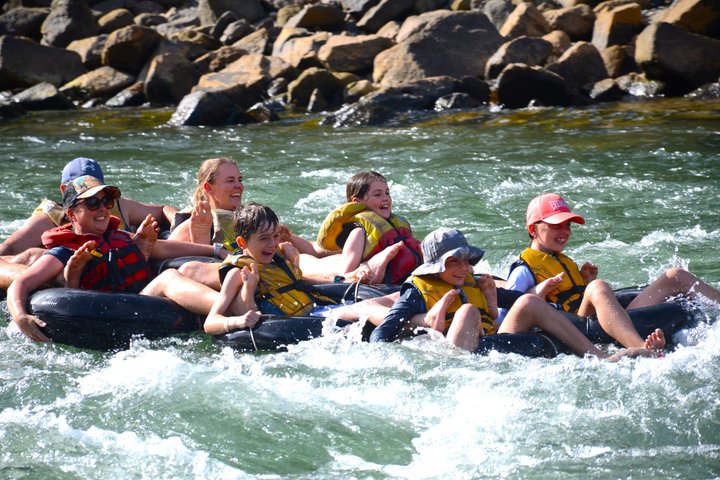
Boat days are most reliable in the dry season, but with flexible planning they work all year. Sabeto mud pool and the Garden of the Sleeping Giant are enjoyable in any weather, though the paths are more slippery after rain. The Sigatoka Sand Dunes are best early or late in the day, and hot in the middle of the day in summer. River activities such as the Sigatoka jet boat safari and Navua tubing depend on river levels, so ask about conditions before you go. Diving and snorkelling are good all year, with visibility often clearest in the drier months. Humpback whales pass through Fiji waters in the cooler months, and operators can tell you what is possible on the day.
School holidays and festivals
Fiji has a busy visitor season around the school holiday periods of Australia and New Zealand, and prices follow them. The country also has public holidays and religious festivals, including Diwali, which brings lights, sweets and celebrations in the Indo-Fijian community, usually in October or November. Sundays are quiet at any time of year, with many businesses closed and church central to village life.
What to pack by season
In the dry season, bring a light layer for evenings and breezy boat rides, a sun hat and reef-safe sun cream. In the wet season, add a light rain jacket, quick-dry clothing and a dry bag. Year round, bring insect repellent, a rash vest and any seasickness remedy you trust.
Booking and flexibility
Whatever the season, make your most weather-sensitive bookings early in the stay, and choose rates that allow changes. Ask each operator what happens if the trip is cancelled for sea conditions, since a rebooking or refund is normal practice. Check the forecast and any marine warnings the evening before an island day, and keep hotel transfers to the airport generous in the wet months, when roads can be slow after heavy rain.
Our suggestion
If you can choose, aim for late May, June, early September or October for the best mix of weather and value, and keep one day in the plan free for boat cancellations. If your dates are fixed in the wet season, base yourself on the Nadi side of the island, choose activities with a rain plan, and treat the weather as part of the adventure.