Food in Fiji is shaped by three traditions: the iTaukei cooking of the islands, the Indo-Fijian cooking brought by workers from India more than a century ago, and the Pacific, Chinese and European influences that arrive in resort kitchens. A good trip samples all three. Around Nadi and Denarau you can eat very well at every budget if you know what to look for.
Kokoda, the dish to try first
Kokoda is Fiji's best-known dish, a ceviche-style plate of raw fish, usually a firm white fish such as mahi-mahi, cured in lime or lemon juice and mixed with coconut milk, chopped tomato, onion and chilli. It is served cold, often in a coconut shell or a small bowl, and it is fresh, sharp and creamy at once. Resorts serve polished versions, while smaller local cafes offer simpler ones. If you are cautious about raw fish, ask how the dish is prepared and choose a busy place with quick turnover.
Lovo, the earth oven
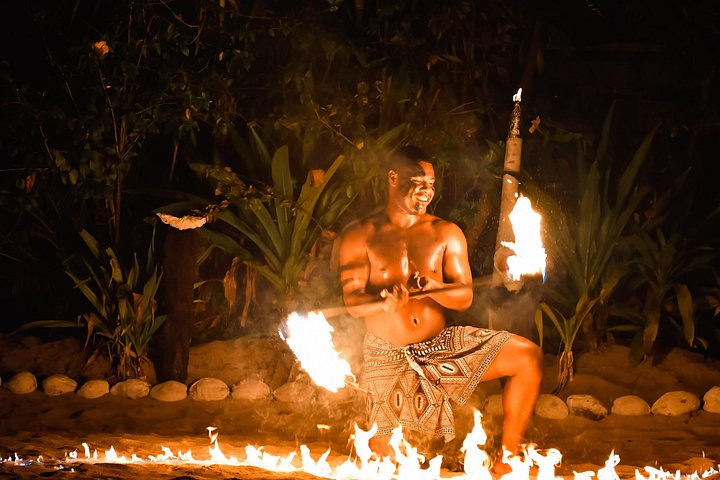
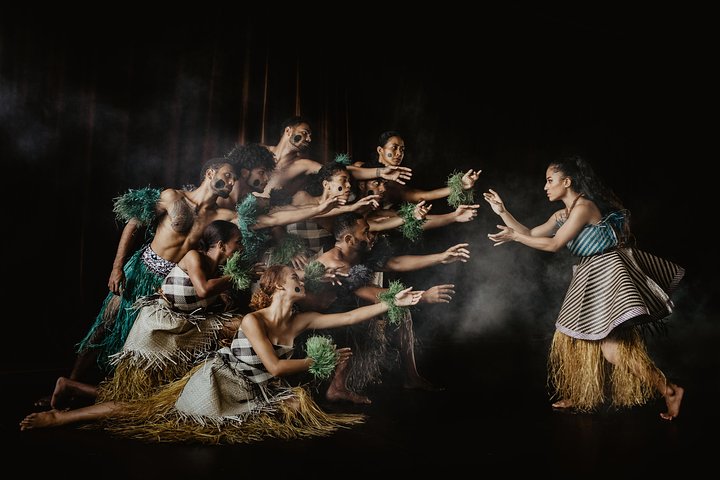
A lovo is a traditional oven made by heating stones in a pit, laying food on top, covering it with leaves and cooking it slowly underground. Meat, fish, cassava, taro and palusami, a parcel of taro leaves with coconut cream, come out smoky and tender. It is a feast for special occasions, and many resorts, cultural shows and village visits offer a lovo meal. The Fiji Untold dinner show and similar evenings give you a taste of the style alongside music and dance, which suits travellers who will not be invited to a village feast.
Indo-Fijian curry and roti
The Indo-Fijian community has made curry a daily food in Fiji. Look for goat, chicken and vegetable curries served with rice, dhal and roti, and for fried snacks such as samosas and bhajis. Roti shops and small curry houses around Nadi town are the best value meals in the country, and a lunch of curry and roti is usually far cheaper than a resort meal. Many dishes are spiced for local tastes, so say if you prefer mild. A visit to the Sri Siva Subramaniya Temple in Nadi pairs naturally with a curry lunch in town.
Fish, coconut and root crops
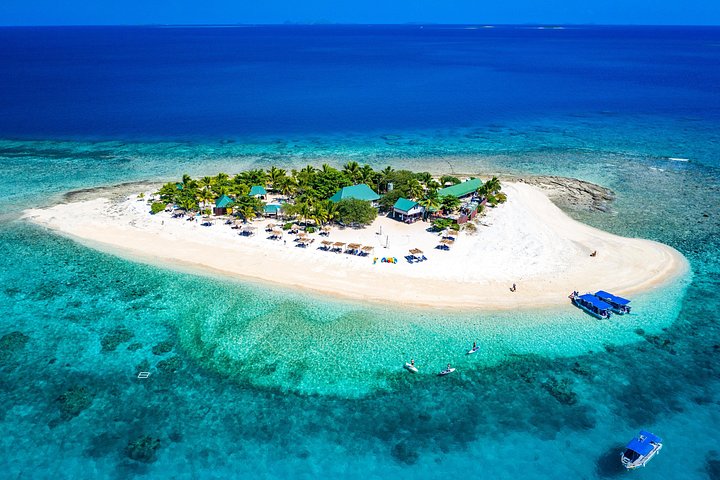
Fresh fish is everywhere, grilled, fried, or cooked in coconut milk. Rourou, young taro leaves cooked in coconut milk, is a gentle green side dish. Cassava, taro and sweet potato appear as the starch of many meals, and tropical fruit such as papaya, pineapple, mango and fresh coconut water makes a good breakfast. On a day cruise, lunch is often a simple buffet or barbecue with local fish, salads and fruit, so mention any allergies when you book.
Kava, the drink with a ceremony
Kava, called yaqona locally, is made from the ground root of a pepper plant mixed with water. It is the social drink of Fiji and an essential part of welcome ceremonies. The taste is earthy and peppery, and it numbs the lips and tongue slightly and relaxes people. In a village, your guide will explain the custom: you may be invited to clap once, take the cup, say bula, drink it in one go, then clap three times. Accept it in the spirit offered, and drink only as much as you are comfortable with. Visits such as the Viseisei village sightseeing tour explain the etiquette in context. Kava is not an alcoholic drink, but it can make you drowsy, so avoid driving afterward.
Markets and where to browse
The produce market in Nadi town is the place to see local fruit, vegetables, root crops, spices and kava root, and to buy bananas, pineapples or coconuts cheaply. Go in the morning when stalls are full, carry small notes and be ready to bargain gently for handicrafts but not for food. Sundays are quiet, and many shops and cafes close, so plan meals accordingly and rely on your resort.
Drinks and resort dining
Fiji has local beers, strong coffee and tropical cocktails at beach bars, and tap water is not recommended in many areas, so choose bottled or filtered water unless your hotel states otherwise. Resorts on Denarau have a wide range of restaurants, from Pacific and Asian to steak and seafood, and prices there are high compared with town, so many visitors mix one or two resort dinners with cheaper lunches in Nadi. Sunset bars on the beach, such as at Wailoaloa, are lively and relaxed.
Eating well without overspending
Have your main resort meal at lunch or dinner rather than both, take a curry lunch in town, buy fruit from the market and consider a day cruise that includes lunch. Check whether VAT and service are included before you order, and carry some Fijian dollars in cash for markets and small cafes.