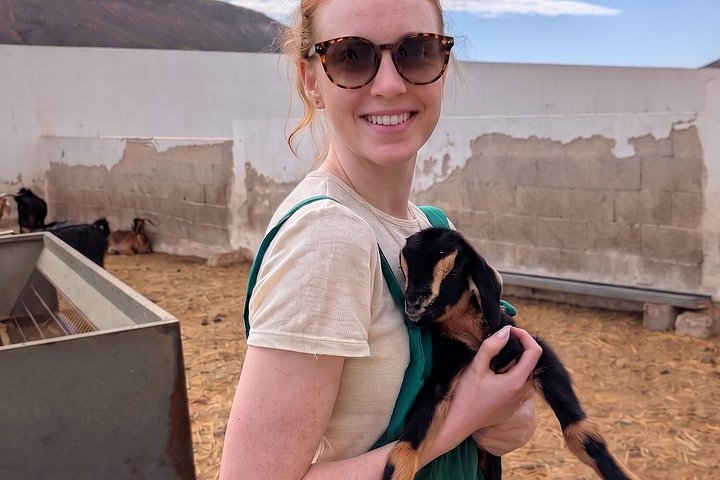
Fuerteventura’s signature food is its goat cheese. Queso majorero is made from the milk of the island’s Majorera goats, sometimes blended with ewe’s milk, and it carries a protected designation of origin. The cheese comes in three degrees of ripeness: tierno, semi-curado and curado. The rind may be rubbed with paprika, olive oil or toasted cornmeal, and well-ripened cheeses are slightly sharp, creamy and full of goat’s-milk character. The workshop linked here lasts about two and a half hours at a goat farm, where you watch the milking and the cheese being made, label your own cheese and enjoy a local breakfast. It is well reviewed and small enough to feel personal. It suits families, food lovers and anyone who wants to see the island’s rural side, and it makes a good morning on a day when the wind is too strong for the beach.
What the cheese is
Majorero is one of the Canary Islands’ best-known foods, and goats have been kept on Fuerteventura for centuries, grazing on the island’s dry, sparse land. The cheese ripens for at least eight days, and the three types range from soft and mild to hard and piquant. The different rinds change the flavour, so a tasting teaches you a lot in a short time. At the farm you will see how milk becomes cheese and meet the animals.
What to expect
The workshop includes watching milking and production, labelling a cheese, and a local breakfast. Check the booking details for the meeting point, what you take home and whether pickup is included, since farms are inland and a car helps. Wear closed shoes for the farmyard, bring a layer for the morning, and tell the farm about any allergies. Children are usually welcome and enjoy the goats.
Making the most of it
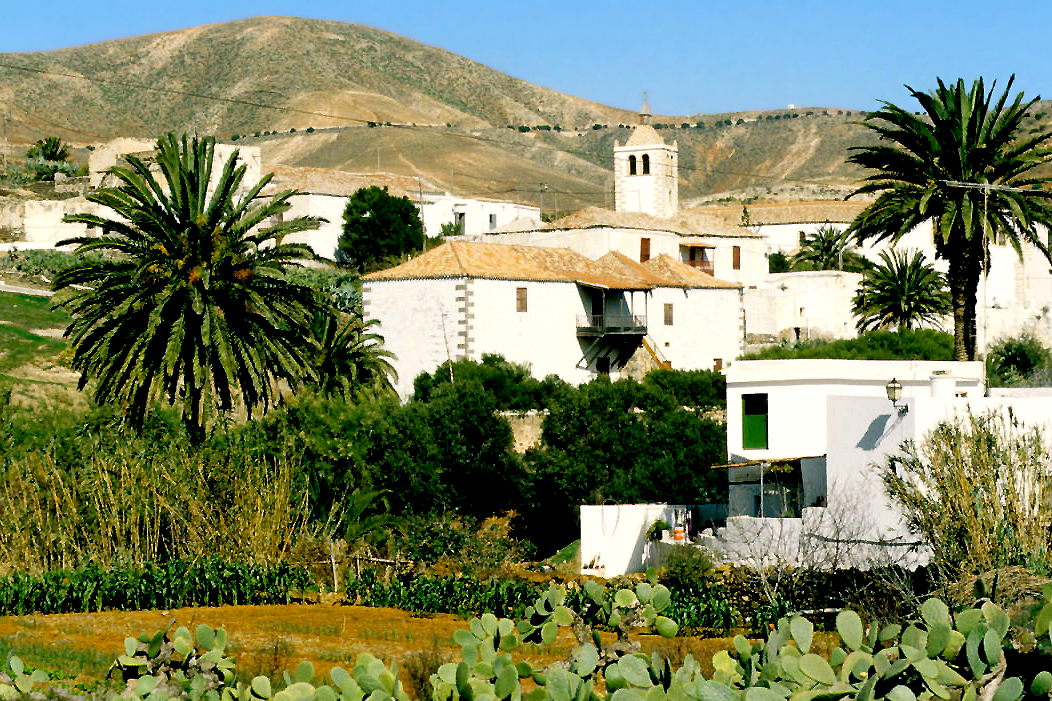
Buy a wedge of cheese to take home, and ask about how to store it. You will find majorero in the island’s supermarkets, markets and restaurants, often served grilled with mojo sauce or with local honey. Pair the workshop with Betancuria and the mountain drive, where restaurants serve goat dishes, or with a stop at an organic farm for olive oil and aloe vera. If you are travelling with a car, a morning at the farm and an afternoon at the Ajuy caves make a rewarding rural day.
What to expect
The experience
A hands-on farm workshop with milking, cheese-making, labelling your own cheese and a local breakfast.
Best time
Morning, when the animals are milked and the farm is at its liveliest.
How long
About two and a half hours including the breakfast.
Tips
Wear closed shoes, bring a layer, mention allergies in advance and check the meeting point and any pickup in your booking.
Quick picks
- Best for
- Food lovers and families who want to see the island’s rural side and taste its best-known product.
- Families
- Children enjoy the goats and the hands-on cheese-making, and the breakfast keeps everyone happy.
- Couples
- A relaxed, personal morning, followed by a scenic drive through the mountains.
- Pair with
- Betancuria and the Ajuy caves for a rural day inland and on the west coast.
- Time needed
- A morning, including travel to the farm.
Good questions
What is majorero cheese?+
It is Fuerteventura’s protected goat cheese, made from the milk of Majorera goats and sometimes blended with ewe’s milk. It comes as tierno, semi-curado and curado, from mild to sharp.
What happens at the workshop?+
You watch the milking and the cheese being made, label your own cheese and have a local breakfast. It lasts about two and a half hours.
Is it suitable for children?+
Yes, children usually enjoy the goats and the hands-on part. Check the booking for any age guidance.
How is the rind flavoured?+
The rind may be rubbed with paprika, olive oil or toasted cornmeal, which changes the flavour. Ripened cheeses are creamy with a slightly sharp finish.
Where can I buy majorero cheese?+
You will find it in the island’s supermarkets, markets and restaurants, and the farm may sell cheese too. Ask how to store it for the journey home.