Fukuoka has a reputation among Japanese travellers as one of the best food cities in the country, and the reason is simple: great meals here are cheap, casual and everywhere. You do not need a reservation at a famous restaurant to eat well. A counter shop near the station, a pavement stall by the river or a department-store basement will do the job. This guide explains the dishes worth planning around, how the stalls work, and what to drink, with an emphasis on habits and patterns rather than specific restaurants, which come and go.
Hakata ramen
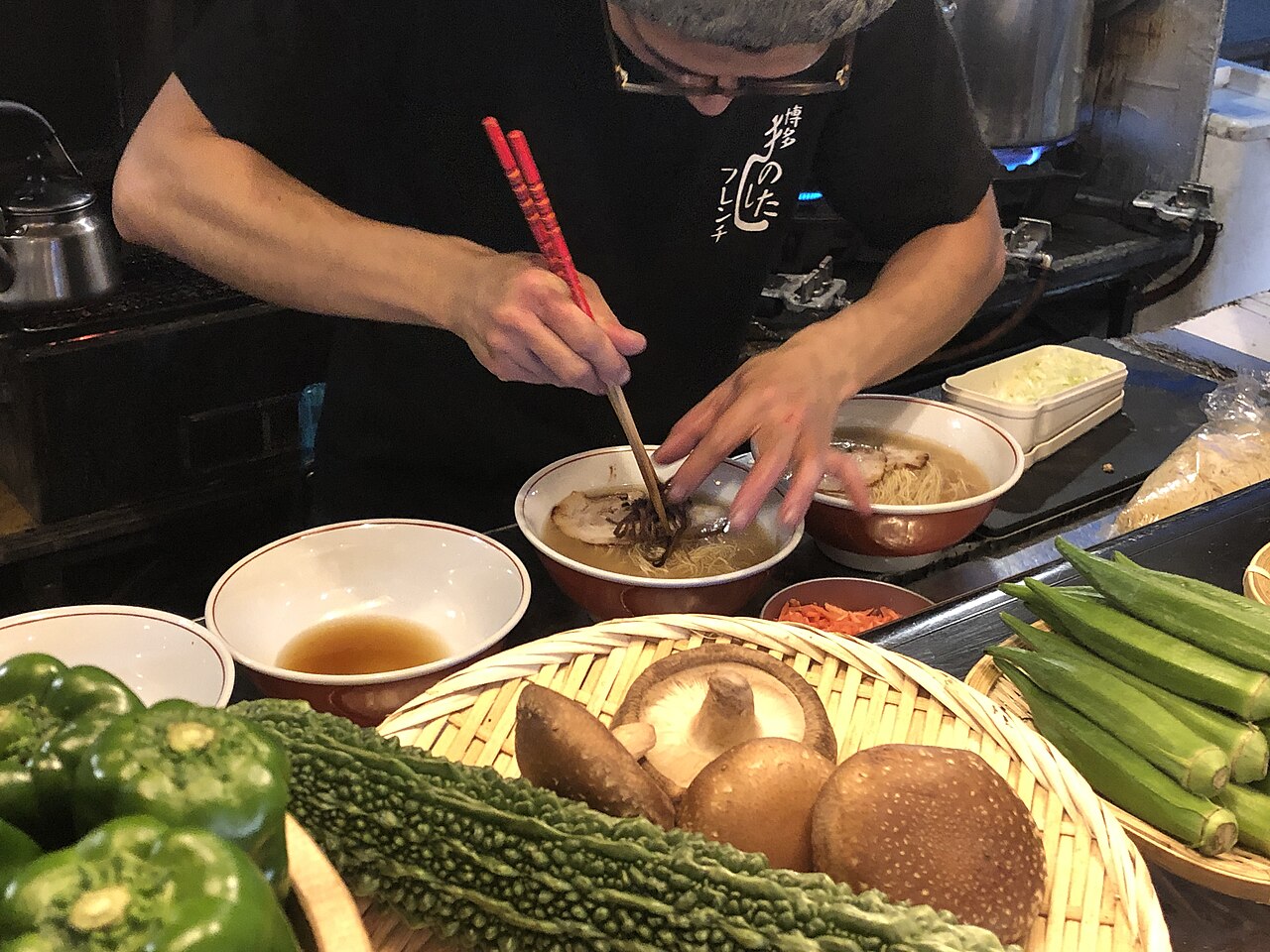
The classic bowl is made with a cloudy pork-bone broth, thin straight noodles cooked firm, a few slices of pork, spring onion and red pickled ginger. Because the noodles are so thin they soften quickly, diners order a second portion, called kaedama, when the first is nearly finished. Many shops use ticket machines or order sheets on which you choose the firmness of the noodles and the richness of the soup. Firm is the local default. Spicy mustard greens, sesame and garlic are usually free at the table, so taste first and then adjust. Our ramen guide covers the style in more detail.
Yatai, the open-air stalls
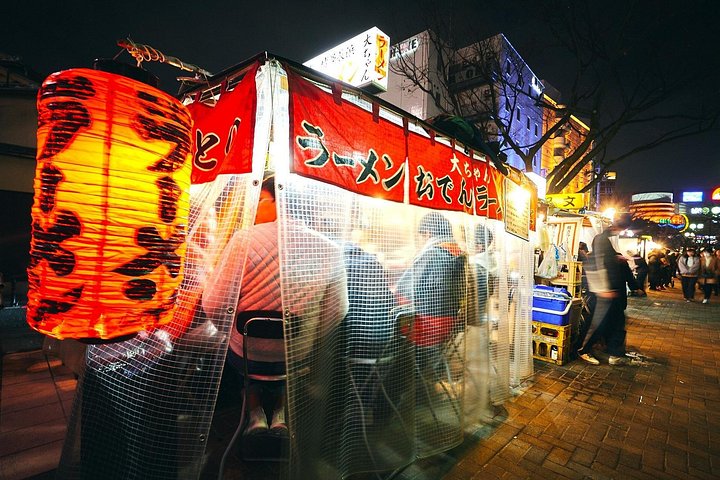
The food stalls that set up along the river at Nakasu, in Tenjin and in Nagahama are as much a social experience as a meal. Each stall seats around eight people at a shared counter, the cook works in front of you, and the usual pattern is to eat a little, pay, and move on. Order at least one dish per person, ask the owner before you sit, and carry cash since many stalls still prefer it. Typical dishes include ramen, yaki ramen, grilled skewers, oden and seasonal seafood. Stalls open in the evening and may close early in bad weather. If you would feel shy, a guided evening makes the first visit easy.
Regional specialities to look for
Mentaiko, spicy marinated pollock roe, is the best-known local product and appears in rice balls, pasta, omelettes and on its own as a side dish. Motsunabe is a hot pot of beef or pork offal with cabbage and chives, usually served in a soy or miso broth, and it is warming and savoury in winter. Mizutaki is a gentler chicken hot pot, simmered in clear stock and eaten with citrus soy. Goma-saba is fresh raw mackerel dressed in sesame and soy, and it is a staple of izakaya menus. Hakata udon has soft, elastic noodles rather than the firm texture found elsewhere, and is often topped with burdock tempura. At Dazaifu, look for the grilled rice cakes sold at the stalls along the approach to the shrine.
Beyond the city
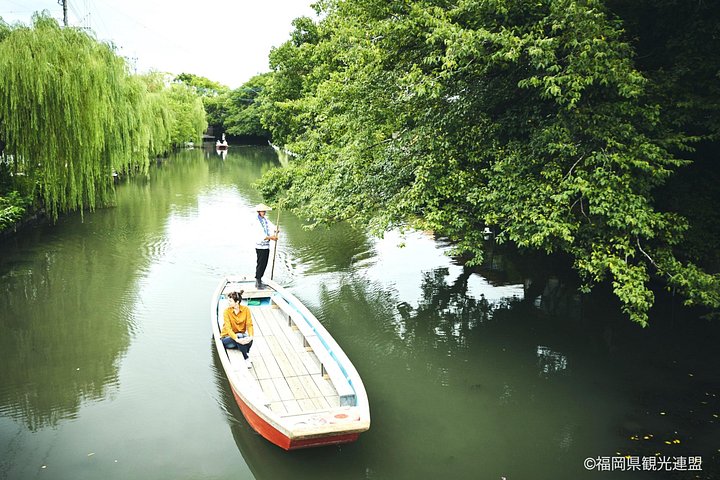
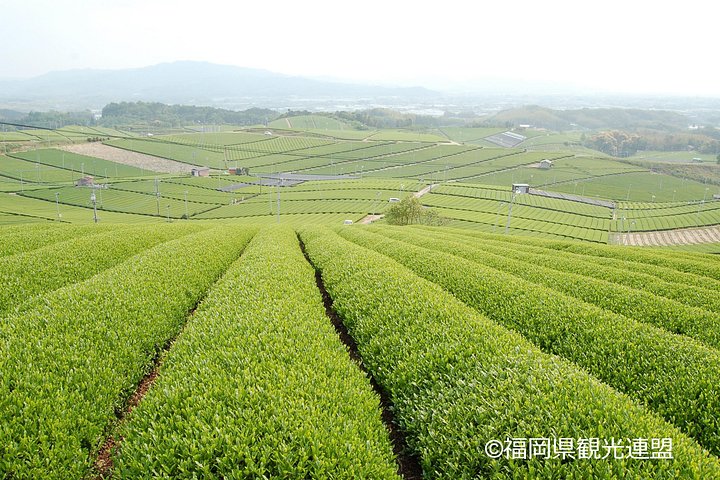
Day trips add more flavour. Yanagawa is known for eel steamed over rice, and a punt ride through the canals often ends with a lunch of it. Itoshima has oyster huts in the cooler months, where you grill oysters at the table, and its cafes serve coastal produce in summer. Yame, in the south of the prefecture, grows fine shaded tea, and tastings there pair well with a sake stop. Nokonoshima Island offers barbecue on a tour with views over the bay.
Drinks
Fukuoka drinkers favour shochu, a distilled spirit made from sweet potato or barley, and it is served on ice, with water or hot in cold weather. Beer is everywhere, and local sake from the prefecture breweries is worth sampling at an izakaya, where small dishes arrive in a stream and you share them. Many bars have a small seating or starter charge, called otoshi, which is normal and brings a little dish. The legal drinking age in Japan is twenty.
Etiquette and practical tips
Say itadakimasu before you eat if you like, but it is not required, and slurping noodles is normal. Tipping is not practised. Many small places are cash only, so carry notes and coins. Counter seating is common, so travel light and be ready to share. If you have dietary restrictions, remember that pork is the base of many broths, soy and fish stock are widespread, and vegetarian choices are limited at classic shops, so look for places that advertise plant-based bowls and check before you sit down. Allergies are best explained with a written card in Japanese.
A sample food day
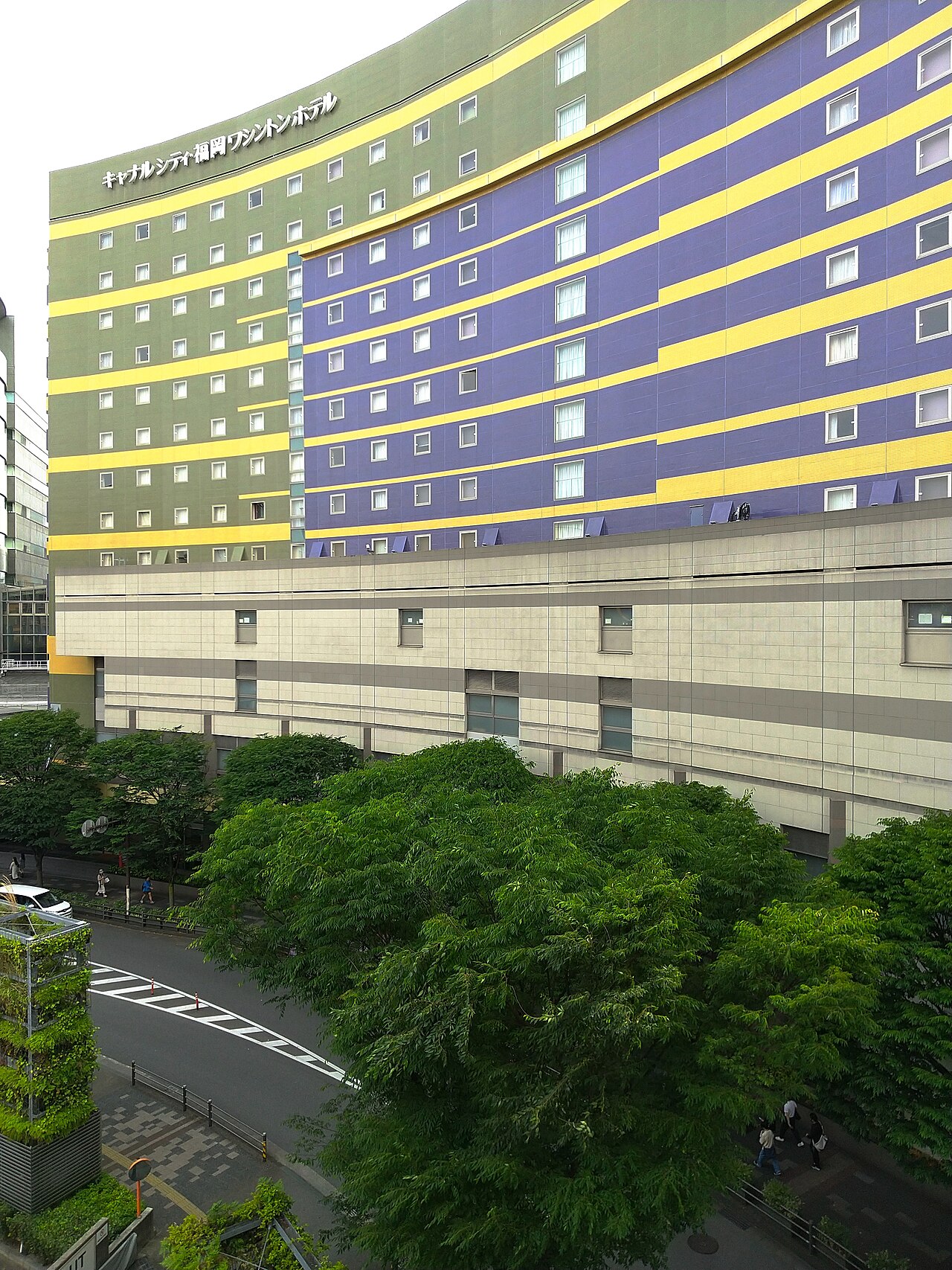
Start with a light breakfast of rice, fish and miso soup at your hotel, or a pastry with mentaiko from a bakery. Have a ramen lunch at a counter shop before visiting Kushida Shrine, a coffee in Canal City or Tenjin, and an early evening visit to the stalls at Nakasu before the crowds build. Finish with a second small stop for oden or skewers, and a late bowl of ramen if you still have room, which is a local tradition.
Planning around the calendar
Winter is the season for hot pots and oysters, spring for tea and strawberries, summer for cold noodles and seafood, and autumn for chestnuts, new rice and hot pot again. Festival days, such as the May Dontaku and July Yamakasa events, bring extra stalls to the streets, so the city is a pleasure to eat in all year round.