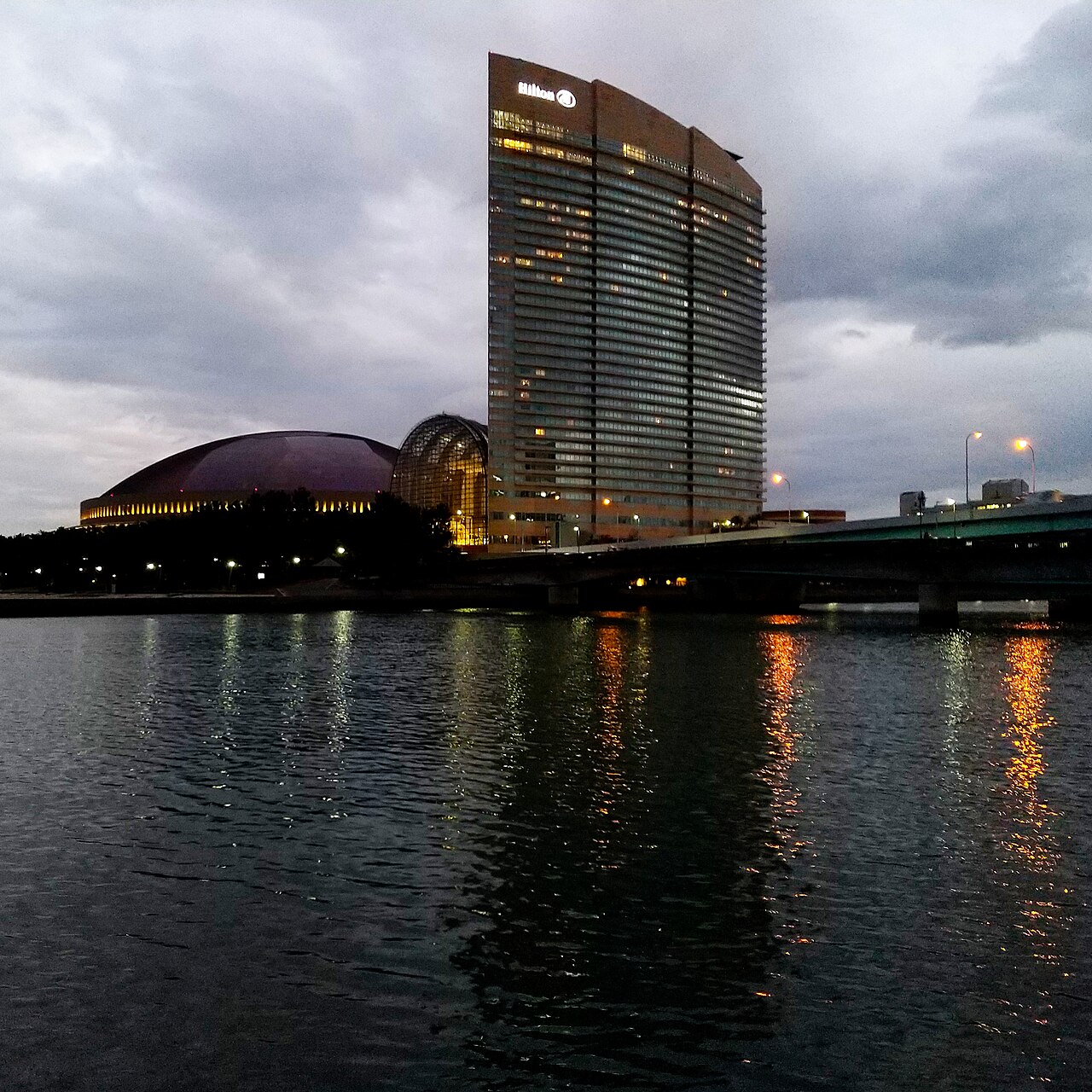
Fukuoka is a year-round city with a mild climate, and there is no truly bad month for food, shrines and shopping. What changes with the seasons is the outdoor scenery, the crowds and the events. Spring and autumn are the best all-round times, summer suits festivals and beaches if you can handle the humidity, and winter is quiet, mild and good for hot pots. This guide sets out what each season offers so that you can match your dates to your priorities.
Spring: late February to May
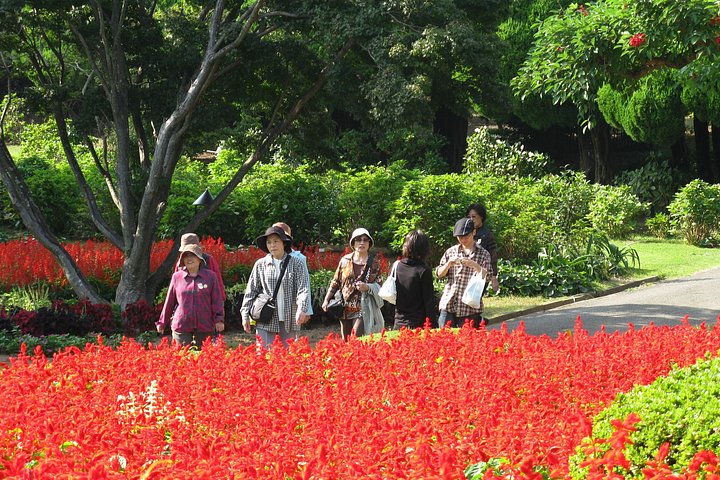
The plum blossom at Dazaifu Tenmangu begins in late February and is one of the most beautiful short outings from the city. Cherry blossom follows from late March into early April, with the best displays around Ohori Park and the castle ruins, where crowds gather for picnics under the trees. In late spring Nokonoshima Island Park fills with rapeseed, daisies and other flowers, and the weather is warm and mostly dry. The Hakata Dontaku festival takes over the streets on the third and fourth of May, with parades and music, and it coincides with Golden Week, when hotels and trains are very busy across Japan, so book early for that stretch.
Early summer: June to mid-July
The rainy season arrives in June and runs into July, with grey skies, frequent showers and rising humidity. It is the quietest period for tourism and a good time for indoor activities such as teamLab Forest, Canal City and the museums, and prices are often lower. It is also a green, lush season at gardens and shrines. Carry a compact umbrella and quick-drying clothes. Preparations for the Hakata Gion Yamakasa festival begin in June, and the festival floats are not on public display at Kushida Shrine during that month.
Summer: mid-July to August
The main event is the Hakata Gion Yamakasa festival, which runs for the first half of July and ends with a dawn race on the fifteenth, when teams carrying huge floats rush through the streets. It is exciting but demanding, so decide in advance whether you want to stand in a crowd at dawn. After that, the weather is hot and humid, with daytime temperatures often in the low thirties Celsius, and it is best to schedule outdoor sightseeing early or late and keep the middle of the day for air-conditioned sights. Sunflowers bloom on Nokonoshima, beaches at Itoshima and Momochi are at their liveliest, and evening is a pleasant time at the yatai stalls, although some may close in storms.
Autumn: September to November
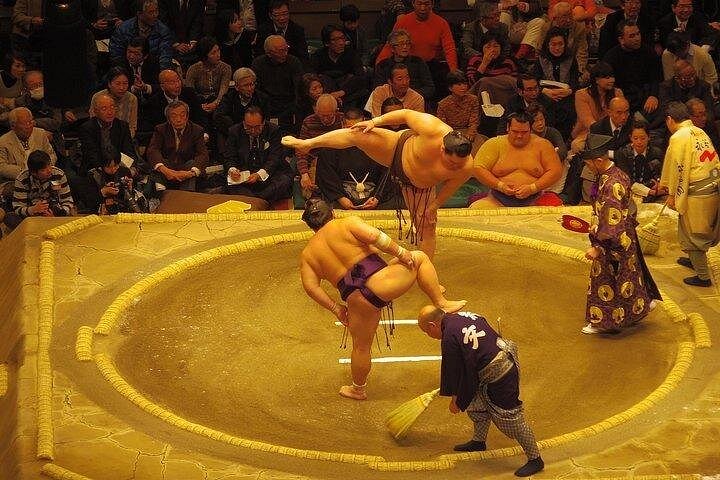
September can still be hot, and typhoon season runs from late summer into early autumn, so keep your plans flexible and check forecasts. From October the air turns clear and comfortable, which makes it the best period for walking and day trips. Dahlias and cosmos fill Nokonoshima, and the leaves begin to turn in late October in the mountains and in mid to late November in the city. The November sumo tournament brings crowds and a festive feeling to Hakata, and hotels near the venue fill early. The ginkgo at Kushida Shrine turns gold in late autumn.
Winter: December to February
Fukuoka winters are mild by Japanese standards, with cool, often dry days and occasional cold snaps and little snow in the city. It is a good time for motsunabe and other hot pots, and for oysters at Itoshima, where huts open in the cooler months. Yanagawa runs kotatsu boats from December to February, with a heated table and a blanket for passengers, which is a cosy way to see the canals. Daffodils and winter flowers brighten Nokonoshima. Crowds are light apart from the New Year holiday, when shrines are busy and some shops and restaurants close for several days, so check ahead if you plan to travel then.
Choosing your dates
If you want flowers, aim for late March to early April or mid to late May, and for plum blossom at Dazaifu choose late February to early March. If you want festivals, choose early May for Dontaku or mid-July for Yamakasa. If you want comfort and clear skies, aim for October and early November. If you want to save money or avoid crowds, choose winter outside the New Year period, or the rainy season, as long as you pack a good umbrella.
Packing and practical notes
In spring and autumn, bring layers, since mornings and evenings can be cool. In summer, pack light fabrics, sunscreen, a hat and a small towel for the heat. In winter, bring a warm coat for evenings at the stalls. Comfortable walking shoes matter all year, and a compact umbrella is useful in every season. Keep cash for stalls and small shrines, and remember that several attractions have seasonal hours or close for maintenance on certain weekdays, so check the venue pages before a long trip.