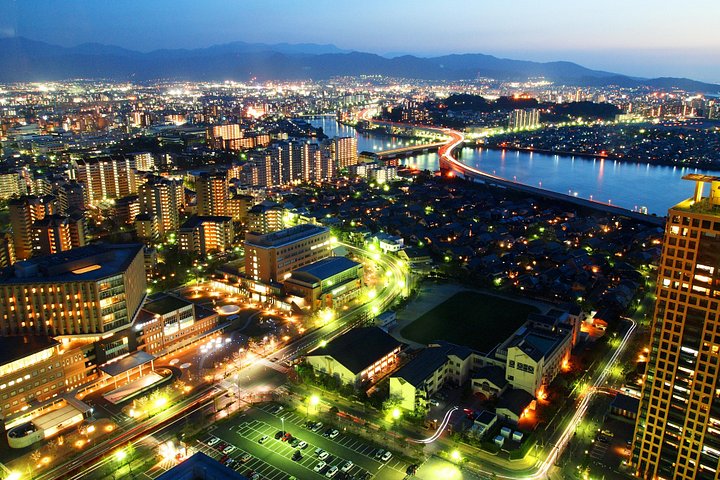
Fukuoka is one of the easiest big cities in Japan for a first visit. It is compact, friendly and unusually close to its airport, the sea and the countryside, and its food culture is famous across the country. The city is built around two centres, Hakata with the main station and the old temple and shrine quarter, and Tenjin with the shopping and business district, and the waterfront at Momochi lies to the west. Most of the headline sights are within a short subway or bus ride of each other, which makes it ideal for a long weekend or a relaxed three days.
What to book ahead
Very little is essential, but a few things reward planning. teamLab Forest Fukuoka sells timed tickets that cannot be rescheduled, so buy ahead for the date you want. A guided yatai evening is the easiest way to enjoy the food stalls if you do not read Japanese. Day trips to Dazaifu, Yanagawa and Nokonoshima can be done independently, but guided versions save time on transport. Hotels near Hakata Station and Canal City fill up in the autumn, around the sumo tournament in November and around big stadium events, so reserve early.
Getting around
The subway is the backbone of the city, with three lines that link Hakata Station, Tenjin, Nakasu and the airport in minutes. Buses fill the gaps, including routes to Fukuoka Tower and the Momochi waterfront. Taxis are plentiful and inexpensive for short rides. For day trips, the private Nishitetsu railway runs from Tenjin to Dazaifu, usually with one change, and to Yanagawa in about an hour. Keep some coins and a transit card handy, and note that the last trains leave well before the food stalls close.
How many days
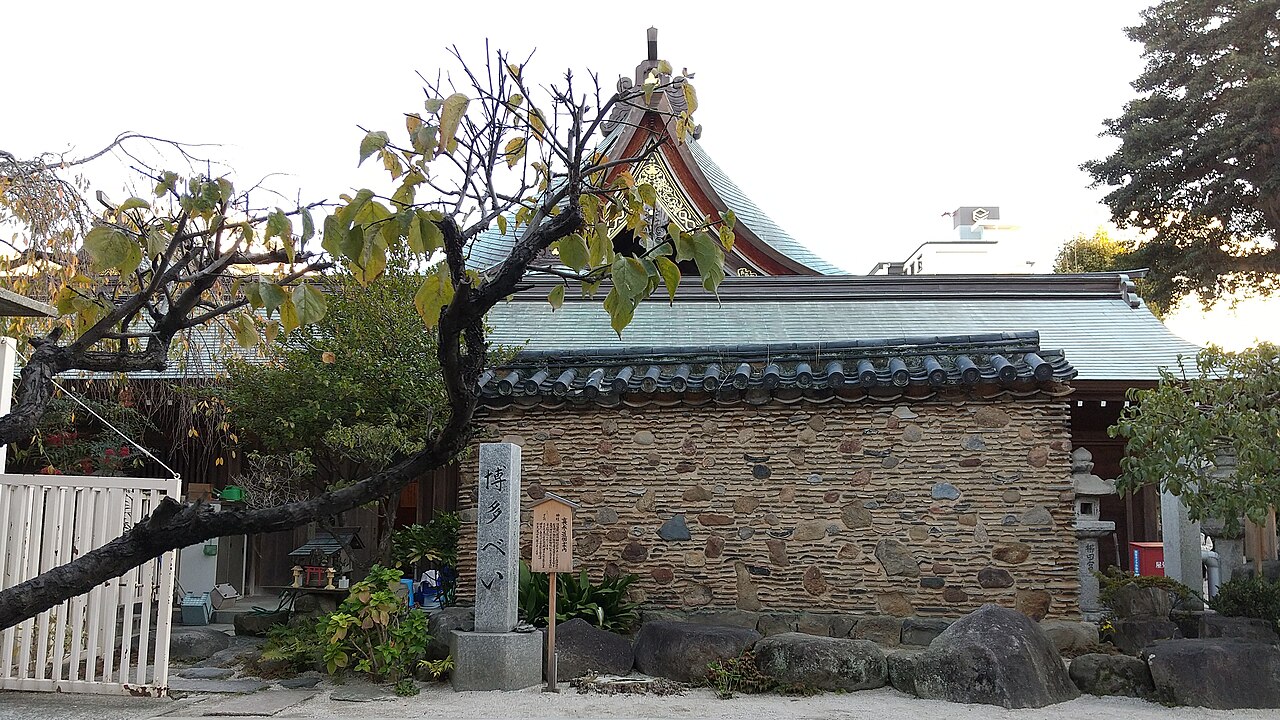
Two days covers the essentials, three allows a day trip, and four lets you add the island or a slower pace. A good first day starts in old Hakata with Kushida Shrine and Tochoji Temple, then a ramen lunch, an afternoon at Canal City, and an evening at the yatai stalls on the river. A second day can split between Ohori Park and the castle ruins in the morning and Fukuoka Tower and Momochi at sunset, with teamLab Forest Fukuoka if the weather is wet. A third day suits Dazaifu Tenmangu, Yanagawa or Nokonoshima, depending on the season and your interests.
Food first
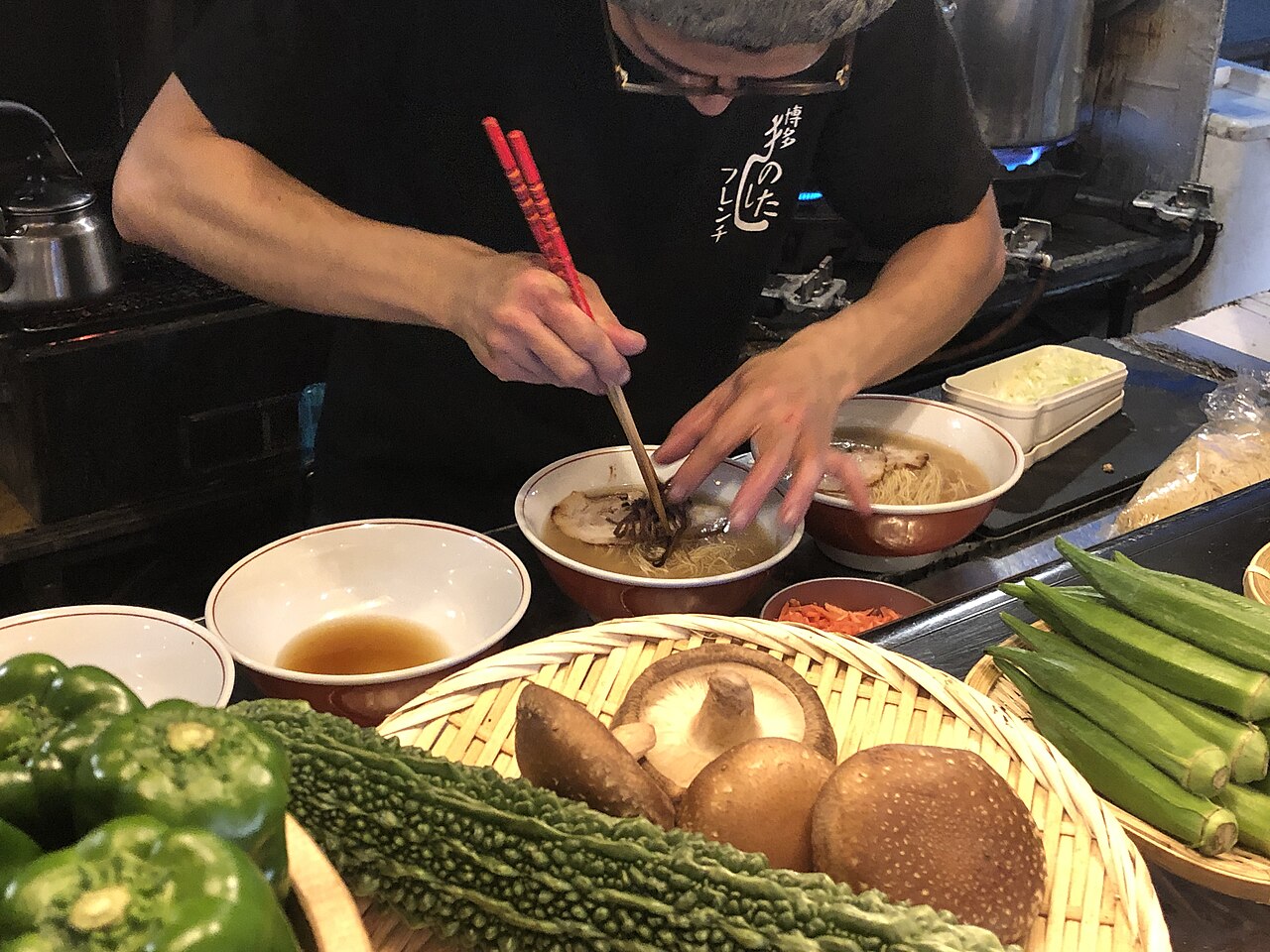
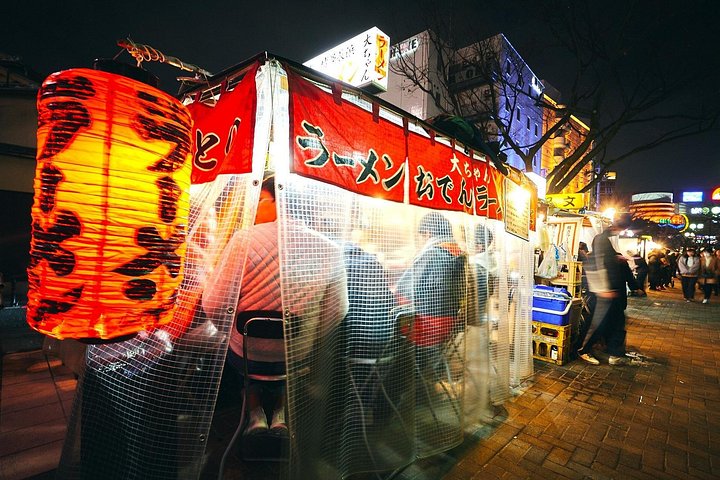
Eating is the main event. Hakata ramen, with its pork-bone broth and thin noodles, is the signature dish, and the yatai stalls serve it alongside oden, grilled skewers and seafood. Order at least one dish per person at a stall, carry cash, and expect to move on after a plate or two. Nakasu is the most scenic cluster, Tenjin the calmest, and Nagahama the place for a late-night bowl. You can also eat well in department store basements, in the restaurants at Canal City and in small counter shops near every station.
Seasons and timing
Spring brings cherry blossom at the castle ruins and Ohori Park, and plum blossom at Dazaifu from late February. Summer is hot and humid, with the Yamakasa festival in July and flowers and sunflowers on Nokonoshima, while autumn offers clear days and cosmos and dahlias at the island park. Winter is mild, with kotatsu boats at Yanagawa from December to February. Many sights keep seasonal hours, so check closing times, especially for the temple halls, which close in the late afternoon.
Practical tips
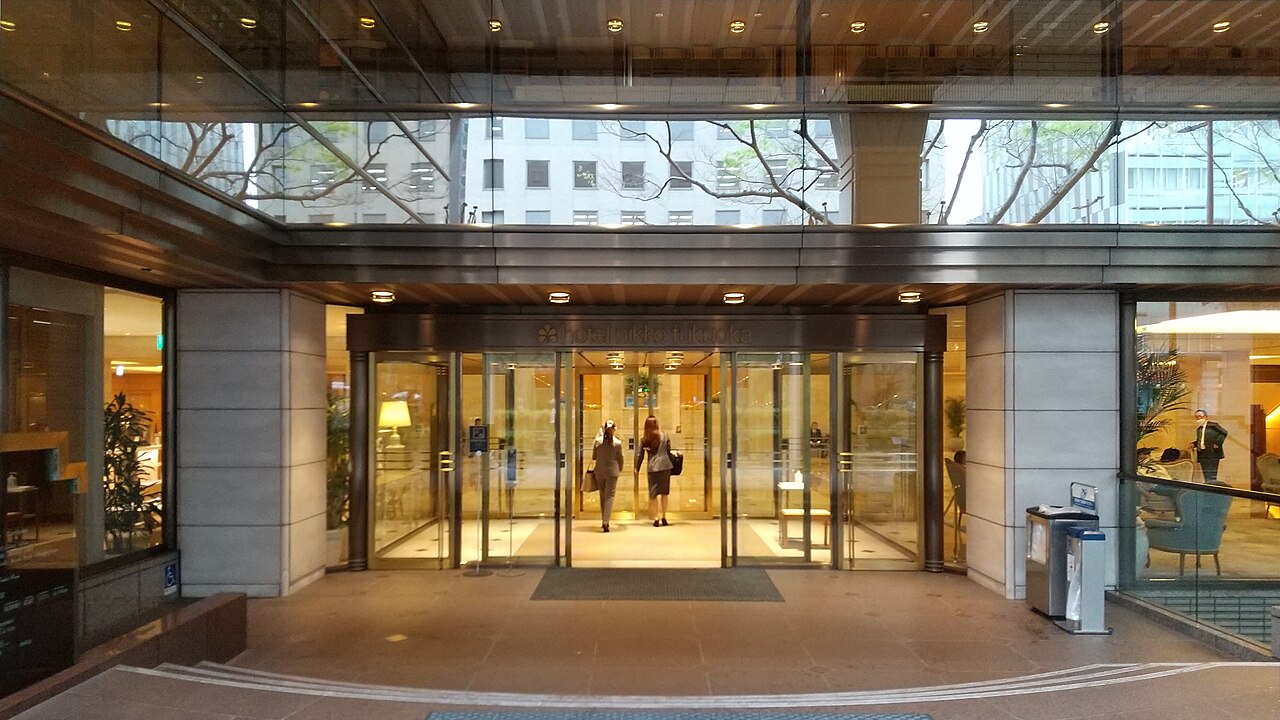
Carry some cash, since stalls, small shrines and temples often prefer it, and remove your shoes where asked. Speak quietly in shrines and temples and ask before photographing people. Leave large luggage at your hotel or in a station locker before heading out to the stalls. For where to sleep, Hakata Station and Canal City suit most first-time visitors, while Momochi suits families and sports fans. Our hotel picks cover both, and the guide to where to stay explains the choice.