Fukuoka rewards a slow three days better than a rushed week. The city is compact, the subway is simple, and every day can end with a bowl of ramen or a seat at a food stall. This plan keeps walking to a sensible level, puts the shrines and temples on the first day when you are fresh, spends the second on the green and waterfront side of the city, and saves a trip out of town for the third. Swap the days around to suit the weather, because the outdoor sights are happiest in the sun and the indoor ones work well in rain.
Day one: old Hakata, Canal City and the river
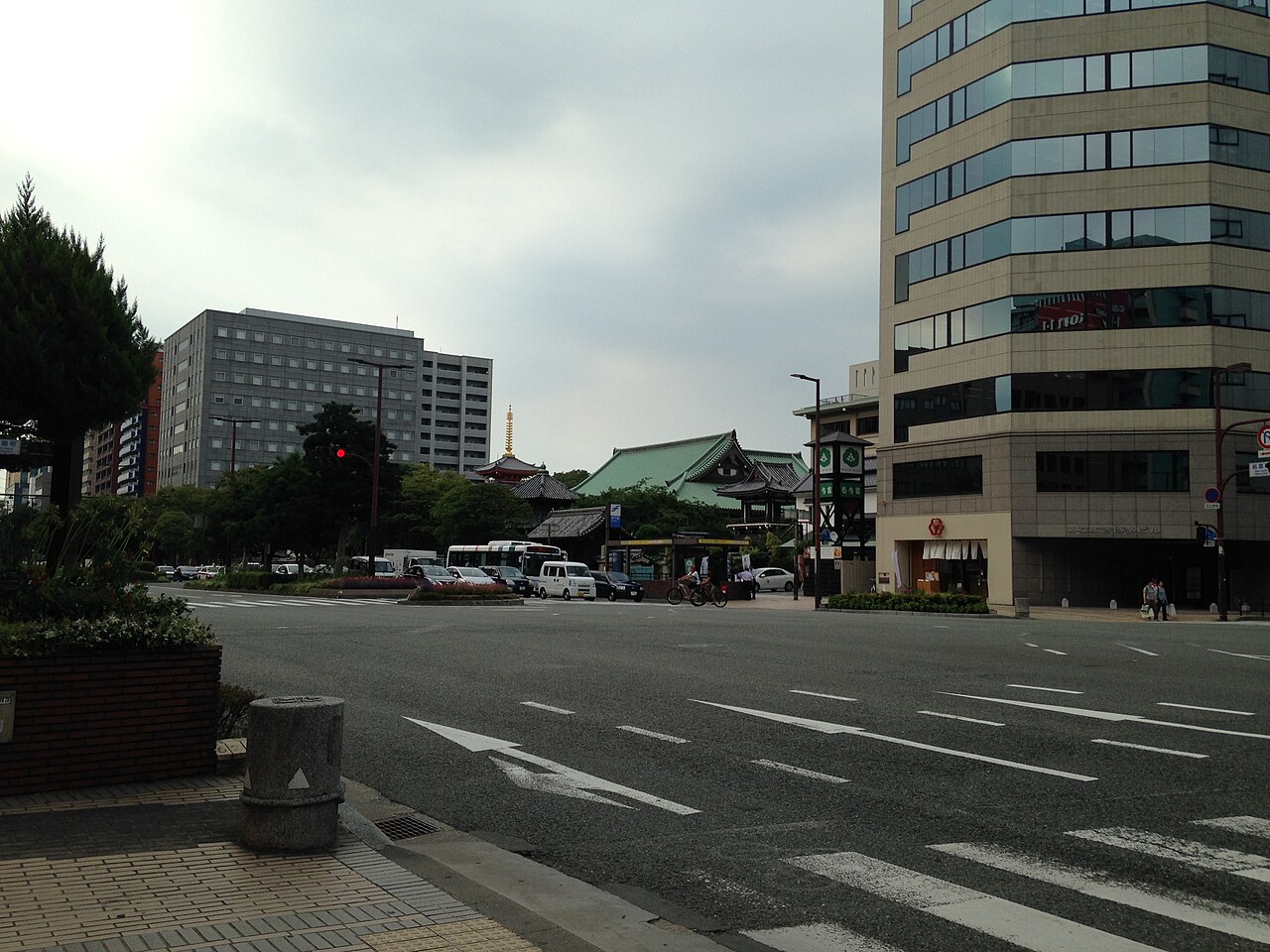
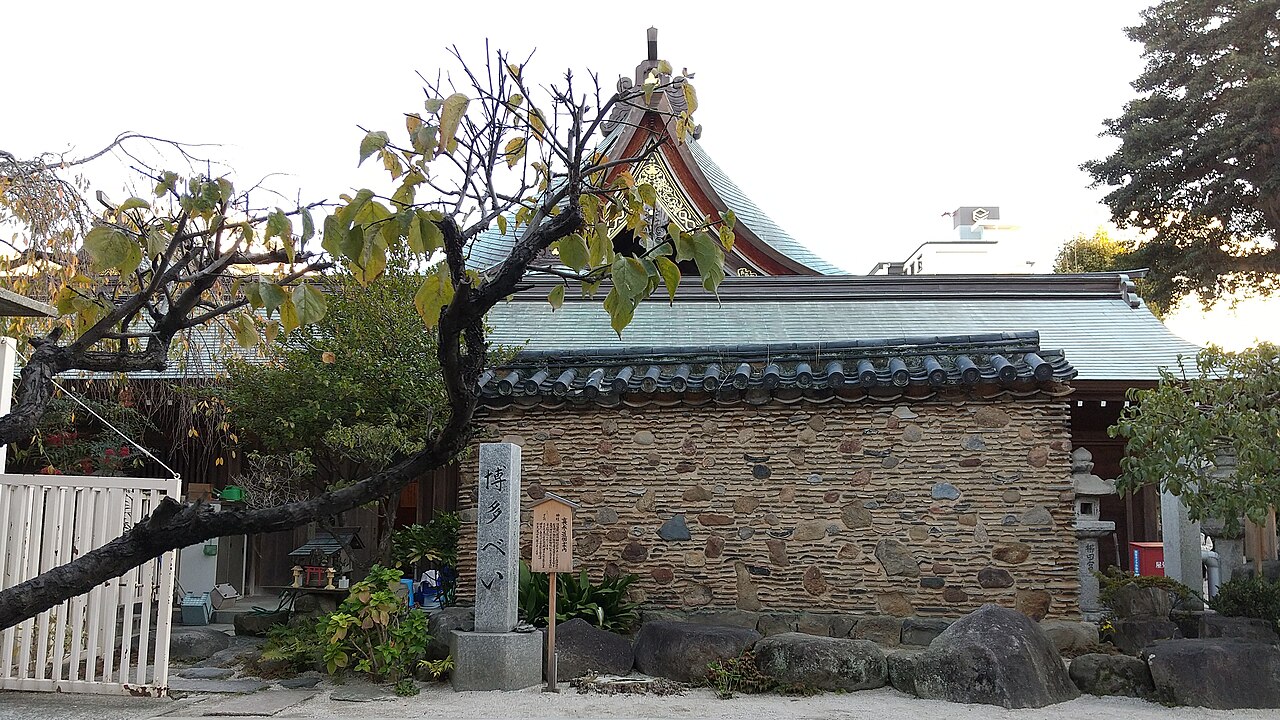
Start in the temple quarter near Gion Station, where Tochoji Temple holds a large seated wooden Buddha and the streets around it are quiet in the morning. Walk across to Kushida Shrine, the home of the Yamakasa festival, and spend half an hour among the festival floats and the old ginkgo. A short walk brings you to the Kawabata shopping arcade and Canal City Hakata, a good place for a lunch of Hakata ramen at a counter shop, and for an hour of shopping or watching the fountain show. In the late afternoon, rest at your hotel and head for Nakasu at dusk, where the yatai stalls open along the river. Eat a little at two or three stalls rather than a lot at one, and carry cash.
Day two: castle park, tower and waterfront
Spend the morning at Ohori Park and the ruins of Fukuoka Castle, which sit side by side on the west side of the centre. The park has a lake, a path of about two kilometres around it and boats if you want to row, and the castle ruins give panoramic views from the old stone walls. After lunch in Tenjin, take a bus to the Momochi waterfront for Fukuoka Tower and the man-made beach, and time your climb for the late afternoon so that you catch the sunset and the lights. If the weather turns, teamLab Forest Fukuoka is close by and works as a sheltered alternative that suits children and adults alike. Dinner can be a counter meal in Tenjin or a seafood restaurant, depending on your appetite.
Day three: a day beyond the city
The easiest option is Dazaifu, about half an hour from Tenjin by private railway, usually with one change. Dazaifu Tenmangu is the shrine of learning, with a bridge over a pond, a long approach lined with shops and a famous rice cake sold fresh at the stalls, and the museum quarter next door. Plum blossom from late February makes it especially lovely. If you would rather be on the water, Yanagawa offers a slow punt ride through its canals followed by a traditional eel lunch, and Nokonoshima Island is a short ferry ride away for flowers and sea views. Pick one, because the transport takes time. Return in the evening for a last bowl of ramen or a quiet drink near your hotel.
Moving around
The subway has three lines that link Hakata Station, Tenjin and the airport, and it is quick, clean and easy to use with a transit card. Buses cover the waterfront and the castle park, and taxis are inexpensive for short hops. Trains for Dazaifu and Yanagawa leave from the Nishitetsu terminal at Tenjin. Carry cash for stalls and small shrines, avoid large bags in the evening at the yatai, and note that the last trains leave well before the stalls close. Japan has no tipping, so the price you see is the price you pay.
Rainy-day and tired-legs swaps
If rain sets in on day one, move the shrine and temple visits into a gap between showers and shift the ramen and Canal City to the middle of the day. On day two, trade the castle park for teamLab Forest, and take the tower after the rain clears. If you are tired on day three, skip the day trip and spend the time at the Tenjin underground mall, or take a long lunch at a counter in Hakata Station. A three-day stay has room for a slow morning, so build one in.
Where to stay
Canal City and Gion suit most first-time visitors because the shrines, the river and the stalls are all on foot. Hakata Station is best if you have early trains, and Tenjin is best for shopping and for rail day trips. Our hotel picks cover each area, and the guide to where to stay explains the choice. Book early for November, when the sumo tournament brings crowds, and for the spring blossom weeks.
What to book ahead
Very little is essential, but a guided yatai evening is useful on the first night if you do not read Japanese, and teamLab Forest uses timed tickets. A day tour is worth considering if you want to see Dazaifu together with other towns, and a small-group trip saves time on transport. Everything else can be done on the day, which leaves room for the unplanned bowl of ramen that tends to become the highlight of the trip.