Gdańsk is a year-round destination, but the experience changes a great deal from season to season. The Main Town and the museums are good in any weather, while the beaches, boat trips and towers belong to the warmer months, and winter brings a different kind of charm. This guide explains what to expect in each season, which events are worth planning around and which opening hours change, so that you can choose the time of year that suits your interests.
Summer: beaches, long days and crowds
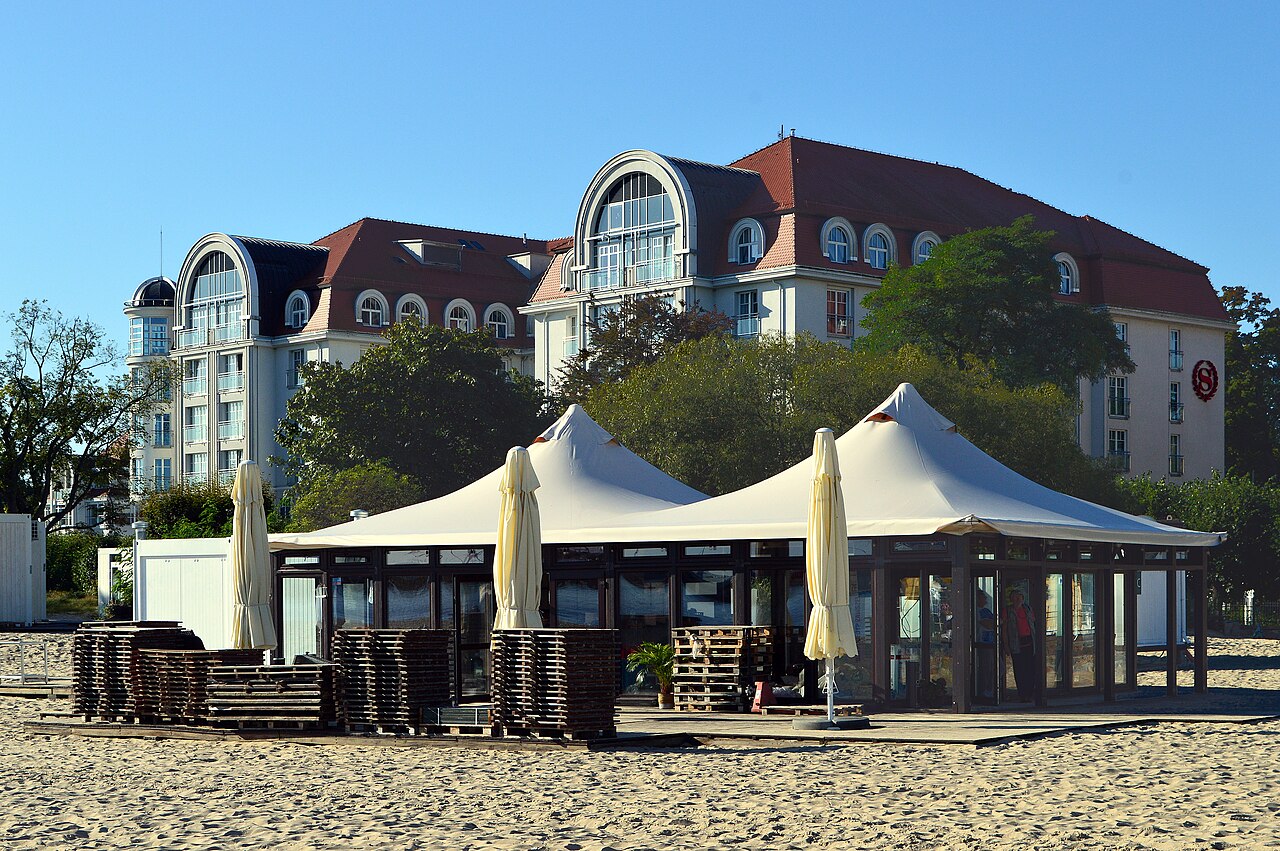
From June to August the Baltic coast is at its liveliest. Days are long, with light until late in the evening, temperatures are generally pleasant rather than hot, and the Sopot pier, the beaches of the Tricity and the Hel Peninsula are at their best. Catamarans run to Hel, the towers are open, outdoor terraces fill up and the Motława riverside is busy until late. The price of the season is crowds and higher hotel rates, especially at weekends. Book accommodation and popular tours well ahead, and expect the Royal Route to be busy by mid-morning. A famous summer event is the Dominican Fair, a long-running street market held in the Main Town in the height of summer, with stalls, music and street performers, and the International Organ Music Festival at Oliwa Cathedral also takes place in summer.
Spring: fresh, quiet and good value
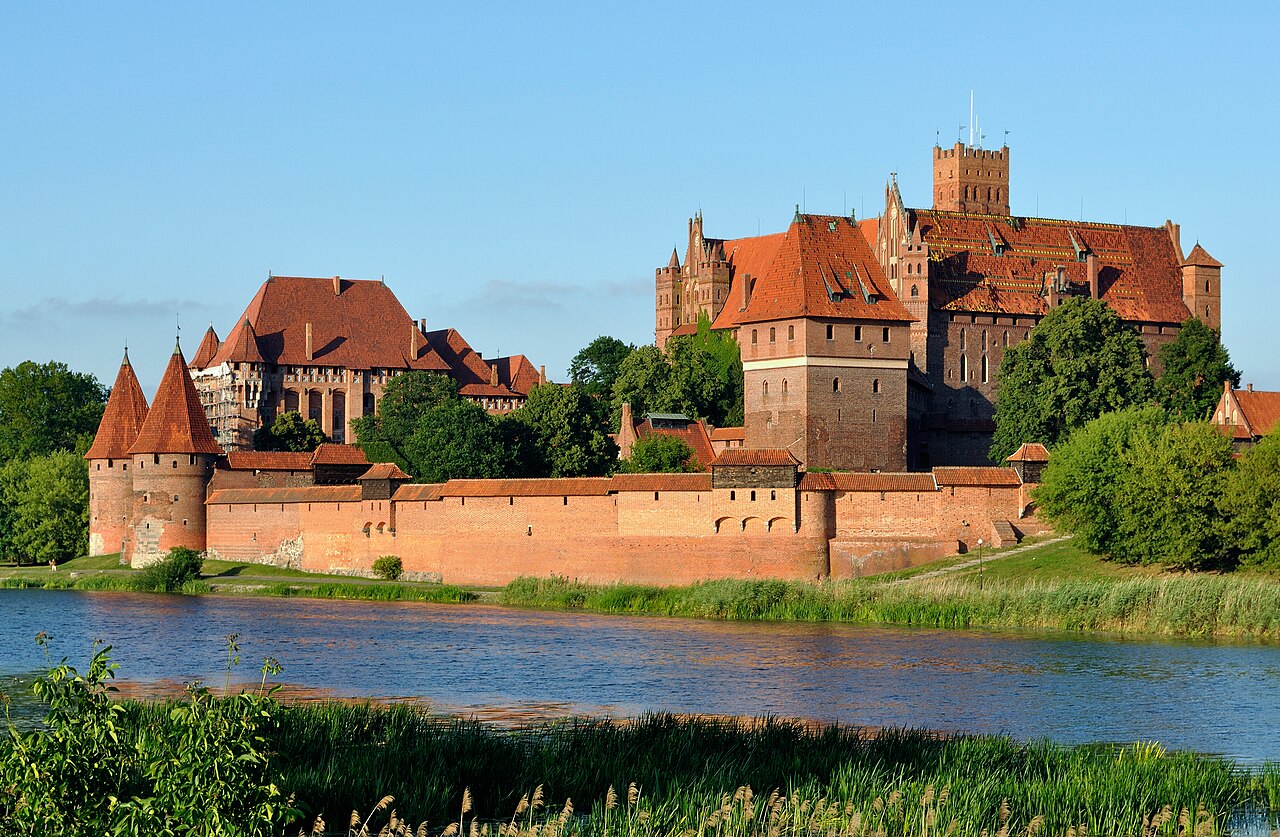
From April to early June the city wakes up. The parks are green, the museums are uncrowded, the towers and seasonal attractions reopen and the light is clear and bright. It is still cool, and sea breezes can be cold, so bring layers and do not plan on swimming. Spring is an excellent time for walking tours, day trips to Malbork and Oliwa, and photography, and prices are usually lower than in summer. The Malbork Castle timetable moves from its winter hours to longer summer hours in the spring, which gives you more time inside.
Autumn: golden light and calm
September and October are among the best months of all. The summer crowds thin out, the weather is often mild and bright in early autumn, and the Baltic light turns golden. The beaches are quiet and good for long walks, the museums are comfortable and hotel rates fall after the summer peak. Later in autumn it becomes colder and wetter, the days shorten and some seasonal services wind down. Storms can also wash amber ashore on the Baltic beaches, a good reason to walk the shoreline after rough weather.
Winter: atmosphere, museums and Christmas markets
From late November to February Gdańsk is cold, dark early and often grey, but it has a charm of its own. The Main Town gains a Christmas market in the run-up to the holidays, with stalls selling mulled wine, gingerbread and amber, and the lit facades of the Royal Route are especially beautiful. Winter is the best time for the great history museums, which are quiet, and for hotels with spas and pools. It is also the cheapest time to stay, apart from the days around Christmas and New Year. The trade-offs are practical: the tower of St Mary's Basilica is closed outside the summer season, Malbork Castle runs a shorter fall and winter timetable with an early last entry, boat services and some coastal attractions run less often, and the European Solidarity Centre is closed on Tuesdays in the low season. Dress warmly in layers, with a hat, gloves and waterproof shoes, and plan to be indoors by mid-afternoon when it gets dark.
Weather in brief
Summers are mild to warm, with the occasional hot spell and the odd thunderstorm. Winters are cold, with temperatures around freezing, and snow is possible but unreliable. The sea is cold even in summer, so beach days are more about walking and sunbathing than swimming for most visitors. Spring and autumn can bring rain at any time, so a light waterproof is always a good idea.
So when should you go?
For beaches, boat trips and the full range of attractions, choose June to August, but book early. For the best balance of weather, light, prices and quiet, choose May, June or September. For the museums, the Christmas atmosphere and low prices, choose the winter months, and be prepared for short days. If you are planning a trip that combines the city with the coast, the shoulder seasons give you the most flexibility.
Check before you go
Opening hours change by season and by day of the week, so check the current timetable for the places that matter most to you, especially the towers, the castle, the museums with weekly closing days and the boat services. A quick look at the closing days, which are usually Monday or Tuesday, can save a wasted trip.