One of Gdańsk's great strengths is how much lies within an easy journey. The city is the centre of the Tricity, a string of towns along the Baltic coast linked by a frequent commuter train, and it is also close to one of the largest castles in Europe, a long sandy peninsula and several places of historical memory. You can base yourself in the Main Town and make a different trip every day without changing hotels. This guide ranks the best options, with travel times and seasonal advice.
Sopot: the seaside resort
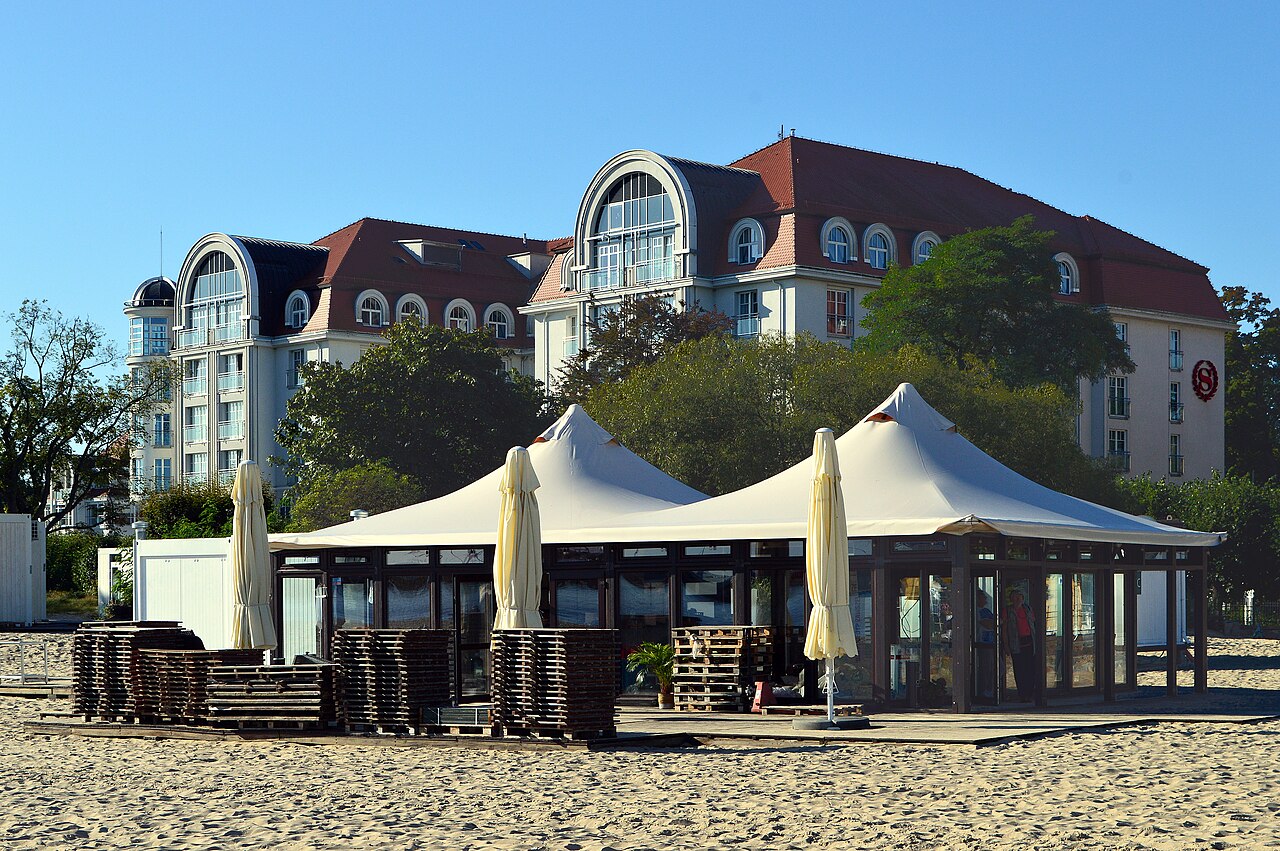
Sopot is the easiest and most popular day trip, reached in around twenty-five minutes by SKM train from Gdańsk Główny. It is a stylish seaside resort with a long sandy beach, a pedestrian main street, Monte Cassino, lined with cafes and shops, and the longest wooden pier in Europe. In summer you can swim, sunbathe and eat ice cream; in the cooler months you can walk the pier, which is free outside the main season, and warm up in a cafe. Look for the Crooked House, a quirky building with a wavy roof, and for the grand hotel by the pier. Allow half a day, or a full day if you want to spend time on the beach.
Gdynia: the modernist port
Gdynia is just beyond Sopot on the same line, about half an hour from Gdańsk. It is a young city, built from the 1920s, with a distinctive modernist character, a waterfront promenade and a museum-ship destroyer, ORP Błyskawica, moored at the South Pier. It is a good choice for naval history, architecture and relaxed cafes, and it combines well with Sopot on the same day: take the train to Gdynia first, then walk or ride back to Sopot in the afternoon.
Oliwa: cathedral, organ and park
Oliwa is a leafy suburb on the same train line, about twenty minutes from the centre. Its cathedral has a Rococo organ with thousands of pipes and hosts organ concerts, and the adjoining park is a peaceful place for a stroll. It is a good morning trip before continuing to Sopot or Gdynia in the afternoon.
Malbork Castle: the great Teutonic fortress
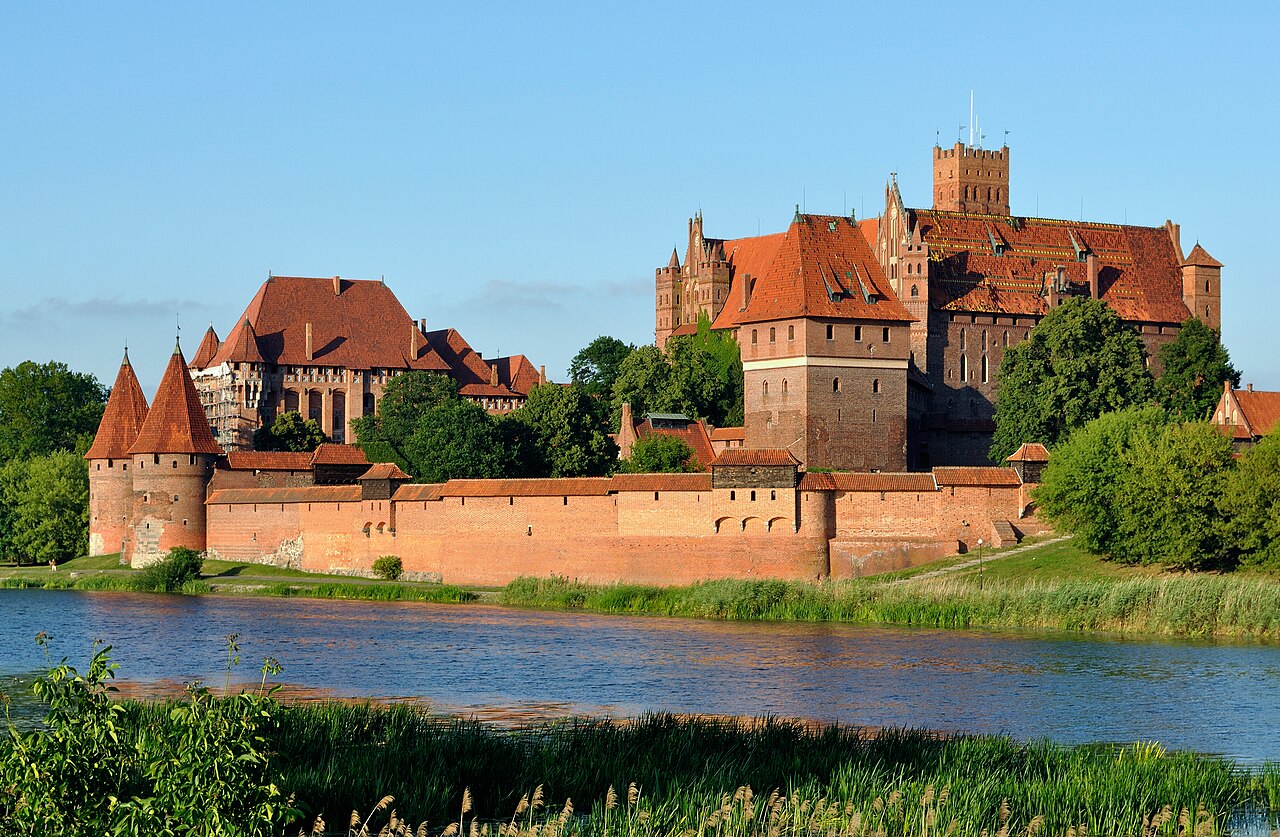
Malbork is the headline excursion from Gdańsk, and one of the largest brick castles in the world. Fast trains from Gdańsk Główny take well under an hour, and the castle is a short walk from the station. Allow most of the day to explore the courtyards, the Gothic halls and the museum collections, and take the audio guide. Start early, because the last entry on the historical route is earlier in the fall and winter season. The castle runs a shorter timetable and has certain closing days in winter, so check the current schedule, and book your tickets ahead in summer. Guided tours with transport from Gdańsk are also available if you prefer not to navigate the trains.
The Hel Peninsula: sand, seals and sea
For a wilder coastal day, head to the Hel Peninsula, a narrow spit reaching far into the Baltic. In summer catamarans run from the Tricity ports to the town of Hel, where you can visit the seal sanctuary, climb a tower, eat smoked fish and cycle along a marked route through the forest. It is a summer and early autumn trip, as boats are less frequent and many businesses close in winter. Allow a full day.
Stutthof: a place of remembrance
About 35 kilometres east of Gdańsk, the memorial and museum at the former Stutthof concentration camp is a sober and important visit for those interested in the Second World War. It is not easy to reach without a car, so many visitors join a guided tour with transport. Allow half a day, dress for the weather and treat the site with respect. It is not suitable for young children.
How to combine them
The coast works as a single day: Oliwa in the morning, Sopot in the afternoon, and Gdynia for sunset and dinner, all on one train line. Malbork should have its own day, and Hel is best on a clear summer day with an early start. If you have limited time, choose Sopot and Malbork, which together give you the sea and the castle. Westerplatte, where the Second World War began, lies within the city rather than outside it, and fits neatly on the day you visit the Museum of the Second World War.
Practical tips
The SKM train runs frequently, and you can usually pay by contactless card or at the machines. Check the timetable for the last train back, especially in the evening. Buy tickets for Malbork in advance in summer, and check opening times for every destination, since many close on a Monday or Tuesday. In winter, plan shorter days and put indoor stops first. Wherever you go, you are back in the Main Town in time for dinner.