Three days is the ideal length for a first visit to Gdańsk. It is long enough to see the Main Town without rushing, to take in the two great twentieth-century stories that define the city, and to spend a full day on the coast or at a castle. The plan below is built around the closing days that catch visitors out, and it keeps the heavy museums apart so that no day feels like a marathon. Swap the days around to suit your own dates, and read the seasonal notes at the end if you are travelling in winter.
Day one: the Main Town and the river
Start early on the Royal Route, walking west to east from the old gates along Long Street to the Long Market, so that you finish at the Green Gate and the Motława riverside. The streets are at their best in the morning, when the gabled facades catch the light and the crowds have not yet arrived. Step inside the Main Town Hall for the Red Room, or visit the Uphagen House if you prefer a merchant home. Then walk to St Mary's Basilica, the enormous brick church one street north, and, from May to October, climb the tower for the view. After lunch on a side street, walk along the quay to the Gdańsk Crane and the water gates, and spend the late afternoon on Mariacka Street, the amber street behind the basilica. End the day with a boat cruise on the Motława or a guided tasting tour, and come back after dark to see the facades lit up.
Day two: the twentieth century
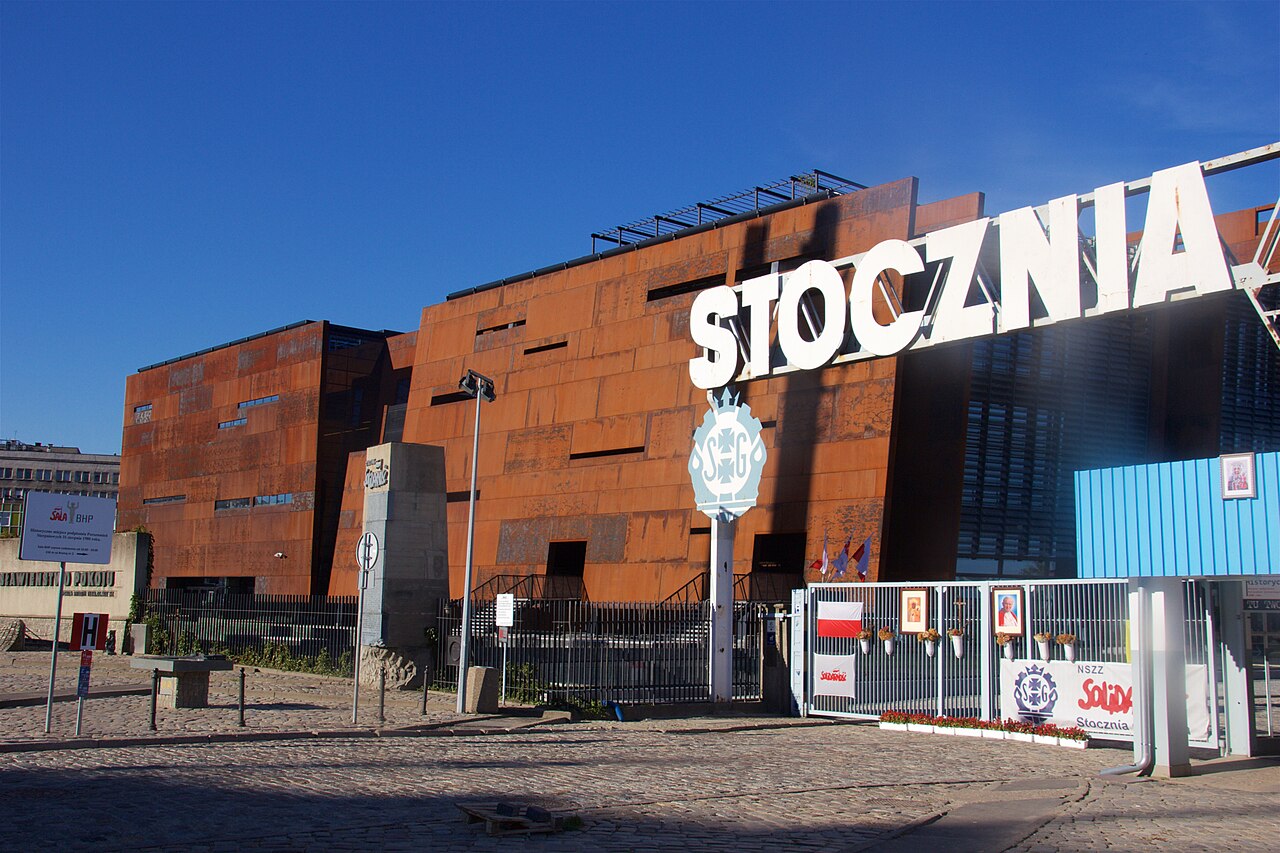
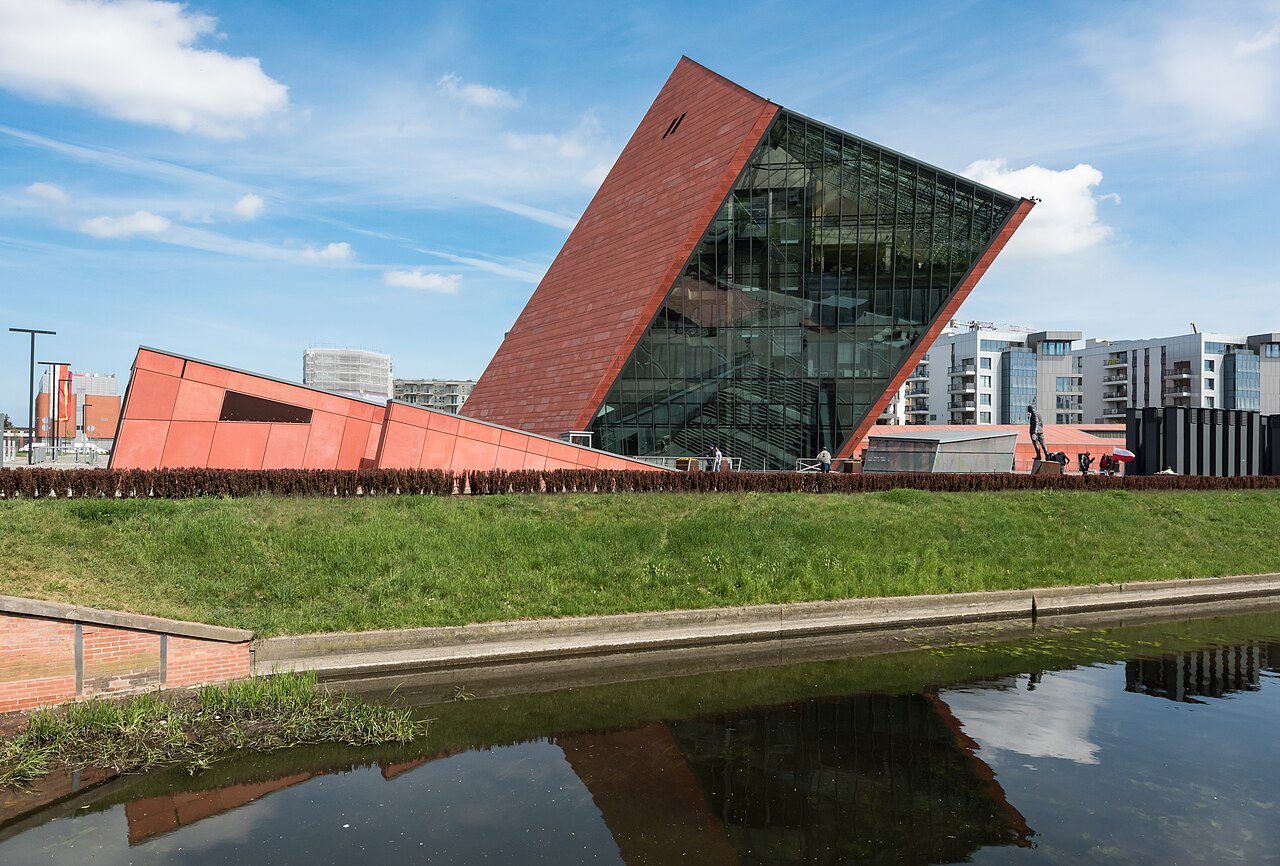
Gdańsk is the city where the Second World War began and where communism started to fall, and it is worth giving a day to both stories. Begin with the Museum of the Second World War, which is large and deeply moving; allow three to four hours, and arrive when it opens. Then walk or take a tram to the European Solidarity Centre, beside the historic shipyard gate, for the story of the 1980 strikes and the movement that followed. The guided tour is the best way to follow the story. If you have energy and time left, the Museum of the Polish Post Office is a short and powerful stop on the way. Outside, the monument to the shipyard workers killed in 1970 and the historic gate are free to see. Check the weekly closing days: the Second World War museum is closed on Mondays and the Solidarity Centre on Tuesdays in the low season, so this day works best on a Wednesday to Sunday, or you can split it with a Monday at the Solidarity Centre and a Tuesday elsewhere.
If you would rather see Westerplatte, where the first shots of the war were fired, do it after the Second World War museum so that the site makes sense. It is several kilometres from the centre, so take a bus or a taxi in winter, or a boat in summer. Allow two to three hours including travel, and wear warm clothes, because the peninsula is exposed to the wind.
Day three: choose your adventure
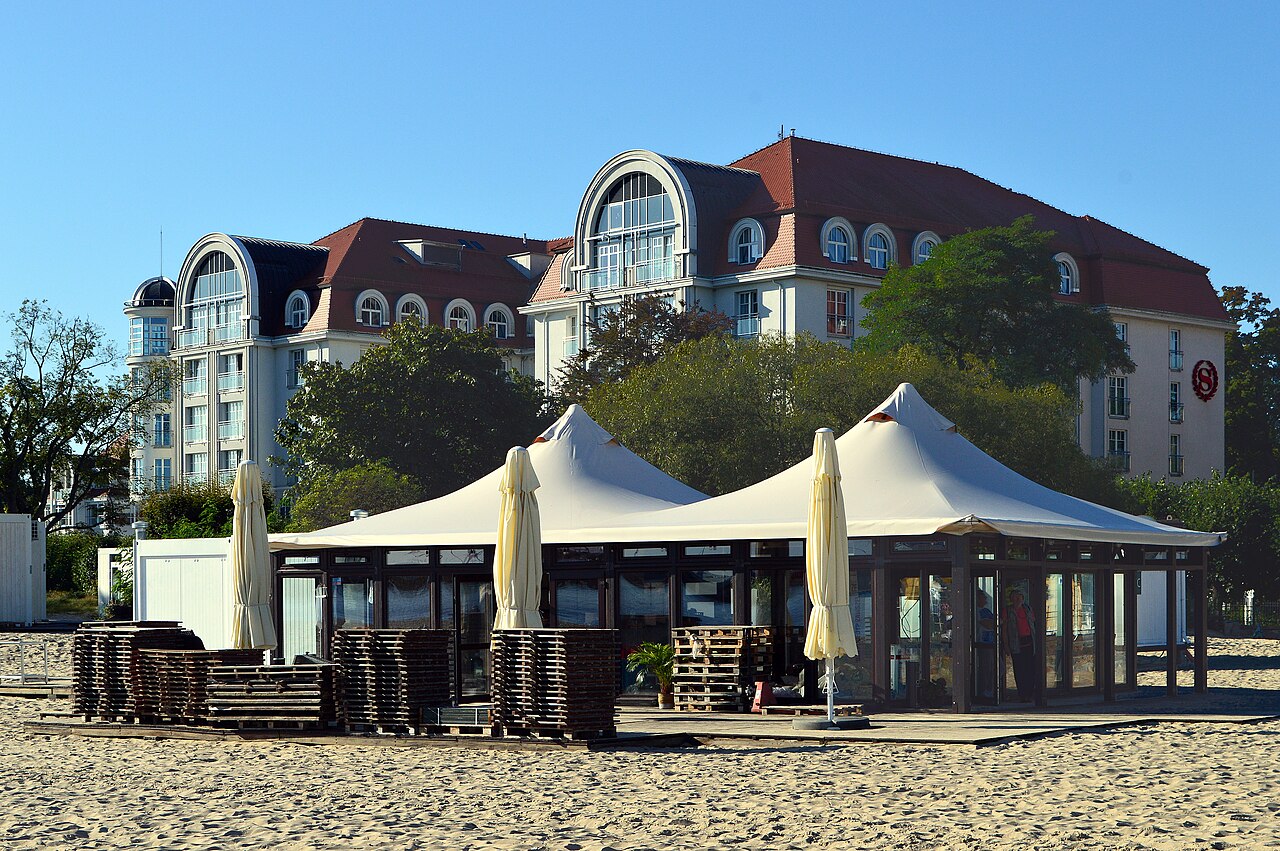
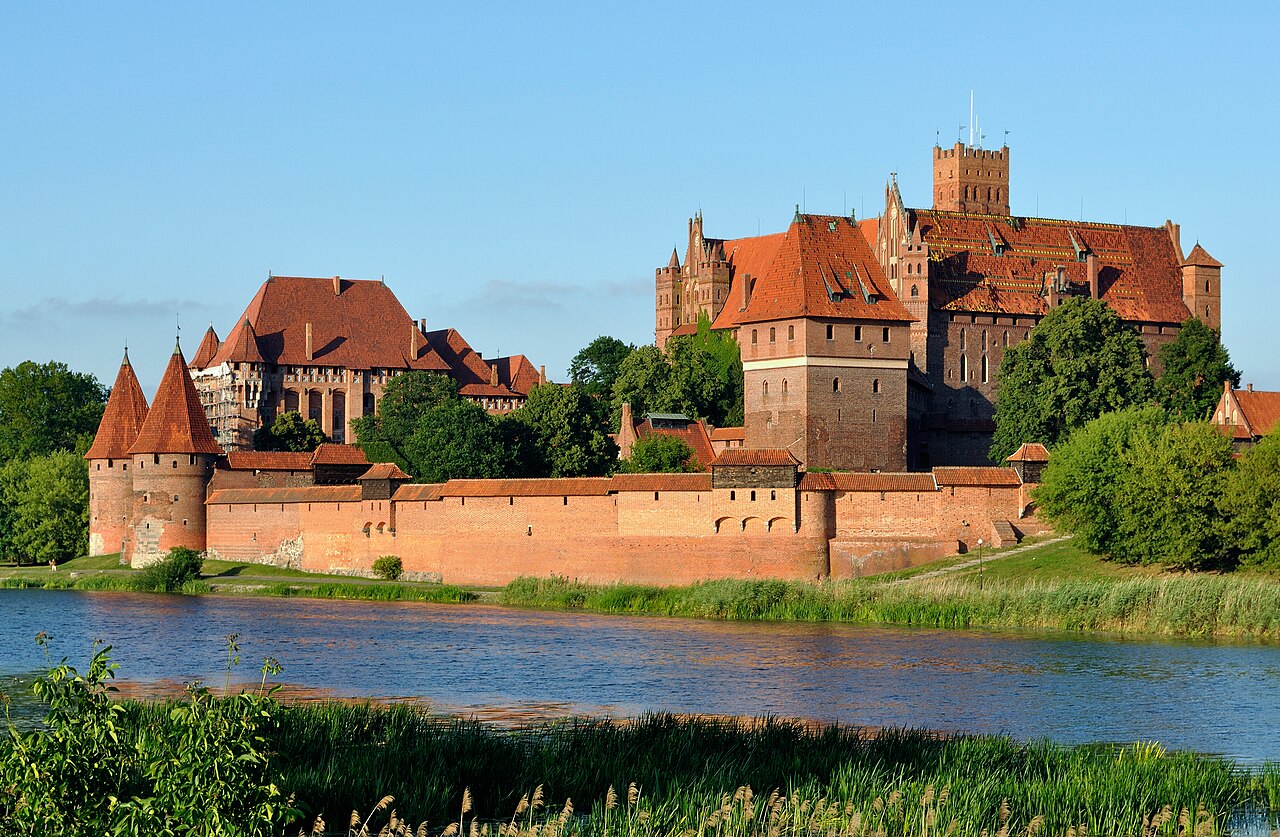
For the coast, take the SKM commuter train from Gdańsk Główny to Oliwa, to see the cathedral with its famous Rococo organ and the park, then continue to Sopot for the long wooden pier, the beach and the seaside promenade, and, if you still have time, on to Gdynia for the modernist waterfront and the museum destroyer ORP Błyskawica. This is a relaxed day with no booking required, and it suits families and couples. For a castle, go to Malbork instead: fast trains take under an hour, and the vast Teutonic fortress deserves most of a day. Start early, because the last entry in the fall and winter season is early in the afternoon, and take the audio guide to follow the route.
Where to eat along the way
Plan a cheap, hearty lunch in a milk bar or a cafe on a side street, and save the main meal for the evening. Try żurek, the sour rye soup, pierogi, fresh and smoked fish and a glass of Goldwasser, the herbal liqueur with flecks of gold. Our guide to eating and drinking has more detail.
Practical tips
Wear comfortable shoes, as the Main Town is cobbled. Buy tickets for the most popular sights ahead of time, especially at weekends. Contactless cards work almost everywhere, and tram and train ticket machines accept them too. Keep Sunday afternoons light, as some places close early or have reduced hours.
Seasonal notes
In winter the days are short, so start early and plan indoor activities for the afternoon; the museums are quiet and the Main Town has a Christmas market in the run-up to the holidays. The tower at St Mary's is closed outside the summer season, and some coastal and boat attractions run reduced timetables. In summer, book the busiest sights ahead, keep a hat and sunscreen handy and use the evenings, which are long and golden on the river.
With a fourth day
Add the second excursion from day three, a visit to Oliwa's park and zoo with children, or a slower morning in the cafes before a late departure. Gdańsk rewards a slow pace, and the best moments are often unplanned: a courtyard concert, a view from a bridge, a conversation in a pub.