Genoa rewards visitors who give it more than a few hours. It is a steep, layered port city where grand palaces hide behind shabby doors, where narrow lanes open onto bright squares and where the sea is never far away. Three days is a comfortable length: enough to see the main sights at an unhurried pace, eat well and still take a trip along the coast. This plan keeps walking distances sensible and puts the big ticketed sights on days when they work best.
Day one: the old town and the palaces
Start in the morning on Piazza De Ferrari, the city's main square, with its large bronze fountain and the opera house. Step across to Palazzo Ducale and look into the courtyard, then walk down to the cathedral of San Lorenzo, with its black and white striped facade and stone lions. From there, the caruggi, the narrow lanes of the medieval centre, lead toward the harbour. Take your time and stop for a slice of focaccia at a bakery. After lunch, walk up to Via Garibaldi and the Strade Nuove, the UNESCO palace quarter. Choose one or two museums, such as Palazzo Rosso or Palazzo Bianco, and finish with a view from the Castelletto terrace, reached by the Art Nouveau lift from Piazza Portello. If you want a guide for the labyrinth of lanes, a walking tour on this first morning is money well spent.
Day two: the harbour and the sea
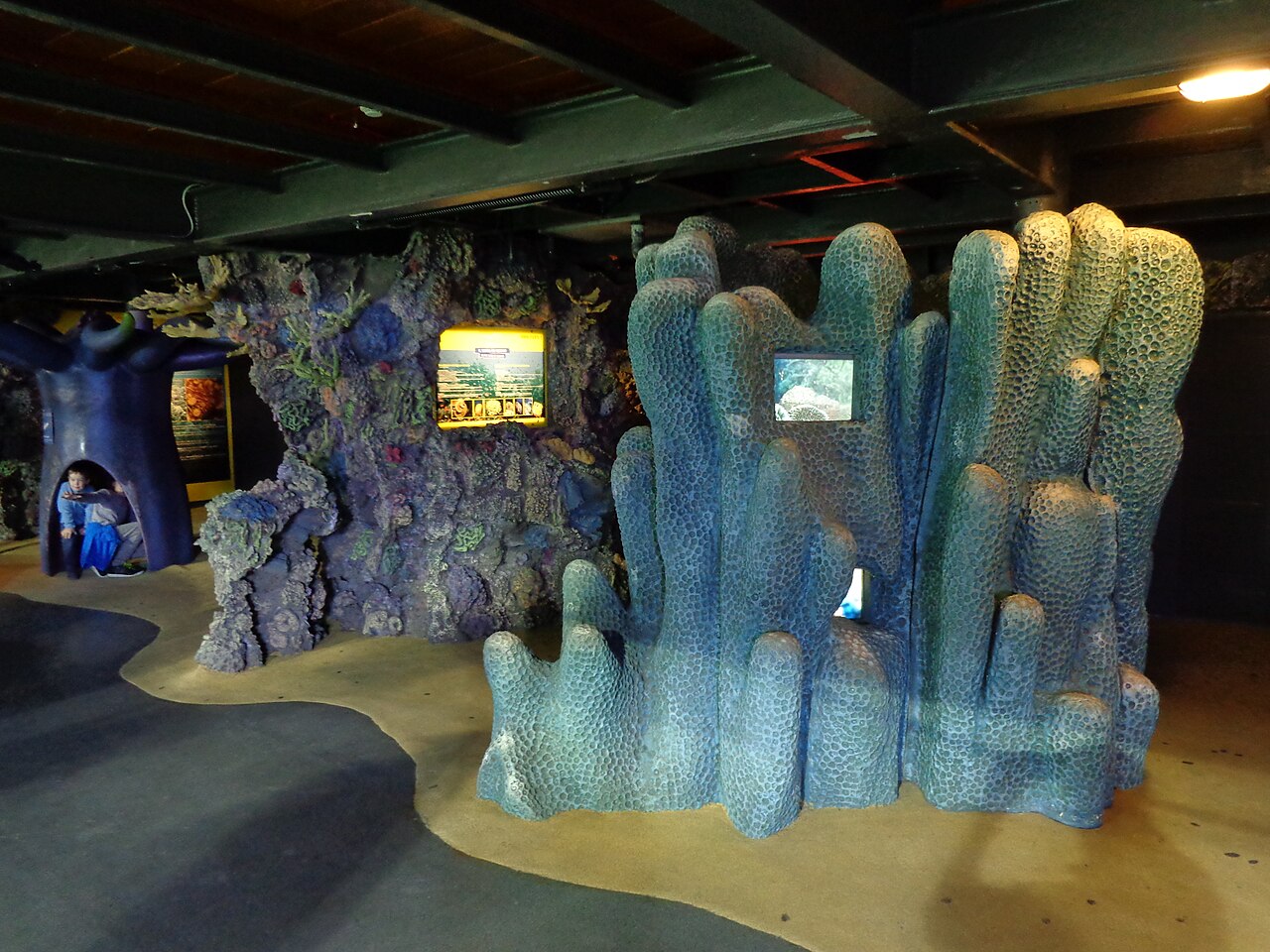
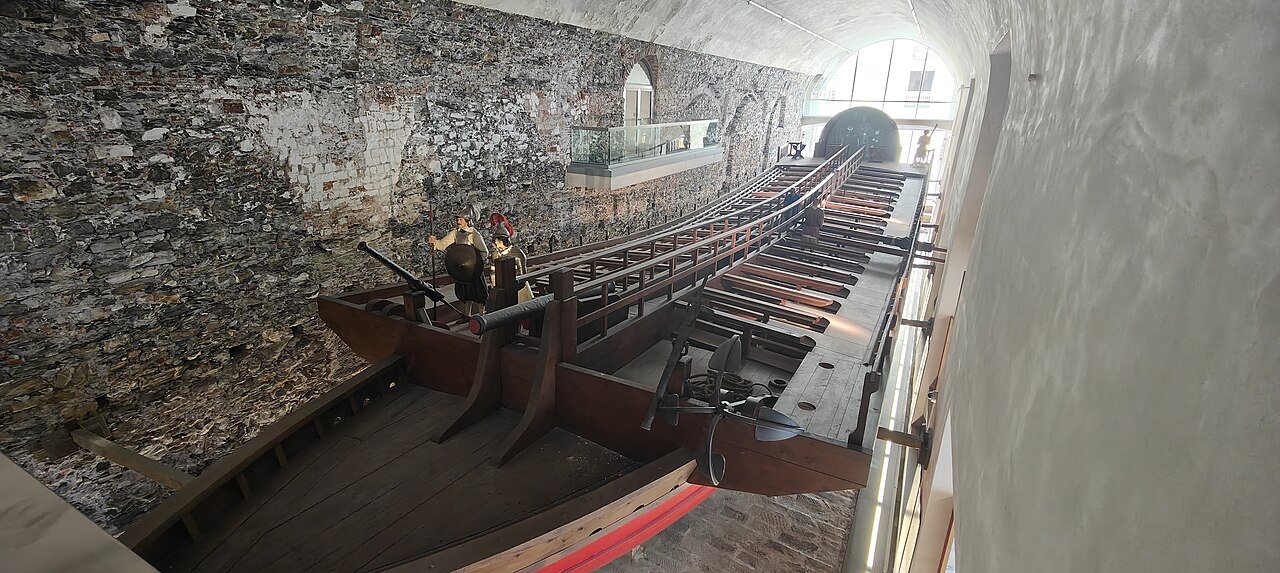
Spend the morning at the Porto Antico. The Aquarium of Genoa is the main event and needs two to three hours, so book a timed ticket in advance if you travel in a busy season. Next door, the Galata maritime museum tells the story of the republic, with a full-size galley and a submarine you can enter. Break for lunch on the quay, then take the harbour boat tour for an hour of port views, passing the Lanterna and the cruise terminals. If you have energy left, ride the Bigo panoramic lift when it is running, or walk west to the Lanterna lighthouse for a closer look at the city symbol. In the evening, have an aperitivo on the Porto Antico and walk the lit quays.
Day three: the Riviera
Genoa is the perfect gateway for the Ligurian coast, and a day trip is the best way to balance the city. The classic choice is Portofino: take the train from Brignole or Principe to Santa Margherita Ligure, then a ferry or bus to the harbour village. Climb to Castello Brown and the lighthouse, walk a little of the coast path and have lunch in Santa Margherita, where prices are friendlier. If you prefer a quieter outing, Camogli is only thirty minutes by train and offers painted houses, a pebble beach and excellent focaccia. For adventurous travellers, a boat to San Fruttuoso adds a medieval abbey and a swim. Return to Genoa for dinner and a last stroll.
What to book ahead
In spring, autumn and school holidays, book the aquarium and any guided tours a few days ahead. Food classes and wine tastings often have limited spaces. Everything else on this itinerary can be arranged on the day, though a table at a popular trattoria on a weekend evening is wise to reserve. If you plan to see more than three museums, compare single tickets against a city pass, which may also include public transport.
Pacing and weather
Genoa is hilly, so use lifts, funiculars and buses when the slopes become tiring. In summer, schedule the old town for the morning and early evening and keep the middle of the day for museums, lunch and rest. In winter and on rainy days, swap the order: the aquarium, Galata museum and palaces work well indoors, while the coast trip is best on a clear day. The Riviera ferries run less often outside the warmer months, so check timetables before relying on them.
If you have only two days
Combine days one and two, keeping the old town and Via Garibaldi in the morning and the Porto Antico in the afternoon, then use the second day for Portofino or Camogli. If you have four or more days, add the Staglieno cemetery, Boccadasse and a food or pesto class, or take a second coastal day with Rapallo, Santa Margherita and San Fruttuoso. The Cinque Terre and Pisa have their own coverage on Twickly if you want to extend the trip, but they are better treated as separate trips than rushed side journeys.
Where to stay
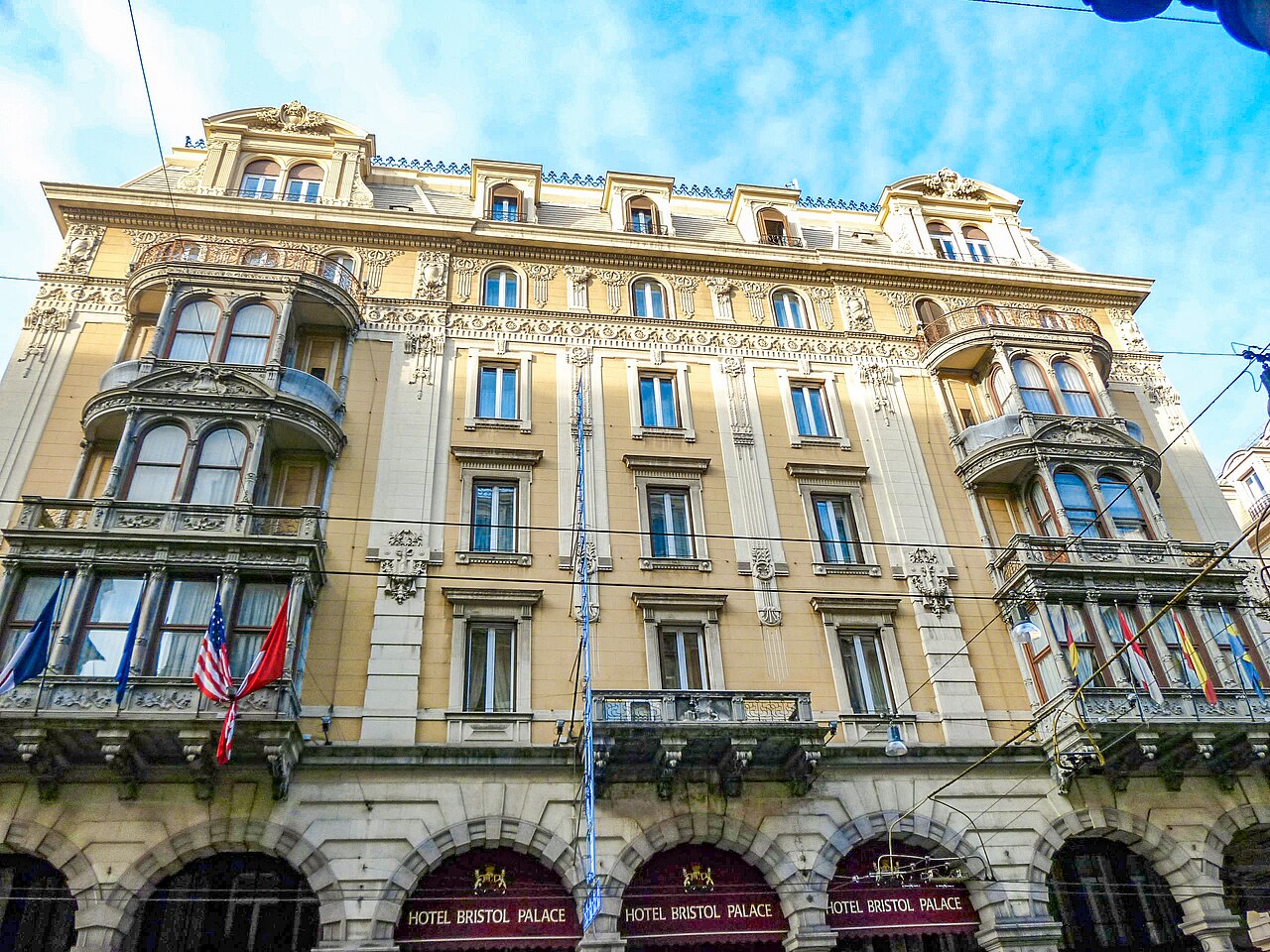
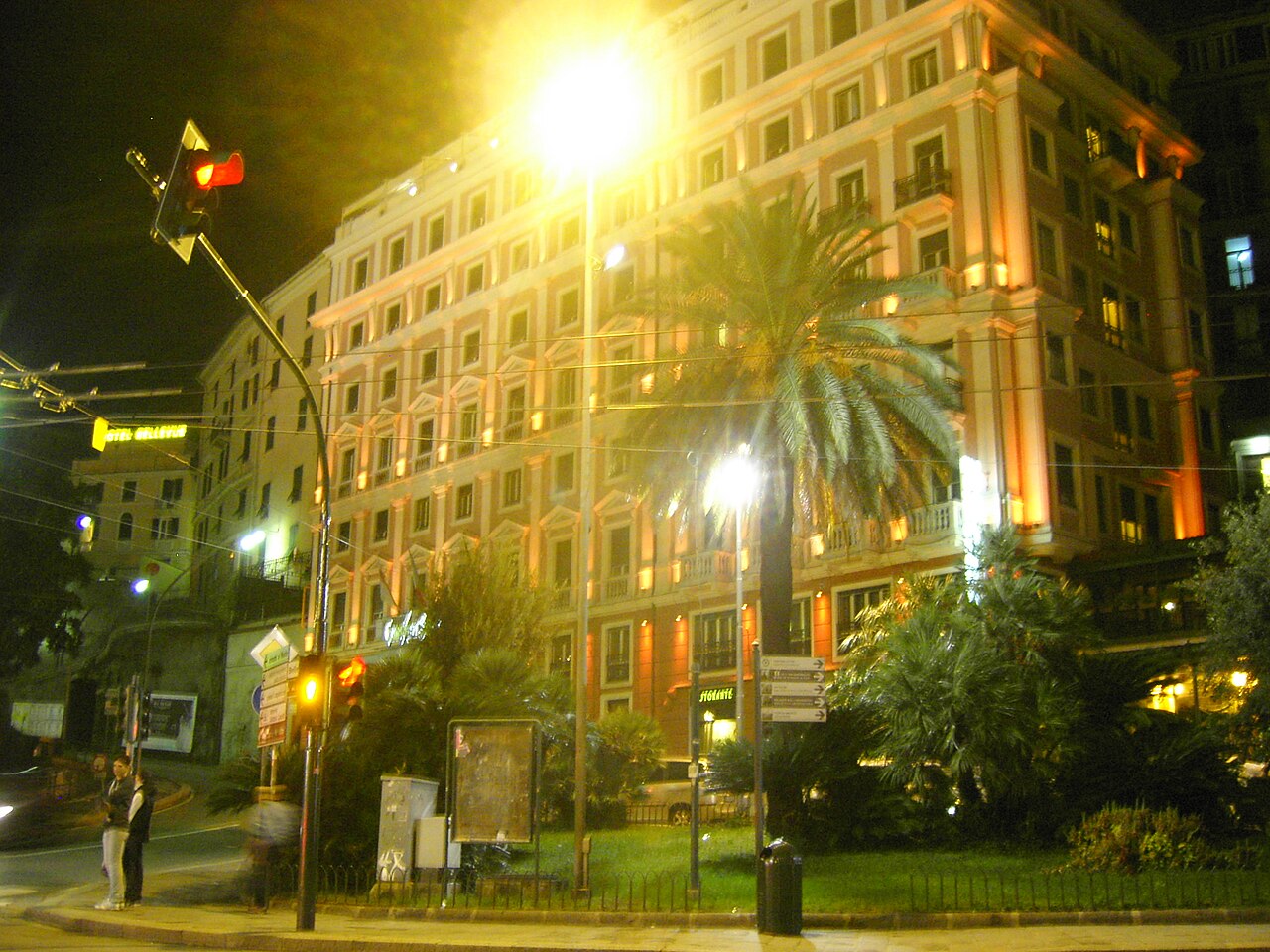
For a first visit, a hotel near Via Garibaldi, Via XX Settembre or Principe station keeps most sights within walking distance and gives easy access to trains for the coast. If you prefer a quieter base by the sea, Santa Margherita Ligure and Rapallo are only forty minutes away by train. Whichever you choose, book early for spring and autumn weekends, when fairs and events fill the central hotels.
Final tip
Genoa does not hand itself over quickly. Leave some time without a plan: sit in a small square, follow a lane that looks interesting and eat what the locals are eating. The best moments often come from wrong turns.