Choosing where to stay in Genoa matters more than in many Italian cities, because the city is long, hilly and made of distinct districts. A hotel in the right place can save you an hour of walking each day, while the wrong one can turn the steep streets into a chore. This guide breaks down the main areas and who they suit, and then looks at the coast for those who want a very different kind of stay.
The historic centre and Strade Nuove
For first-time visitors who want to walk everywhere, the area around Via Garibaldi, Via Cairoli, Piazza Fontane Marose and Piazza De Ferrari is the best choice. The Rolli palaces, Palazzo Ducale, the cathedral and the old town lanes are within ten minutes on foot, and the Porto Antico is a short stroll downhill. The atmosphere is lively, with shops, bars and trattorias, but also a little noisy at night, especially on weekends. Rooms in historic buildings tend to be compact, and streets are partly pedestrian, so pack light. Hotels such as the Metropoli on Piazza Fontane Marose and the Cairoli on Via Cairoli suit this approach.
Via XX Settembre and Brignole
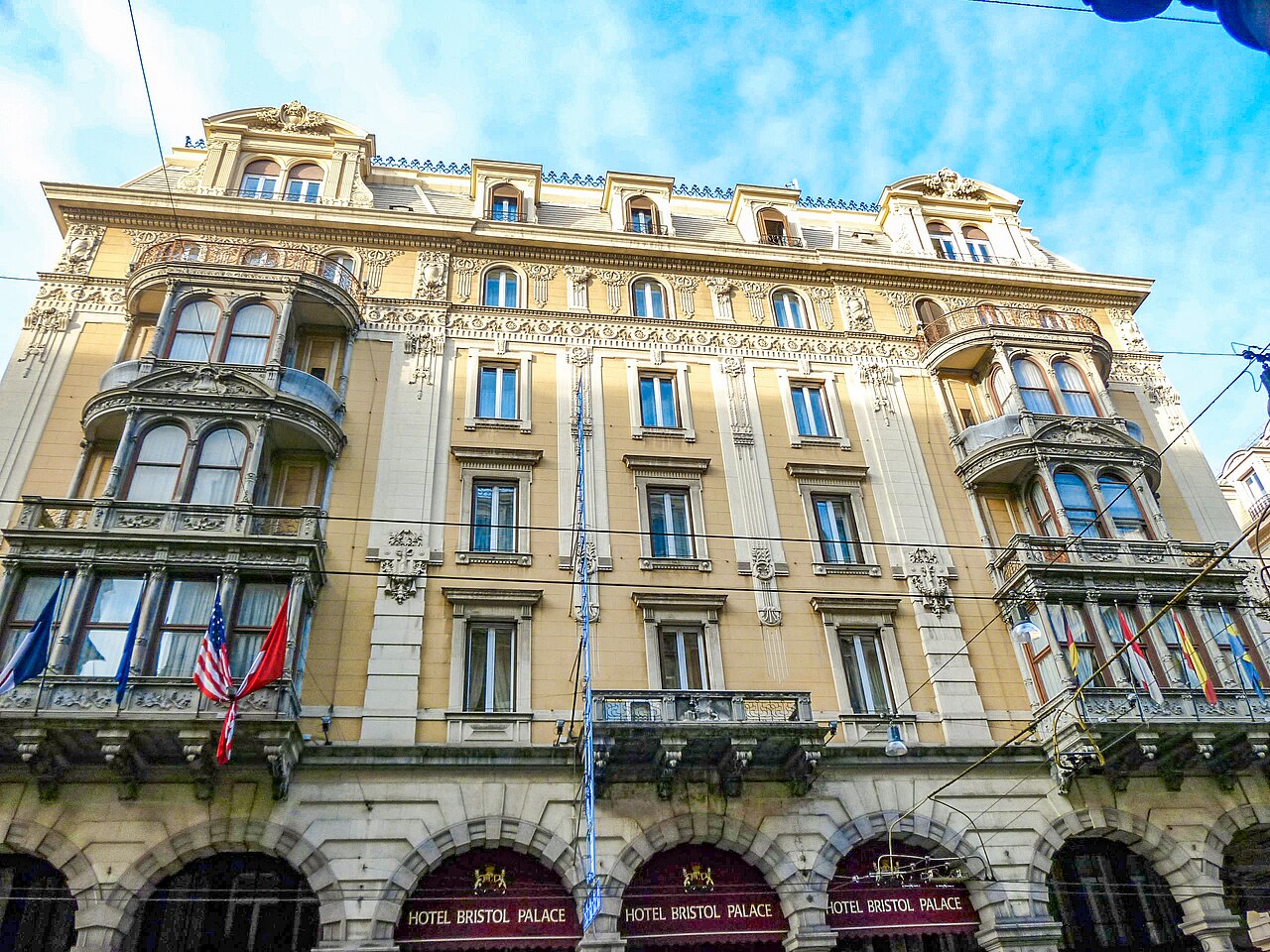
East of the old centre, Via XX Settembre is the elegant arcaded shopping street that links Brignole station with Piazza De Ferrari. Staying here puts you in a district of belle epoque buildings, department stores and a famous covered market, the Mercato Orientale. It is a good all-round base: sights are a fifteen minute walk away, trains to the Riviera leave from Brignole and the sea front is close. The Bristol Palace Hotel offers a grand traditional option, while the Moderno Verdi on Piazza Verdi and the Melia in the Foce area provide solid mid-range choices.
Principe and Via Balbi
In the west, around Principe station, the Via Balbi palaces and the university district, you will find large hotels such as the Grand Hotel Savoia and the Hotel Continental. The advantage is transport: Principe has trains to Milan, Turin, Pisa and Rome as well as local services along the coast, and the cruise terminals are close. The area is busy and cosmopolitan, and feels more rough-edged than the old town, so take normal precautions at night. It is a very practical base for a short stay, a cruise connection or a trip built around trains.
Porto Antico and the waterfront
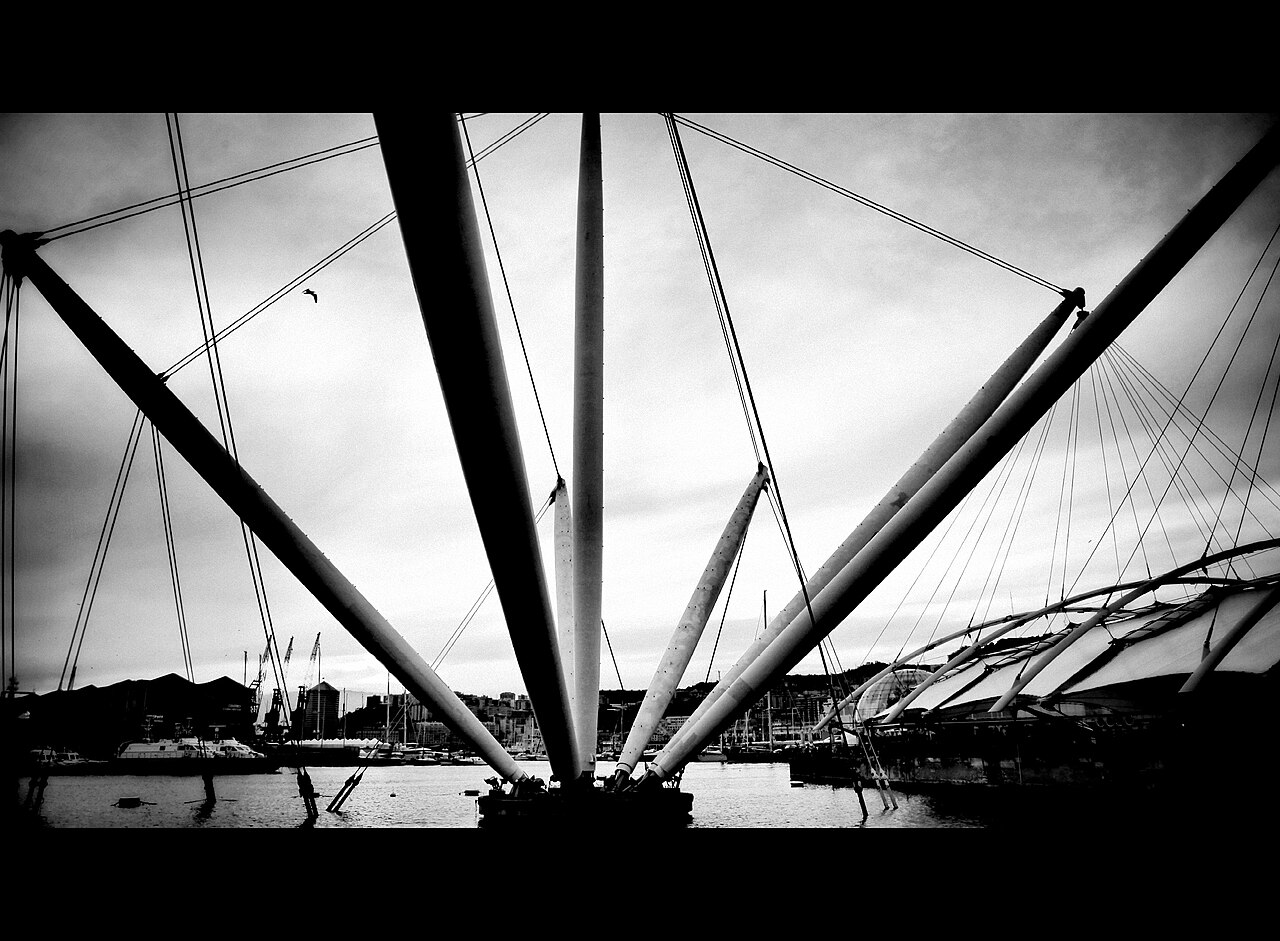
A few hotels and apartments sit near the aquarium and the harbour. Staying here puts you in the middle of the tourist waterfront, with restaurants and a pleasant evening promenade. It is less convenient for the Strade Nuove, and prices can be higher, but it suits families who plan to spend a lot of time at the aquarium and museums.
Boccadasse and the eastern seafront
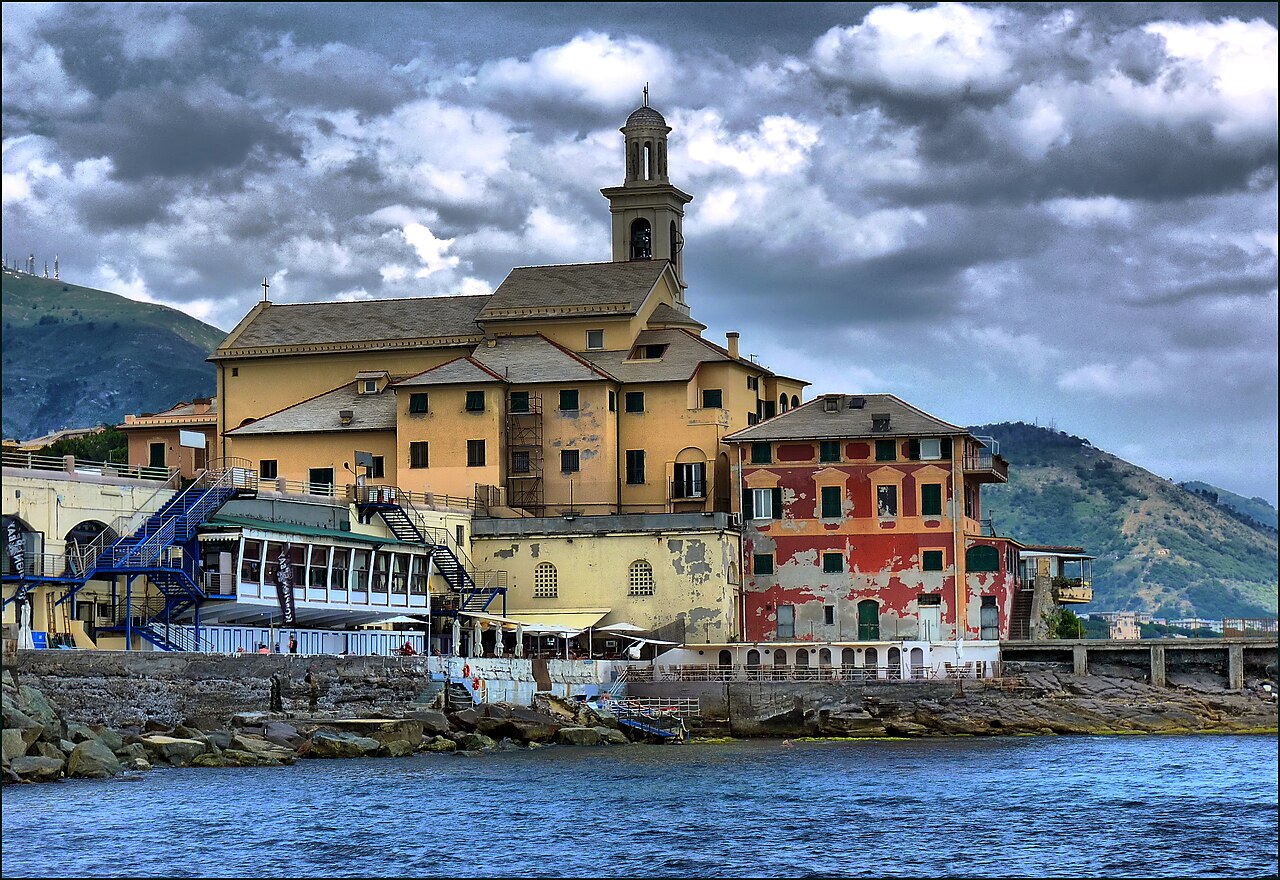
For travellers who want a quieter, more residential side of the city, the eastern seafront and Boccadasse offer sea views, fresh air and a village atmosphere. The compromise is distance from the old town, which means buses or taxis. This is best for repeat visitors or those who plan to spend time walking along the coast.
The Riviera alternative
Many travellers split their stay, spending a couple of nights in Genoa and the rest on the coast. Santa Margherita Ligure, with grand hotels such as the Imperiale Palace, offers sea views, promenades and the ferry to Portofino, only forty minutes from Genoa by train. Rapallo has a castle, a cable car and hillside hotels such as the Excelsior Palace. Portofino itself has very few rooms, among them the Splendido Mare on the harbour, and prices are high, but a night there lets you see the village after the day-trippers leave.
How to choose
If you want sightseeing on foot, pick the historic centre or Via XX Settembre. If you rely on trains or cruise connections, choose Principe or Brignole. If you want a resort feel, choose the Riviera. Check lift access, air conditioning and noise levels before you book, especially in summer. Rates rise during trade fairs, boat shows and major holidays, so book early for those periods.
Practical tips
Taxis in the old town may drop you at the edge of the pedestrian zone. Ask the hotel for the best arrival point and whether they can send help with luggage. City tax is charged per person per night in Italy, and is usually paid at the hotel. Parking in central Genoa is limited and expensive, so if you drive, choose a hotel with a garage or leave the car outside the centre. Finally, remember that Genoa has many steep streets, so wear comfortable shoes and use the lifts and buses to save energy.