Three days is the ideal length for Ghent. It is long enough to see the big sights without rushing, to taste the food and beer properly and to wander without a plan, yet short enough that you will still want to come back. The old centre is compact and mostly pedestrian, so every day can be done on foot, with a tram for the museums in the south. This itinerary gives each day a theme, leaves slack for coffee and mistakes and works in any season.
Day one: the medieval heart
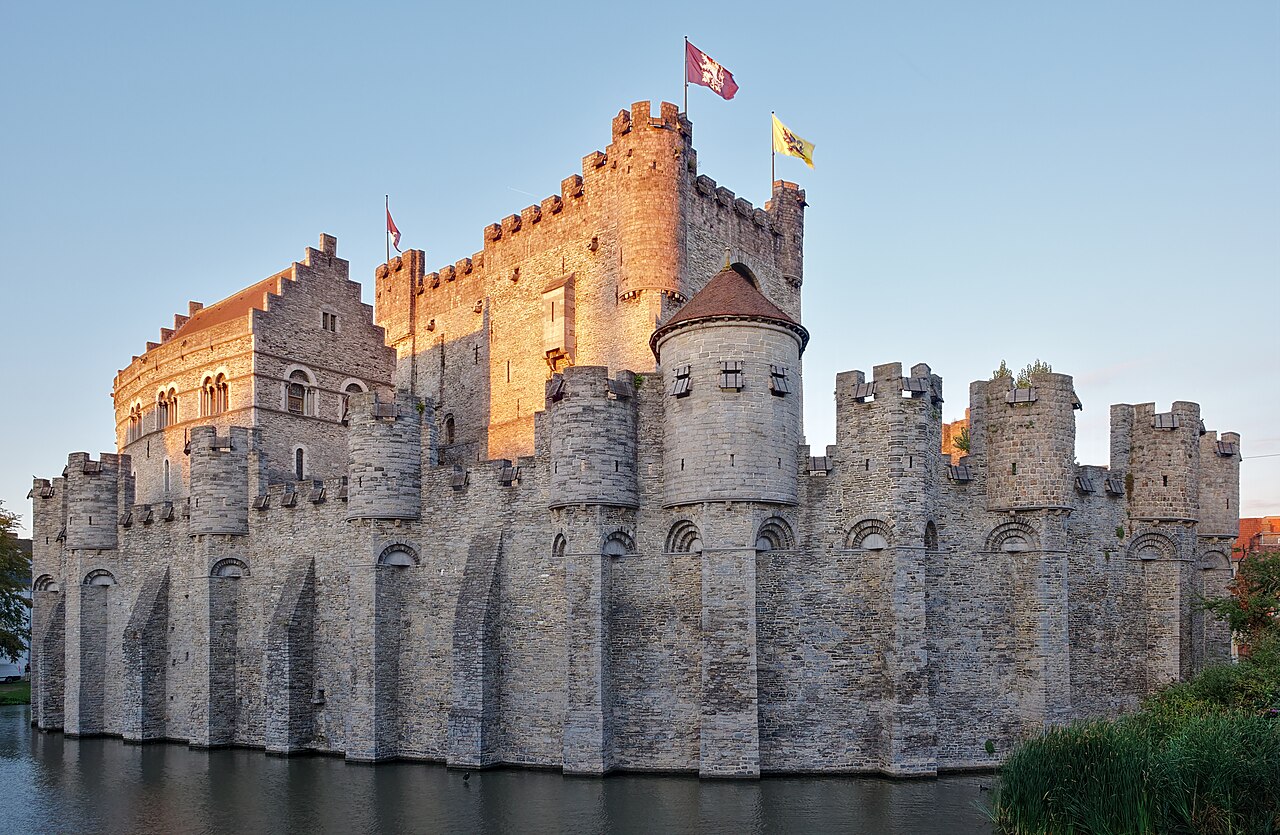
Start with an orientation walk. A guided Legends of Ghent walk is a lively way to learn the stories, or you can follow the free Van Eyck walk on your own. Then stand on the Graslei and Korenlei, the two quays lined with guild houses, and take the canal boat tour for the view from the water. After lunch, spend two hours at Gravensteen, climbing the keep and walking the battlements. End the day in Patershol, the lanes behind the castle, where small restaurants fill the old houses. If you have energy left, an evening walk through the lit centre is hard to beat.
Day two: towers, churches and art
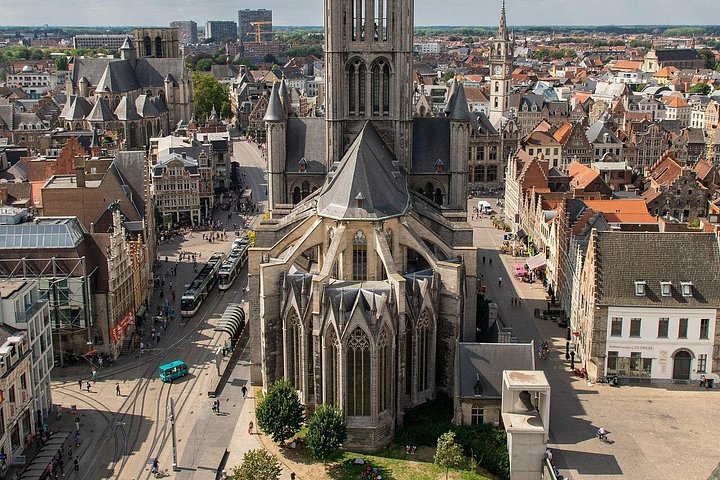
Begin at the Belfry, riding the lift to the gallery for the view of the three towers, then cross to St Bavo's Cathedral and its visitor centre, home of the Ghent Altarpiece. Check which panels are on view before you go, since the painting is being restored in phases, and see the restoration studio at MSK if it is open. Pop into St Nicholas' Church on the Korenmarkt, which is free, and take lunch nearby. In the afternoon, choose between STAM, the city museum, and Huis van Alijn, the museum of everyday life on the Kraanlei. Both are good wet-weather options.
Day three: the other Ghent
Spend the morning exploring the neighbourhoods beyond the postcard centre. A guided bicycle tour is the best way to see the beguinages, the canals and the student districts in one go, or you can walk to the Small Beguinage on your own and then wander through Graffiti Alley, a free gallery of changing spray-can art. Take lunch in the Vrijdagmarkt area. In the afternoon, go to the Citadel Park for MSK and S.M.A.K., one for the Flemish masters and one for contemporary art. Both close on Mondays, so schedule day three around that.
Evenings
Ghent is a city for evenings. Book a beer tasting tour for one night and a table in Patershol for another, and keep the third for a long, unplanned wander. If you like atmosphere, the Dark Side of Ghent evening walk is a good choice for a cold night, and a waffles and beer workshop is a fun alternative when it rains.
Practical tips
Gravensteen and the Belfry are open daily apart from a few days around Christmas and New Year, but MSK and S.M.A.K. close on Mondays, so check the day of the week before planning. Book food and beer tours a few days ahead for weekends, and make dinner reservations for Friday and Saturday. The old centre is a low emission zone, so travel by train and tram rather than car. Ghent-Sint-Pieters is the main station, and a tram or taxi is the easiest way to reach the centre with luggage.
Where to stay
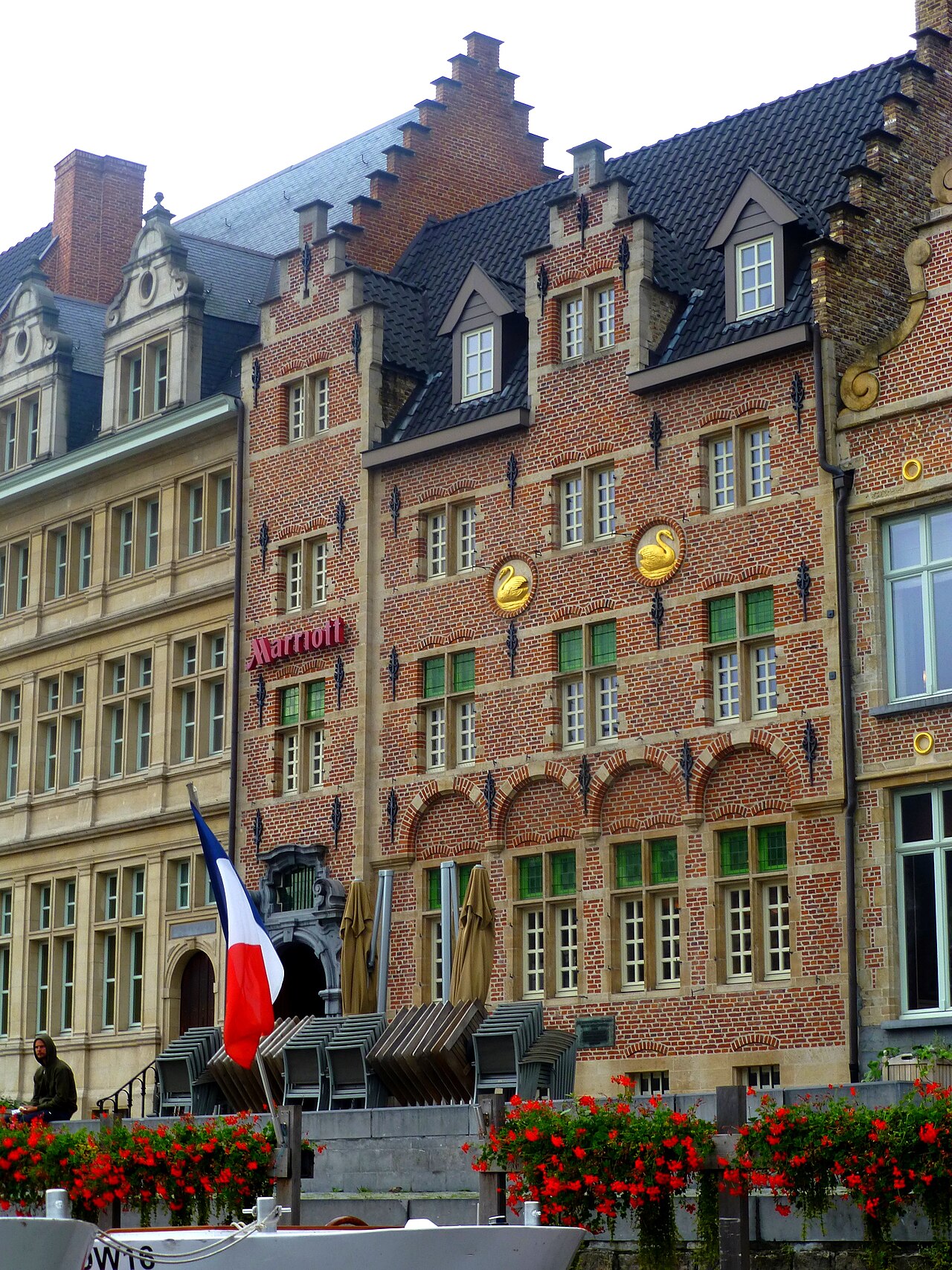
For a three day trip, stay in the old centre so that you can walk everywhere. Novotel Gent Centrum and NH Collection Gent are a minute or two from the town hall, Hotel Harmony and Hotel Gravensteen sit beside the castle, and the Ghent Marriott faces the guild houses across the water. Pillows Grand Boutique Hotel Reylof is the splurge, and Erasmus Hotel and ibis Gent Centrum Opera are the budget options.
If you have more time
Add a day trip to Bruges or Brussels, both under an hour by train, or simply slow down. Ghent rewards a second look at the quays in different light, a second beer in a quiet bar and a morning with no plan. Most visitors who stay three days say the same thing: they wish they had booked a fourth, and a few extra hours on the quays are never wasted.